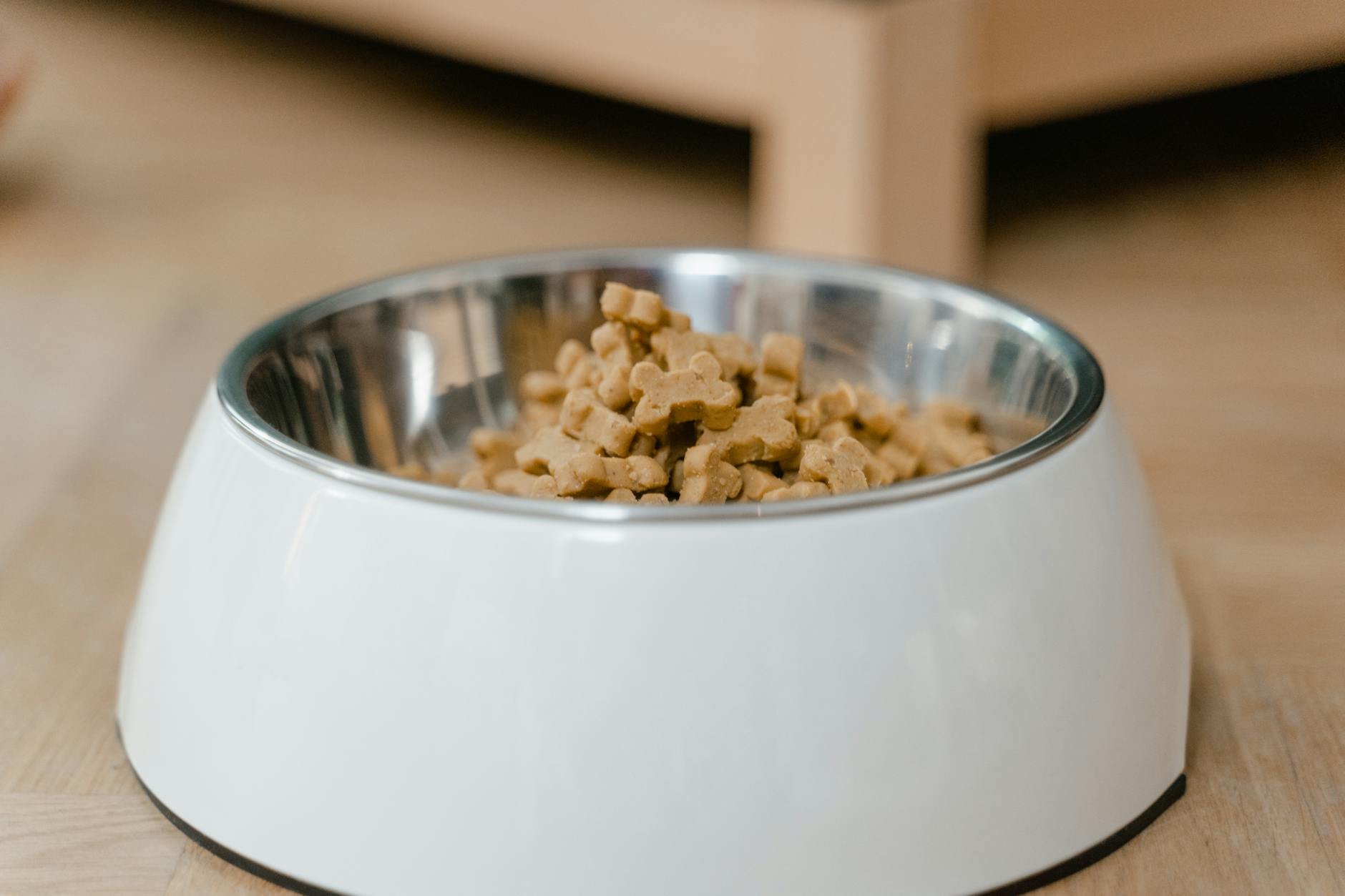
The Mid America Pet Food $5.5 million Salmonella recall settlement offered compensation to U.S. consumers who purchased affected dog and cat food products between October 31, 2022 and February 29, 2024. If you bought brands like Victor Super Premium, Wayne Feeds, Eagle Mountain, or Member’s Mark pet food during that window, you were likely part of the settlement class in *Filardi v. Mid-America Pet Food, LLC*, Case No. 23-cv-11170-NSR, filed in the U.S.
District Court for the Southern District of New York. Compensation ranged from $20 per bag for undocumented purchases up to $100,000 for fully documented pet injury claims. However, the claim filing deadline was February 5, 2026, and the final approval hearing took place on February 6, 2026. That means the window to submit a claim has closed. Even though the deadline has passed, understanding the structure of this settlement is useful for anyone tracking similar pet food safety cases going forward.
Table of Contents
- Who Qualified for the Mid America Pet Food Salmonella Recall Settlement?
- What Triggered the Recall and Why Salmonella Contamination Was So Serious
- Inside the FDA Investigation at the Mid America Pet Food Facility
- How the Settlement Compensation Tiers Worked
- Why the Claim Deadline Matters and What Happens Next
- Lessons for Pet Owners from the Mid America Pet Food Case
- The Broader Trend in Pet Food Safety Litigation
- Frequently Asked Questions
Who Qualified for the Mid America Pet Food Salmonella Recall Settlement?
The settlement class included all U.S. consumers who purchased at least one affected Mid America Pet Food product listed in Exhibit D of the settlement agreement during the period from October 31, 2022 to February 29, 2024. The affected brands were Victor Super Premium Dog and Cat Food, Wayne Feeds Dog and Cat Food, Eagle Mountain Pet Food, and Member’s Mark Pet Foods.
You did not need to prove your pet got sick to qualify — simply buying the recalled product during the covered period was enough to file a claim for a purchase reimbursement. For example, if you bought two bags of Victor Super Premium Dog Food Classic Hi-Pro Plus from a local retailer in March 2023 but never experienced any health issues with your dog, you still qualified for up to $40 in undocumented purchase reimbursement ($20 per bag, capped at two bags). On the other hand, if your pet became ill or died after consuming one of the recalled products, you could have filed for significantly higher compensation under the injury tiers. The distinction between purchase-only claims and injury claims was one of the most important details in this settlement.

What Triggered the Recall and Why Salmonella Contamination Was So Serious
Mid America Pet Food initiated a voluntary class I recall — the most serious type — starting September 3, 2023. The recall expanded on October 30, 2023 and again on November 9, 2023, covering all dog and cat food products with best-by dates before October 31, 2024, due to potential Salmonella contamination. A Class I recall means there is a reasonable probability that consuming the product will cause serious adverse health consequences or death, which is not language the FDA uses lightly. The recall followed a multi-state outbreak of Salmonella Kiambu that infected seven people across seven states between January 14, 2023 and August 19, 2023. One person was hospitalized.
What made this outbreak particularly alarming was that six of the seven infected individuals were infants under one year old. Whole genome sequencing linked the illnesses to Victor Super Premium Dog Food Classic Hi-Pro Plus. Infants are especially vulnerable to Salmonella exposure because they can contract it by touching contaminated pet food or surfaces where the food was handled, then putting their hands in their mouths. However, the risk was not limited to households with young children. Salmonella can cause illness in anyone who handles contaminated pet food, and pets themselves can become carriers even without showing symptoms. If your pet ate recalled food and seemed fine, that did not necessarily mean the product was safe — it meant your pet may have been fortunate or may have shed bacteria without visible illness.
Inside the FDA Investigation at the Mid America Pet Food Facility
The FDA’s investigation went beyond the initial outbreak. Environmental testing at the Mid America Pet Food manufacturing facility found three resident Salmonella strains: Salmonella Rissen, Salmonella Minnesota, and Salmonella Mbandaka. The word “resident” is significant — it means these bacteria were established in the facility environment, not just a one-time contamination event. This finding suggested systemic food safety failures rather than an isolated incident.
On November 22, 2024, the FDA issued a formal warning letter to Mid America Pet Food. Warning letters are public documents that signal the agency found significant violations of federal food safety regulations during inspection. The letter was issued more than a year after the initial recall, which is not unusual in these cases — FDA investigations and enforcement actions often unfold over extended timelines. For consumers who were deciding whether to file a claim, the FDA’s findings reinforced that the contamination was widespread and that the settlement’s compensation structure reflected genuine harm.

How the Settlement Compensation Tiers Worked
The $5.5 million settlement fund was divided into distinct compensation tiers based on the type and severity of the claim. At the top end, fully documented pet injury claims were paid at 100% of approved documented losses, up to $100,000 per claim. This tier required veterinary records, receipts, and other documentation proving your pet was injured or became ill as a direct result of consuming a recalled product. For a pet owner who spent $3,000 on emergency veterinary care after their dog contracted Salmonella, this tier covered the full amount.
Pet injury claims filed by declaration only — meaning without full documentation — paid $50 per pet that became ill and $100 per pet that died. The gap between these figures and the fully documented tier illustrates a tradeoff that comes up in virtually every class action settlement: claimants who kept records received substantially more than those who did not. Documented food purchase claims were reimbursed at 100% of approved losses, while undocumented food purchase claims paid $20 per bag, capped at two bags for a maximum of $40. If you bought six bags over the class period but had no receipts, you were still limited to $40. This tiered structure meant that a single settlement could serve both someone who lost a pet and someone who simply threw away a recalled bag of food — but the payouts reflected those very different experiences.
Why the Claim Deadline Matters and What Happens Next
The claim filing deadline was February 5, 2026, and the final approval hearing was scheduled for February 6, 2026 at 10:00 AM via Webex. Both dates have passed. If you did not file a claim before the deadline, you cannot submit one now. The exclusion and objection deadlines were even earlier — January 6, 2026 for both. Anyone who did not opt out by that date is bound by the settlement’s terms, which means they released their legal claims against Mid America Pet Food related to the recalled products.
One common point of confusion in class action settlements is the difference between the claim deadline and the payout timeline. Filing a claim by the deadline did not mean you received payment immediately. Settlement administrators typically process claims, verify documentation, and distribute funds over a period of months after final approval. If you filed a valid claim, you should monitor the official settlement website at [MidAmericaPetFoodSettlement.com](https://www.midamericapetfoodsettlement.com/) for updates on distribution timing. If the court did not grant final approval — which is uncommon but possible — the process could be further delayed.

Lessons for Pet Owners from the Mid America Pet Food Case
This case underscores why keeping purchase receipts for pet food matters more than most people realize. The difference between a $40 undocumented claim and full reimbursement for documented purchases was entirely about recordkeeping. Some pet owners who spent hundreds of dollars on recalled Victor Super Premium food over the class period were limited to $40 because they had no proof of purchase.
Going forward, saving receipts — or using store loyalty programs that track purchase history — can make a significant financial difference if another recall and settlement occur. The infant illness pattern in this outbreak also serves as a reminder that pet food safety is a household safety issue, not just an animal health issue. Families with young children, elderly members, or immunocompromised individuals should be especially attentive to pet food recalls and handle pet food with the same hygiene precautions applied to human food preparation.
The Broader Trend in Pet Food Safety Litigation
The Mid America Pet Food settlement is part of a growing pattern of significant class action litigation in the pet food industry. As pet ownership rates remain high and consumers spend more on premium pet food brands, the legal and financial stakes of contamination events have increased. The $5.5 million settlement figure, while substantial, reflects the scale of a recall that covered an entire product line across multiple brands.
Looking ahead, the FDA’s warning letter and the documented presence of resident Salmonella strains at the facility could have implications beyond this particular settlement. Regulatory enforcement in pet food manufacturing has tightened in recent years, and facilities with documented contamination histories face increased scrutiny. For consumers, the takeaway is straightforward: register for recall alerts through the FDA’s website, keep your purchase records, and take Class I recalls seriously when they are announced.
Frequently Asked Questions
Can I still file a claim for the Mid America Pet Food settlement?
No. The claim filing deadline was February 5, 2026, and it has passed. Late claims are generally not accepted in class action settlements unless the court orders otherwise, which is rare.
What brands were included in the Mid America Pet Food recall?
The recall covered Victor Super Premium Dog and Cat Food, Wayne Feeds Dog and Cat Food, Eagle Mountain Pet Food, and Member’s Mark Pet Foods — specifically products with best-by dates before October 31, 2024.
How much could I receive if I filed a claim without a receipt?
Undocumented food purchase claims paid $20 per bag, with a maximum of two bags, for a total of up to $40.
What if my pet got sick but I don’t have veterinary records?
Pet injury claims filed by declaration only (without documentation) paid $50 per pet that became ill and $100 per pet that died. Fully documented claims with veterinary records could receive up to $100,000.
Were people actually sickened by the contaminated pet food?
Yes. A multi-state Salmonella Kiambu outbreak infected seven people across seven states between January and August 2023. Six of the seven were infants under one year old, and one person was hospitalized.
Did the FDA take action against Mid America Pet Food?
Yes. The FDA issued a warning letter to Mid America Pet Food on November 22, 2024, after environmental testing found three resident Salmonella strains at their manufacturing facility.
Sources
- Mid America Pet Food Settlement Appeals Pending — OpenClassActions.com’s full settlement breakdown, with eligibility, payout tiers and filing steps.