
As of March 23, 2026, the outcome remains genuinely uncertain: a Los Angeles jury is still deliberating in a landmark trial against Meta and YouTube over social media addiction claims, with no verdict yet announced. The jury’s decision will hinge on whether a 20-year-old plaintiff named Kaley G.M.—who began using YouTube at age six and later became engaged with Instagram—can prove that these platforms were a “substantial factor” in her depression and suicidal ideation. While the jury’s recent request for clarification on damages calculations suggests they may be considering liability, the case could swing either way: the defendants argue that the plaintiff’s turbulent home life and pre-existing mental health challenges are the true source of her struggles, not the platforms themselves.
Table of Contents
- What Makes This Trial a Bellwether for Social Media Addiction Cases?
- The Plaintiff’s Journey and the Legal Standard for Liability
- Inside the Jury Deliberation Room—What the Damages Question Signals
- The Broader Litigation Landscape and What’s at Stake
- The Challenge of Proving Platform Causation in Modern Litigation
- Settlements Before Trial—Why TikTok and Snap Chose a Different Path
- What Comes Next—Implications for Pending Cases and Platform Accountability
What Makes This Trial a Bellwether for Social Media Addiction Cases?
This Los Angeles trial is formally classified as a “bellwether” or test case, a legal designation that makes it extraordinarily significant in the litigation landscape. A bellwether case serves as a prototype to help predict outcomes in hundreds or thousands of similar lawsuits that have been consolidated under what’s known as MDL 3047 (Multidistrict Litigation). If Meta and YouTube lose here, that verdict will likely embolden thousands of other plaintiffs with comparable claims and may push defendants toward settlement. Conversely, if the defendants win, it could signal to the broader plaintiff bar that social media addiction claims face substantial legal headwinds.
The trial lasted approximately one month of testimony before the jury retired to deliberate, making it one of the most closely watched civil cases involving Big Tech and youth mental health to date. The timing also matters. Before this case reached a jury verdict, both TikTok and Snap chose to settle their respective social media addiction lawsuits rather than proceed to trial. Their settlements avoided the uncertainty and expense of prolonged litigation but also left open the question of whether a jury would actually find tech platforms liable for addiction harms. This Meta and YouTube case is now answering that question in real time.
The Plaintiff’s Journey and the Legal Standard for Liability
Kaley G.M. was just six years old when she started watching YouTube videos, and by her teenage years, she was using both YouTube and instagram extensively. According to the allegations in the case, this extended use contributed to depression and suicidal thoughts during her adolescence—a trajectory that mirrors patterns reported by mental health researchers studying the impact of social media on young people. The plaintiff’s legal team had to meet a specific burden: proving that the platforms were a “substantial factor” in causing her psychological harm, not merely that she struggled with mental health while using them.
This is an important distinction because many young people face depression and suicidal ideation from multiple causes simultaneously—family stress, school pressure, bullying, genetic predisposition—and the jury had to isolate the platform’s role. However, the defense presented a competing narrative. Meta and YouTube’s legal team emphasized that the plaintiff came from a “turbulent home life” and had pre-existing mental health vulnerabilities that would have manifested regardless of her social media use. This argument attempts to break the causal chain that plaintiffs must establish: if home dysfunction or genetic mental illness is the dominant cause, then the platforms become incidental rather than substantial. The jury’s task has been extraordinarily complex, requiring them to weigh expert testimony about platform design, algorithm psychology, and childhood mental health development while avoiding the temptation to simply blame “the internet” wholesale.
Inside the Jury Deliberation Room—What the Damages Question Signals
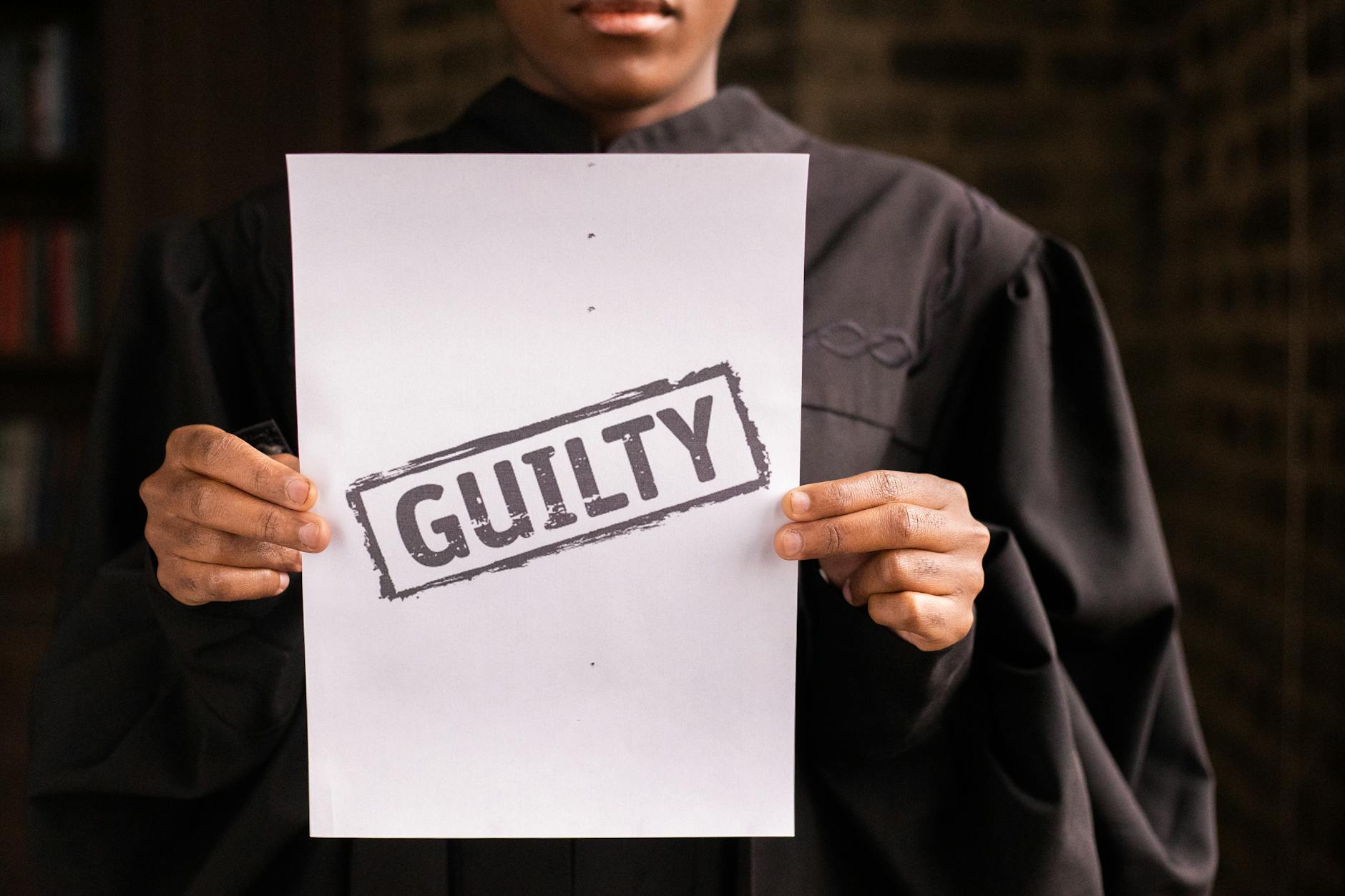
On March 21-23, 2026, while the jury was deliberating, they submitted a question to the judge asking for guidance on how to calculate damages. This procedural detail might seem obscure, but it’s a significant indicator in civil litigation. Juries typically don’t ask detailed questions about damages until they’ve already tentatively decided that the defendant is liable; if they believe the defendant is not responsible, they have no reason to calculate what the damages should be.
The query suggests the jury may be leaning toward finding that Meta and YouTube bear some responsibility for the plaintiff’s harm, though it does not guarantee a verdict in her favor. The jury composition consists of 12 jurors, and under california civil law, only 9 of those 12 need to agree on each count for a verdict to stand—unanimity is not required, as it would be in a criminal trial. This threshold is both a challenge and an opportunity: a plaintiff needs to convince a solid supermajority but doesn’t need complete consensus. As of March 23, 2026, the jury remains deliberating, and each day without a verdict prolongs the uncertainty for both sides.

The Broader Litigation Landscape and What’s at Stake
This single case represents just the visible tip of a much larger body of litigation. Thousands of young people and their families have filed similar claims against Meta, YouTube (Google), TikTok, Snapchat, and other platforms, all arguing that algorithmic designs intended to maximize user engagement have contributed to depression, anxiety, and self-harm. Some of these cases have settled before trial, while others remain pending. A verdict in the Meta and YouTube case will likely influence settlement discussions in all pending matters: if plaintiffs win, defendants may face pressure to pay larger settlements to avoid additional trials; if defendants win, plaintiffs may accept lower settlements or dismiss cases.
The stakes also extend to regulatory and legislative arenas. Pending legislation focused on social media safety for minors often references litigation outcomes as justification for new rules. A jury finding that platforms bear responsibility for addiction harms could strengthen arguments for stricter regulation of algorithmic recommendation systems, age verification requirements, and limits on features designed to maximize engagement time. Conversely, a defense verdict might embolden arguments that social media platforms already operate responsibly and that parental oversight, not regulation, is the appropriate response.
The Challenge of Proving Platform Causation in Modern Litigation
One of the most legally complex aspects of this case is the causation standard itself. In traditional product liability cases—for example, a defective car brake that directly causes an accident—causation is relatively straightforward. But proving that a social media platform “caused” depression in a teenager involves multiple variables, competing expert opinions, and difficult questions about how much responsibility a platform bears when family dysfunction, peer stress, and genetic factors also contribute.
During the trial, both sides presented expert witnesses who disagreed about the degree to which algorithmic design influences user behavior and mental health outcomes. Plaintiffs argued that Meta and YouTube engineered their platforms specifically to create compulsive use patterns, deploying notification systems, infinite scroll, algorithmic feeds, and other features known to engage the dopamine reward systems in young brains. The defense countered that these design features are industry-standard, that millions of young people use social media without developing serious mental illness, and that blaming the platforms ignores the individual vulnerability factors that made this particular plaintiff susceptible to harm. The jury had to navigate these competing claims without definitive scientific proof—because, in reality, the science of social media’s psychological impact remains contested in the academic literature itself.

Settlements Before Trial—Why TikTok and Snap Chose a Different Path
Before the Meta and YouTube case proceeded to jury deliberations, both TikTok and Snapchat made the strategic decision to settle social media addiction claims rather than litigate them. These settlements avoided the uncertainty of a jury verdict but also avoided establishing clear legal precedent about whether platforms are liable for addiction harms.
For those companies, settlement was arguably preferable to the risk of a jury finding liability and setting a benchmark for damages that could apply to thousands of pending cases. The Meta and YouTube defendants chose a different path: to fight the case to a verdict, betting that they could convince a jury that platform design, while intended to engage users, does not cross the legal line into creating actionable harm.
What Comes Next—Implications for Pending Cases and Platform Accountability
Once a verdict is announced, the immediate impact will be felt in settlement negotiations for thousands of pending social media addiction cases. If the jury rules for the plaintiff, expect a surge of settlements as defendants seek to avoid additional trials. If the jury rules for the defendants, plaintiffs’ attorneys will likely appeal and file additional cases with different plaintiffs and fact patterns, hoping to find a jury more sympathetic to their argument.
Either way, this case has already shifted the conversation about social media platform accountability from regulatory and legislative chambers into the civil courtroom, where juries must grapple with the real-world impact of design choices on vulnerable young people. The broader question looming beyond this verdict is whether tech platforms will face ongoing civil liability for addiction harms or whether courts will reject these claims on the grounds that users—and their families—bear responsibility for managing their own engagement. That question will take years and likely multiple verdicts to answer fully.
You Might Also Like
- Social Media Addiction Trial Update: No Verdict Yet as Jury Deliberates Against Meta and YouTube
- Has the Jury Reached a Verdict in the Meta and YouTube Addiction Trial? Latest Update
- Last Chance to File a Claim in the Video Game Addiction Open Class Action Lawsuits
Open Settlements You Can Claim Now
Browse current class action settlements accepting claims — several require no proof of purchase: