

While no specific lawsuit has been identified claiming Louisville Metro Police paid officers for overtime work never performed after the 2020 Floyd protests, the Louisville Metro Police Department did spend $3.6 million on overtime in June 2020 alone during the racial justice protests—raising questions about oversight and verification of hours worked during that period. The massive increase in overtime spending, combined with a documented history of overtime fraud within LMPD and civil rights violations found by the Department of Justice, underscores the importance of accountability and proper verification of police compensation.
Table of Contents
- What Was the Overtime Spending During Louisville’s 2020 Protests?
- LMPD’s History of Overtime Fraud and Verification Vulnerabilities
- The DOJ Investigation and Civil Rights Violations During 2020 Protests
- Why Overtime Verification Matters for Accountability
- How Could Affected Taxpayers Challenge Improper Police Spending?
- The Broader Pattern of Police Misconduct and Financial Impropriety
- What Accountability Mechanisms Exist Going Forward?
What Was the Overtime Spending During Louisville’s 2020 Protests?
During the May 2020 racial justice protests in Louisville, LMPD dramatically increased overtime spending to manage the escalating civil unrest. Between May 28 and June 14, 2020, the department spent $3.1 million on overtime—averaging $169,723 per day. The spending dropped significantly in the latter half of June (June 15-28), to $419,310 total, or approximately $29,950 per day, as protest activity declined.
Officers worked extended shifts of 12 to 16 hours during the peak protest period, which drove the substantial increase in labor costs. For the entire fiscal year ending June 30, 2020, LMPD’s overtime budget ballooned from $7.4 million the prior year to $11.4 million—a 54% increase largely attributable to the protest response. While extended hours were necessary to address public safety concerns during the protests, such large-scale spending warrants examination of whether proper verification procedures existed to ensure all hours claimed were actually worked. The speed at which overtime was authorized and processed during a chaotic period raises legitimate questions about administrative oversight.

LMPD’s History of Overtime Fraud and Verification Vulnerabilities
LMPD’s overtime verification systems have demonstrated significant weaknesses in the past. In 2020, three LMPD officers—Brian Stanfield, Todd Roadhouse, and Mark Final—were charged with federal wire fraud for falsifying overtime reports spanning 2014-2017. These officers had created false arrest records and fabricated overtime documentation to claim hours they had not actually worked.
Each was sentenced to three years of probation, a conviction that demonstrates the department’s vulnerability to internal fraud. However, if the overtime verification system had functioned properly, this fraud would have been caught during the initial pay authorization phase rather than requiring federal investigation. The existence of this documented fraud case is significant because it reveals systemic gaps in how LMPD verifies overtime claims. The same vulnerabilities that allowed officers to falsify records in 2014-2017 could theoretically have existed during the heightened chaos of the 2020 protests, when administrative controls would have been even more strained under emergency conditions.
The DOJ Investigation and Civil Rights Violations During 2020 Protests
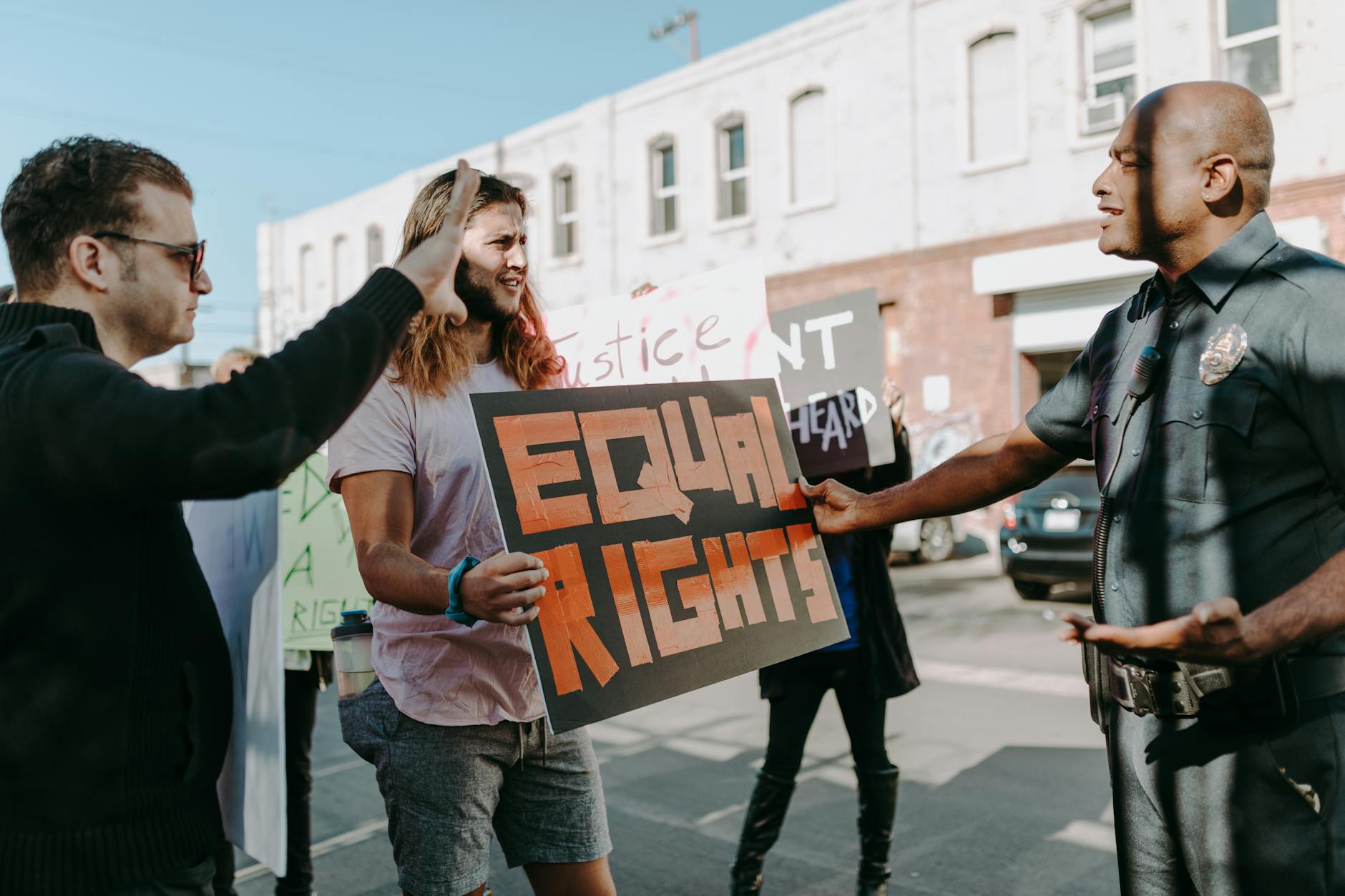
Beyond overtime concerns, the Department of Justice launched a comprehensive investigation into LMPD’s handling of the 2020 protests. In a report published March 8, 2023, the doj found that Louisville police violated both First Amendment rights (freedom of assembly and protest) and Fourth Amendment rights (unlawful searches and seizures) during the protest response. The investigation documented excessive force, unnecessary arrests, and tactics that effectively suppressed legitimate protest activity.
These civil rights violations occurred within the same organizational context as the overtime spending. Officers working extended shifts during a crisis, with inadequate supervision and unclear rules of engagement, committed documented abuses. This pattern suggests that the same lack of oversight affecting civil rights compliance may have also affected administrative accountability for overtime.
Why Overtime Verification Matters for Accountability
police departments should maintain independent verification of overtime hours through multiple checkpoints: supervisor sign-off at the end of each shift, comparison of payroll records with dispatch logs and arrest records, and periodic audits comparing claimed hours against actual documented work. When any of these steps are skipped or inadequately performed, the door opens for fraudulent claims.
In the context of the 2020 protests, proper verification would have required matching reported overtime hours against actual assignments, dispatch records, and arrest logs to confirm officers were engaged in authorized activities for the claimed duration. Conversely, if such verification was not performed—which is likely given the operational crisis—the city has no reliable way to determine whether all $3.6 million in June overtime actually corresponded to hours worked.
How Could Affected Taxpayers Challenge Improper Police Spending?
Taxpayers have limited but meaningful avenues to challenge improper government spending. Requests under state public records laws can reveal overtime records, authorization documents, and verification procedures (or lack thereof) that were actually in place during the protest period. These documents can be compared against official policies to identify gaps or violations.
However, if X indicates a city violated its own policies in authorizing overtime without proper verification, then Y suggests the taxpayer may have grounds for civil claims, though municipal sovereign immunity often limits these claims. A more practical approach for organized groups of affected residents is to demand city council oversight, request independent audits of the overtime spending, and advocate for strengthened verification procedures going forward. Some cities have established civilian police accountability boards with authority to investigate and recommend changes to departmental procedures.

The Broader Pattern of Police Misconduct and Financial Impropriety
The combination of documented overtime fraud (2014-2017), massive unverified overtime spending (2020), and civil rights violations (2020) points to a pattern of inadequate internal accountability at LMPD. When an organization has demonstrated vulnerability to fraud, exhibits civil rights violations, and then experiences a period of emergency spending with reduced oversight, the risk of financial misconduct increases substantially.
Similar patterns have emerged in other major police departments. Los Angeles, Chicago, and other cities have all had to conduct overtime audits after discovering unauthorized or fraudulent claims. The difference is that some departments responded by implementing stricter verification procedures and civilian oversight; others have been slower to reform.
What Accountability Mechanisms Exist Going Forward?
Louisville residents have several mechanisms to demand accountability. Kentucky’s public records law allows inspection of overtime authorizations, payroll records, and department policies. Citizens can request city council investigations or ask the state auditor to conduct a performance audit of LMPD’s overtime procedures.
Some residents have also pursued civil litigation against the city for the civil rights violations documented in the DOJ report. Going forward, accountability depends on whether Louisville implements the structural reforms recommended by DOJ: better supervision, clearer use-of-force policies, and independent oversight of police operations. Separate from the civil rights dimension, the city should conduct a forensic audit of overtime spending during the 2020 protest period to verify actual hours worked and implement mandatory cross-verification with dispatch logs and arrest records for all future overtime claims.