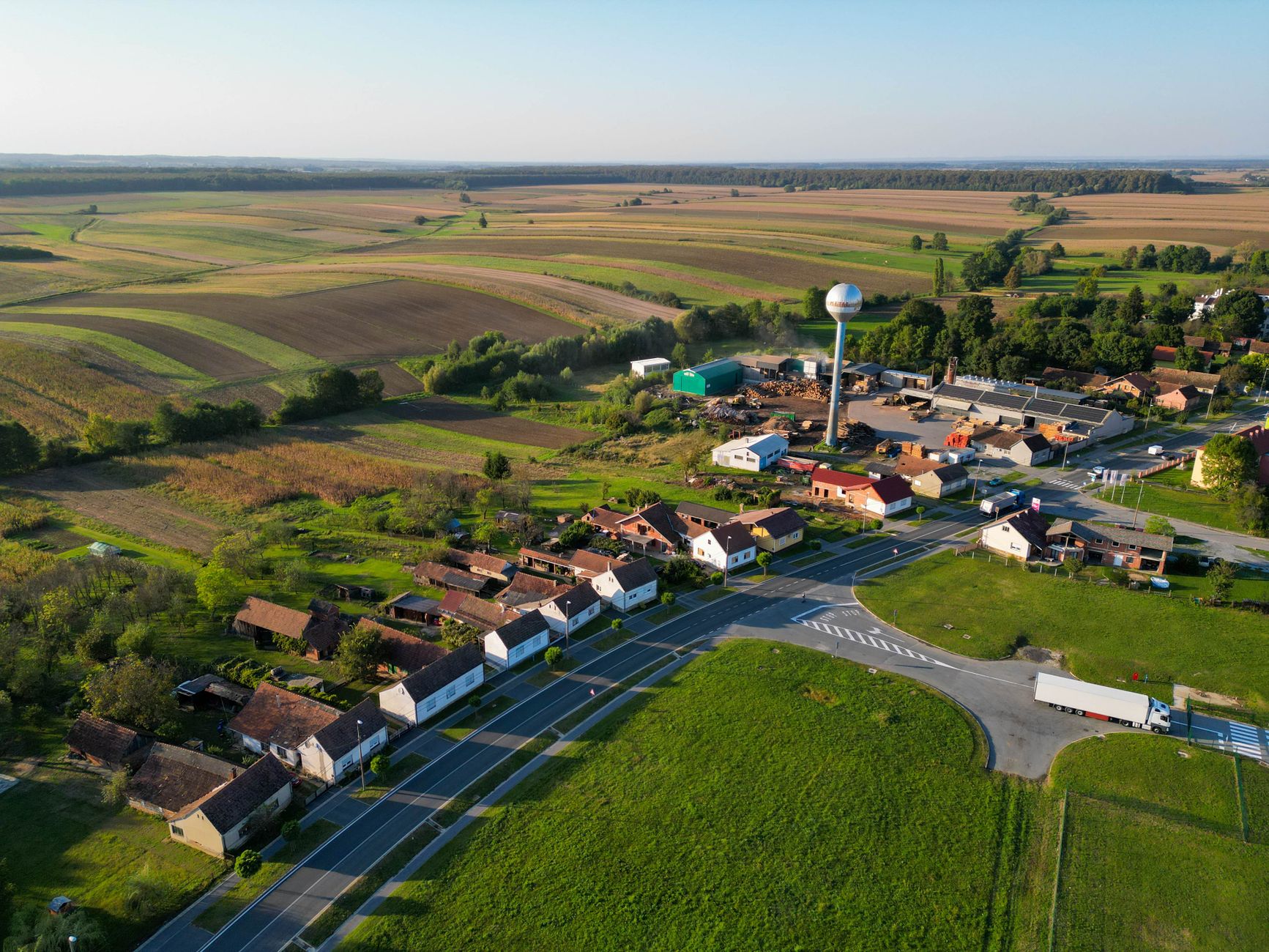
PFAS water contamination lawsuits usually take about seven to seventeen years to settle. Most large drinking-water cases need at least five years of testing, pretrial work, and talks. PFAS means per- and polyfluoroalkyl substances, human-made chemicals that persist in water and soil.
Readers considering a claim should expect a slow process, not a quick payout. Water-system funds and personal-injury claims move on different clocks. Filing early preserves options while lawyers sort eligibility.
Table of Contents
- Why do these cases take so long?
- What do past drinking-water settlements show?
- Where does the federal AFFF litigation stand?
- Does a water-fund deal set your injury value?
- What should you do while a case is pending?
Why do these cases take so long?
These suits combine science, health proof, and many parties. Lawyers must link a specific chemical to a specific water supply. They must also link exposure to property loss or illness. Federal cases add coordinated pretrial work before any trial or payout.
According to Settlement Advocate, federal AFFF suits were centralized in 2018 for coordinated pretrial work, without deciding liability. That stage alone can consume years. Class size also slows administration. Counsel for about 70,000 Ohio and West Virginia residents describes over 17 years of work, according to Taft Law. The work included a 2004 class settlement, later agency action, then a 2017 injury settlement in principle.
What do past drinking-water settlements show?
The DuPont C8 cases filed in 2001 settled in February 2017 for $670.7 million in cash, according to the DuPont press release in the DuPont global settlement announcement. The fund covered about 3,550 Ohio and West Virginia personal-injury suits. DuPont paid half and Chemours paid half. Minnesota sued 3M in December 2010 and settled on February 20, 2018, according to the Minnesota Attorney General in the Minnesota-3M agreement page.
The state accepted an $850 million restricted grant on the morning trial was to begin. The state had sought $5 billion. The lesson is direct. Even strong public claims took seven to sixteen years. Trial pressure often forced the final deal.
Where does the federal AFFF litigation stand?
The modern federal fight centers on firefighting foam, called AFFF. Cases were sent to South Carolina for joint pretrial handling. That structure avoids repeat discovery but delays individual trials. Public water suppliers reached resolution first.
3M entered a broad class resolution on June 22, 2023, according to 3M News Center in the 3M water-supplier resolution notice. The company committed up to $10.3 billion in present value, payable over 13 years. Personal-injury claims took longer and stayed separate. 3M signed a personal-injury resolution on November 3, 2026, according to MDL Update in the 3M personal-injury settlement report. The deal promises up to $7.35 billion nominal, about $5.8 billion in present value, from 2026 to 2034 for about 115,000 to 120,000 plaintiffs.
Does a water-fund deal set your injury value?
No. Water-system settlements and personal-injury claims use separate tracks. According to Settlement Advocate, they have different proof, classes, and administration. A large water-fund figure does not set any individual cancer-claim value or timing. Government enforcement is also separate.
According to the U.S. EPA bulletin, EPA, DOJ, and West Virginia announced a Chemours settlement in June 2026 totaling about $450 million. It included penalty, injunctive work, and mitigation funds. For families, the split matters. A town may receive treatment money while residents wait years for health-claim review. Each track needs its own filing and proof.
What should you do while a case is pending?
Act early because deadlines are strict. According to MDL Update, lawyers had to identify every eligible 3M personal-injury claimant by November 13, 2026.
A November 20, 2026 conference was set to address late entry and new suits. Use this checklist while you wait: Keep your water test, medical records, and lawyer letters in one folder.
- Save water bills, test results, and notices from your supplier.
- Save medical records, diagnosis dates, and work history near foam or plants.
- Ask a lawyer whether you are in a water class, an injury group, or neither.
- Track opt-in forms, medical-review letters, and payment notices by date.