

Most class action settlement checks are valid for 90 to 180 days from the date they are issued. The exact window depends on the terms of the specific settlement agreement, and you will find the expiration printed directly on the face of the check — typically as “VOID AFTER 90 DAYS” or “VOID AFTER 180 DAYS.” If you received a settlement check for, say, $47 from a data breach case and tossed it on your kitchen counter, you could have as little as three months before that check becomes a worthless piece of paper. Under UCC Section 4-404, banks are not even obligated to honor any check presented more than six months after its date, which means the legal backstop is 180 days at most — and many settlement administrators set deadlines well short of that.
The frustrating reality is that millions of dollars in settlement funds go unclaimed every year, not because people failed to file claims, but because they let valid checks expire. Settlement administrators at firms like Kroll have noted that the single most common reason people lose their settlement money is simply failing to deposit the check before expiration.
Table of Contents
- How Long Do Class Action Settlement Checks Stay Valid Before Expiring?
- What Happens When a Settlement Check Expires Before You Cash It
- Where Uncashed Settlement Money Actually Goes
- Steps to Take If You Receive a Class Action Settlement Check
- Tax Consequences of Expired Settlement Checks You Never Cashed
- Why Settlement Administrators Set Short Expiration Windows
- Digital Payments and the Future of Settlement Distribution
- Frequently Asked Questions
How Long Do Class Action Settlement Checks Stay Valid Before Expiring?
The validity period for a class action settlement check is determined by the settlement agreement itself, not by general banking law. Settlement administrators commonly set windows of 90 days, 120 days, or 180 days. A check from a consumer privacy settlement might give you 180 days, while a smaller product defect payout might expire after just 90. The governing documents filed with the court dictate which timeframe applies, and the settlement administrator prints that deadline on the check accordingly. Behind all of this sits UCC Section 4-404, which has been adopted in nearly all U.S. states.
Under this provision, a bank has no obligation to pay a check presented more than six months after its date of issue — though the bank retains discretion to honor it in good faith if it chooses. In practice, most banks will not pay a stale check without first consulting the account holder. This means even if your settlement check technically says “VOID AFTER 180 DAYS,” a bank could still refuse it at 150 days if internal policies flag it. The safer approach is to treat the printed expiration as a hard deadline and deposit well before it arrives. One important exception: certified checks are excluded from the six-month stale-check rule under the UCC and receive separate, longer validity treatment. However, class action settlement checks are almost never issued as certified checks, so this exception rarely applies to the typical claimant.

What Happens When a Settlement Check Expires Before You Cash It
If your settlement check passes its expiration date, the check itself becomes void and your bank will not process it. But this does not necessarily mean your money is gone forever. class members generally have the right to request reissuance from the settlement administrator, provided funds remain available in the settlement pool. Administrators deal with expired checks routinely and most have a standard reissue process in place. Contacting the administrator listed on your original notice or check stub is the first step. However, reissuance is not guaranteed in every case.
Some settlement agreements include language specifying that expired payments will not be reissued except for “good cause” as mutually agreed by the parties in writing. This means the defendant, class counsel, and the administrator all need to sign off. If your reason for missing the deadline is that you forgot or were too busy, that may not meet the “good cause” threshold. Settlements with smaller per-claimant payouts are particularly unlikely to offer reissuance, because the administrative cost of cutting a new check may approach or exceed the payment amount itself. The window for requesting reissuance also has limits. Once a settlement has been fully administered and the remaining funds distributed or escheated, there is no pool of money left to draw from. If you contact the administrator two years after the settlement closed, the answer will almost certainly be no regardless of your reason.
Where Uncashed Settlement Money Actually Goes
When settlement checks go uncashed, the money does not simply vanish. Courts and settlement agreements typically specify one of three paths for residual funds, and the destination matters — because once those funds move, individual claimants generally cannot recover them. The first and increasingly preferred option is redistribution. Courts now commonly recommend that residual funds from uncashed checks be redistributed pro rata to class members who did cash their checks. If a settlement paid out $10 million and $800,000 in checks went uncashed, the people who deposited their checks on time might receive a small additional payment.
This process repeats until redistribution is no longer administratively feasible — meaning the cost of cutting and mailing new checks exceeds the value of the remaining funds. The second option is cy pres awards, where leftover funds go to third-party charities or nonprofits whose missions relate to the subject matter of the lawsuit. A data privacy settlement, for example, might direct residual funds to a digital rights organization. The third path is state escheatment, where unclaimed funds revert to the state under unclaimed property laws. In California, for instance, residual settlement funds may go to the State Controller under the Unclaimed Property Law.

Steps to Take If You Receive a Class Action Settlement Check
The single most important thing you can do is deposit or cash the check immediately. Not next week, not when you get around to it — the day it arrives or the day after. Settlement checks are not like paychecks that come every two weeks. They are one-time payments, and once the expiration date passes, retrieving that money becomes difficult or impossible. Before depositing, verify the check is legitimate. Settlement checks arrive from unfamiliar entities — typically a settlement administrator like Epiq, Kroll, or Angeion Group — and they often look different from standard checks. Cross-reference the case name on the check with your records of claims you have filed. If you do not remember filing a claim, search your email for the case name before discarding the check, since many claims are filed online and confirmed via email.
If the check is real, deposit it through your bank. Mobile deposit works for most settlement checks, though some banks flag checks from unfamiliar issuers. If mobile deposit is rejected, take it to a branch. If you discover the check has already expired, contact the settlement administrator immediately. The administrator’s name and contact information are typically printed on the check or the accompanying letter. Have the check number and case name ready. Ask specifically whether reissuance is available and what documentation you need to provide. Acting quickly matters because settlement funds are eventually distributed through other channels and the pool shrinks over time.
Tax Consequences of Expired Settlement Checks You Never Cashed
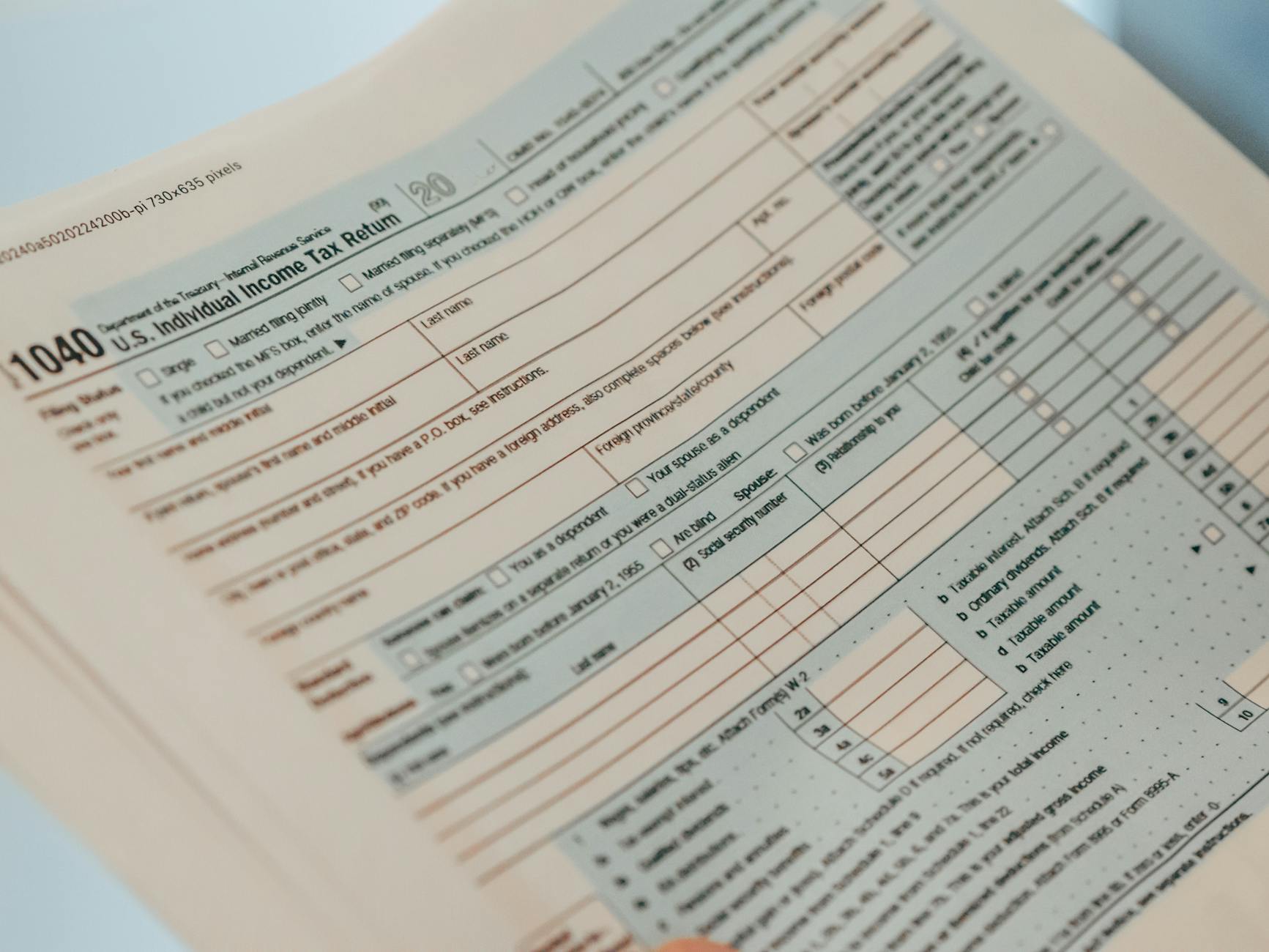
One of the least understood aspects of settlement check expiration is the tax treatment. An expired or uncashed settlement check may still create tax liability for you. The IRS may consider the settlement amount as taxable income in the year the check was issued, regardless of whether you actually cashed it. The legal theory is that the funds were made available to you — the concept of “constructive receipt” — and your failure to deposit the check does not eliminate the income event. This creates a genuinely painful scenario.
Imagine you received a $2,500 settlement check from an employment class action, let it expire, and never saw a dime of that money. If the settlement administrator reported the payment to the IRS on a 1099 form, you could owe taxes on income you never actually received. Resolving this requires contacting both the settlement administrator and the IRS, which is time-consuming and may require professional tax help. Some administrators will issue a corrected 1099 if the check was never cashed, but this is not automatic and depends on how the settlement’s tax reporting was structured. The broader point is that ignoring a settlement check does not make it disappear from your financial life. Even if you do not want the money — perhaps the amount is trivially small — you are better off cashing the check and dealing with the tax consequences cleanly than letting it expire and potentially facing a tax bill with no corresponding income.
Why Settlement Administrators Set Short Expiration Windows
Settlement administrators use expiration deadlines partly for practical reasons and partly because courts require efficient case closure. A class action settlement cannot remain open indefinitely. Courts want cases off their dockets, defendants want finality, and administrators need to reconcile accounts and file final reports. Setting a 90- or 120-day check validity window — shorter than the six months permitted under the UCC — accelerates this process.
There is also a cost calculation at work. Every month a settlement remains open, the administrator incurs costs for maintaining the bank account, monitoring for incoming checks, responding to claimant inquiries, and reporting to the court. These costs are paid from the settlement fund itself, which means extended timelines reduce the total amount available to class members. A shorter check validity window, while harder on individual claimants who procrastinate, arguably serves the class as a whole by minimizing administrative drag on the fund.
Digital Payments and the Future of Settlement Distribution
The expired-check problem may eventually become less common as settlement administrators shift toward electronic payment methods. Several major administrators now offer direct deposit, PayPal, Venmo, and prepaid debit cards as alternatives to paper checks. Digital payments eliminate the expiration issue entirely for direct deposits and significantly reduce it for prepaid cards, which typically carry much longer validity periods than paper checks.
That said, paper checks remain the default for most settlements, particularly older cases and those involving claimants who did not provide electronic payment information during the claims process. Until digital distribution becomes universal, the burden remains on individual claimants to watch their mail, recognize settlement checks when they arrive, and deposit them promptly. The shift is happening, but it is not happening fast enough to save the millions of dollars that expire in kitchen drawers and junk mail piles every year.
Frequently Asked Questions
Can I cash a class action settlement check after 90 days?
It depends on what the check says. If the check is printed with “VOID AFTER 90 DAYS” and more than 90 days have passed, your bank will not process it. Contact the settlement administrator to ask about reissuance. Under UCC Section 4-404, banks have no obligation to honor any check older than six months, but many settlement checks expire well before that six-month outer limit.
How do I contact the settlement administrator about an expired check?
The administrator’s name and contact information are usually printed on the check itself or the letter that accompanied it. If you no longer have those documents, search online for the case name followed by “settlement administrator” to find contact details. Have your check number and full name ready when you call.
Will I owe taxes on a settlement check I never cashed?
Potentially, yes. The IRS may treat the settlement payment as constructive receipt of income in the year the check was issued, even if you never deposited it. If the settlement administrator reported the payment on a 1099, you may need to contact both the administrator and the IRS to resolve the discrepancy.
What is cy pres and how does it affect my uncashed settlement money?
Cy pres is a legal doctrine that allows courts to direct leftover settlement funds — including money from uncashed checks — to charities or nonprofits related to the lawsuit’s subject matter. Once funds are distributed through cy pres, individual claimants can no longer recover them. Courts use cy pres when redistribution to class members is no longer feasible.
Are certified checks treated differently than regular settlement checks?
Yes. Under the UCC, certified checks are excluded from the standard six-month stale-check rule and have longer validity treatment. However, class action settlements almost never issue certified checks, so this distinction rarely matters for typical settlement payouts.
Can the bank choose to honor an expired settlement check anyway?
Under UCC Section 4-404, a bank has discretion to honor a check older than six months if it acts in good faith. However, standard banking practice is to refuse stale checks without consulting the account holder first. Even if your bank were willing, the settlement administrator’s account may have been closed by that point, meaning the check would bounce regardless.
You Might Also Like
- What to Do If You Never Received Your Class Action Settlement Check
- What Happens If a Class Action Settlement Check Bounces
- How to Track a Class Action Settlement Payment Status Online