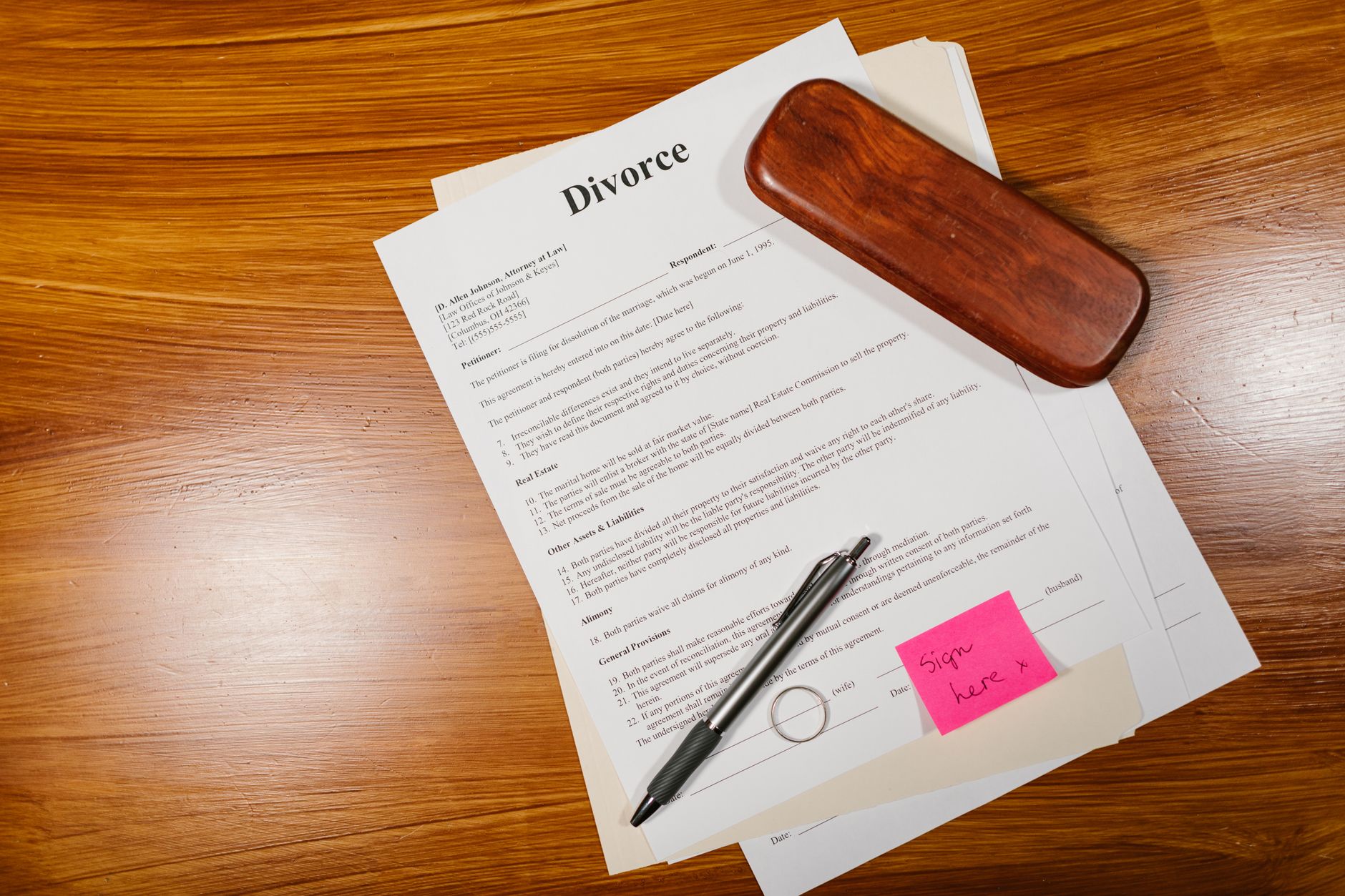
A worker antitrust class action is a lawsuit where employees sue together over competing employers agreeing to fix wages or avoid hiring each other's staff. Courts treat it as a Sherman Act Section 1 conspiracy case that suppressed pay and job mobility. According to Lieff Cabraser in its antitrust labor overview, these cases allege competitors conspired rather than setting pay alone. That distinction matters because conspiracy triggers antitrust rules, not ordinary wage law.
Official resources:
- Read the official guidance from Justice — Use this primary source to verify the official guidance.
- Read the official notice from Faegredrinker — Use this primary source to verify the official announcement.
Table of Contents
- What counts as a worker conspiracy?
- What must workers prove to form a class?
- Why do some worker classes succeed?
- What should workers check before expecting payment?
What counts as a worker conspiracy?
According to the DOJ and FTC worker guidelines, naked no-poach deals between labor competitors are often per se illegal. The same guidance treats wage-fixing like price-fixing in product markets.
On April 14, 2025, a Nevada federal jury convicted executive Eduardo Lopez for fixing wages for Las Vegas home-health nurses. WilmerHale describes it as DOJ's first wage-fixing trial conviction.
What must workers prove to form a class?
Under Rule 23, published in the U.S. Code via Wikisource, a class needs numerosity, common questions, typical claims, and adequate representation. For a damages class, Rule 23(b)(3) also requires predominance of common questions and superiority over individual suits.
Faegre Drinker explains that under Comcast Corp. v. Behrend, courts must rigorously test whether damages can be measured classwide. Plaintiffs need a common method tied to the liability theory, and judges weigh defense expert challenges even when they overlap the merits.
Why do some worker classes succeed?
In In re High-Tech Employee Antitrust Litigation, the Northern District of California certified about 64,600 technical workers. FordHarrison reports in its case summary the court approved a $415 million settlement on Sept. 2, 2015 after DOJ's 2009-2010 hiring investigation involving Apple, Google and others. On June 10, 2026, the Northern District of Illinois denied certification for more than 6,000 health-care workers.
According to Legal 500/A&O Shearman in its court ruling report, plaintiffs lacked common proof of impact and damages across jobs and pay systems. On Sept. 8, 2026, a North Carolina court denied class status in Davis v. HCA for failure to show classwide impact. UC Berkeley Source on Healthcare notes individual worker antitrust claims could still continue.
What should workers check before expecting payment?
Certification turns on common proof, not only a strong conspiracy story. Workers with varied jobs, locations, or pay systems face a harder path to classwide damages. If you hear about a case, compare these points: Save pay stubs, offer letters, and records of blocked moves tied to the period named in the suit.
- Same competing employers named in the alleged agreement
- Same hiring or wage rule that affected your job
- Shared evidence linking lower pay to that rule
- Whether the judge certified a class or left only individual claims