
The Ford F-150 10-speed transmission defect class action, O’Connor, et al. v. Ford Motor Co. (Case No. 1:19-cv-05045), centers on a widespread problem affecting 2017-2020 Ford F-150 pickup trucks equipped with the 10-speed automatic transmission (10R80).
The lawsuit alleges that Ford’s 10-speed transmission is defectively designed and manufactured, causing harsh shifting, unintended downshifting, jerking, and surging that compromises vehicle safety and reliability. In February 2026, a U.S. District Judge in the Northern District of Illinois denied Ford’s motions to dismiss the case, allowing plaintiffs’ expert witnesses to testify and moving the litigation forward. No global settlement has been reached as of April 2026, meaning the case remains active while plaintiffs and Ford continue litigation. Individual owners have received settlements in the range of $165,000 through lemon law claims, roughly twice what some owners paid for their vehicles. The case highlights a critical gap between Ford’s public response and the persistent transmission problems reported by owners: despite issuing technical service bulletins with repair procedures, the underlying defects continue to plague affected vehicles years after they left the factory.
Table of Contents
- What Is the Ford F-150 Transmission Defect and Lawsuit?
- The Extent of the Transmission Problem
- Which Ford F-150 Trucks Are Affected?
- How Can Affected Owners File Claims and What Compensation Is Available?
- NHTSA Investigation and Safety Implications
- Ford’s Technical Response and Repair Limitations
- The Future of the Ford F-150 Transmission Litigation
What Is the Ford F-150 Transmission Defect and Lawsuit?
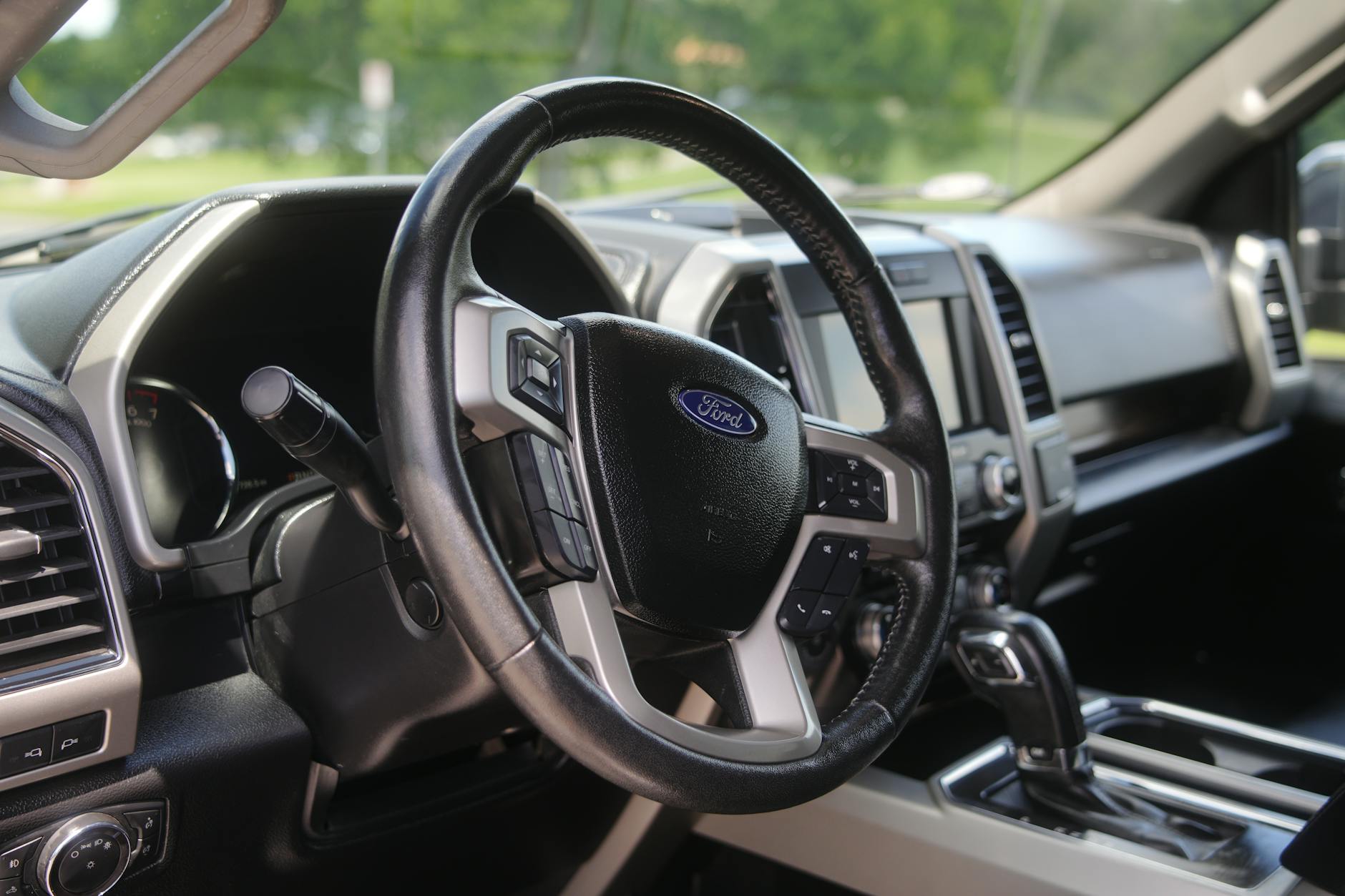
The core allegation is that ford equipped 2017-2020 F-150 trucks with a defective 10-speed automatic transmission that exhibits erratic and harsh shifting behavior. Owners report that their vehicles jerk, lunge, surge, or hesitate between gears without warning. In some cases, the transmission downshifts unexpectedly without driver input, potentially creating safety hazards during highway driving or when trying to maintain consistent speed. The 10R80 transmission, which Ford advertised as an efficiency improvement, has become the subject of widespread consumer complaints and regulatory scrutiny.
The lawsuit was filed in the U.S. District Court for the Northern District of Illinois and has survived Ford’s attempts to have it dismissed. Judge Jeffrey Cummings’ February 2026 ruling allowing expert testimony is significant because it means the case will likely proceed to class certification—the critical step where a court decides whether individual claims can be consolidated into a class action. This ruling suggests the judge found sufficient evidence of defect to allow the case to move forward, contrary to Ford’s arguments that the transmission issues are isolated or merely cosmetic.
The Extent of the Transmission Problem
The transmission defects reported by owners extend beyond mere driving discomfort; they represent potential safety issues. Unintended downshifting, jerking, and surging can catch drivers off-guard, potentially causing accidents or loss of vehicle control, especially at highway speeds or in heavy traffic. The defect became serious enough that the National Highway Traffic Safety Administration opened an investigation early 2026, upgrading the scope to cover nearly 1.3 million vehicles—a signal that regulators view the problem as systematic rather than isolated to a few bad units.
What makes this defect particularly frustrating for owners is that Ford has not resolved the underlying issue despite having years to do so. The company issued Technical Service Bulletin TSB 24-2101 in 2024, offering repair and calibration procedures for 2017-2023 10R80 vehicles, yet owners continue reporting transmission problems even after dealerships perform the recommended fixes. This suggests the TSB addresses only symptoms, not the root cause of the defect, leaving owners with vehicles that may still exhibit transmission problems despite Ford’s attempts at remediation.
Which Ford F-150 Trucks Are Affected?
The class action covers Ford F-150 pickup trucks from model years 2017 through 2020 that are equipped with the 10-speed automatic transmission. This four-year window encompasses millions of vehicles, making it one of the largest affected populations in recent transmission class actions. Not every F-150 from these years is included—only those with the 10R80 transmission are part of the lawsuit, while owners of F-150s with other transmission options are unaffected.
The 10R80 was marketed as Ford’s next-generation transmission, designed to improve fuel efficiency and performance. Instead, the widespread problems suggest quality control failures in the manufacturing process or fundamental design flaws that Ford failed to identify before mass production. An owner who purchased a 2018 F-150 SuperCrew with a 10-speed transmission, for example, may have paid $45,000-$50,000 for a truck that developed transmission problems within the first few years of ownership, making the vehicle unreliable for work or family use.
How Can Affected Owners File Claims and What Compensation Is Available?
Owners of affected 2017-2020 F-150 trucks with the 10-speed transmission have multiple avenues for compensation depending on their jurisdiction and circumstances. Some owners have pursued individual lemon law claims under state consumer protection statutes, which have resulted in settlements around $165,000—an amount that reflects not just the vehicle’s depreciated value but also the costs of ownership, repair attempts, and the inconvenience of a defective vehicle. However, lemon law claims require meeting specific state requirements, often including a minimum number of repair attempts or a percentage of downtime, so eligibility varies by location.
The class action lawsuit offers a different path for compensation, though the timeline and settlement amount remain uncertain since no global settlement exists yet. Class actions can provide broader relief to more owners, but settlements typically pay less per claim than individual lemon law cases because the compensation is divided among all class members. Owners should consult with a lawyer specializing in either lemon law or class action litigation to determine which approach—or combination of approaches—best suits their situation. The tradeoff is that lemon law claims move faster but require more stringent proof, while class actions move slower but may capture more owners.
NHTSA Investigation and Safety Implications
The National Highway Traffic Safety Administration’s decision in early 2026 to upgrade its investigation into the 10-speed transmission defect to cover nearly 1.3 million vehicles signals that federal regulators have identified a safety risk serious enough to warrant expanded scrutiny. Unintended downshifting specifically raises safety concerns because it can cause sudden loss of engine braking or unexpected power delivery, potentially leading to loss of vehicle control. This is not merely a comfort issue; it involves the same kinds of unintended acceleration and loss of control risks that have prompted major recalls and litigation in the automotive industry.
However, it’s important to note that an open NHTSA investigation does not automatically result in a recall, nor does it guarantee that owners will receive compensation. The investigation must conclude that a safety defect exists and that a remedy is feasible and reasonable before NHTSA can mandate a recall. The existence of the investigation does strengthen the legal case of plaintiffs in the class action, as it provides independent evidence that the transmission problems are not isolated consumer complaints but rather a widespread issue affecting vehicle safety.
Ford’s Technical Response and Repair Limitations
Ford issued Technical Service Bulletin TSB 24-2101 to dealerships, providing procedures for diagnosing and repairing the 10R80 transmission in 2017-2023 model year vehicles. The bulletin includes software updates and transmission calibrations intended to improve shift quality and reduce the jerking and surging. However, many owners who have had the TSB performed at dealerships report that the repairs did not fully resolve their transmission problems, or that issues returned after several months.
This suggests that the TSB is a band-aid fix rather than a genuine solution to the root cause. The limitation of Ford’s technical response is crucial to the class action lawsuit because it demonstrates that Ford is aware of the problem but has not implemented a complete fix. Owners cannot rely on the warranty or dealership repairs to resolve their transmission defects; the problems persist despite Ford’s interventions. This pattern of incomplete remediation strengthens plaintiffs’ arguments that the defect is fundamental to the 10R80 transmission design and cannot be adequately corrected without a complete transmission replacement or redesign—a remedy that Ford has been unwilling to provide.
The Future of the Ford F-150 Transmission Litigation
As of April 2026, the Ford F-150 10-speed transmission class action remains in the pre-settlement phase, with the case having survived Ford’s motions to dismiss and moving toward class certification. Judge Jeffrey Cummings’ February 2026 ruling permitting expert testimony suggests the case has sufficient merit to proceed, though the path to a final settlement or judgment could take several more years.
The outcome will depend partly on whether the judge certifies the case as a class action and partly on the strength of evidence presented by both sides about the transmission’s defects and Ford’s knowledge of them. The involvement of NHTSA’s upgraded investigation could accelerate settlement discussions, as the threat of a federal recall could make early settlement attractive to Ford to avoid the larger costs and reputational damage of a mandated repair program. For affected owners, staying informed about case developments and consulting with an attorney remain the best strategies for protecting their rights and maximizing their potential recovery.
Sources
- Ford PowerShift DPS6 Transmission Settlement (Closed) — OpenClassActions.com’s the settlement record: what the case covered, what it paid and how it closed.
You Might Also Like
- Ford PowerShift Transmission Defect Class Action Settlement
- Ford Bronco Hardtop Cracking Defect Class Action
- Tesla Model 3 Paint Defect Class Action
Open Settlements You Can Claim Now
Browse current class action settlements accepting claims — several require no proof of purchase: