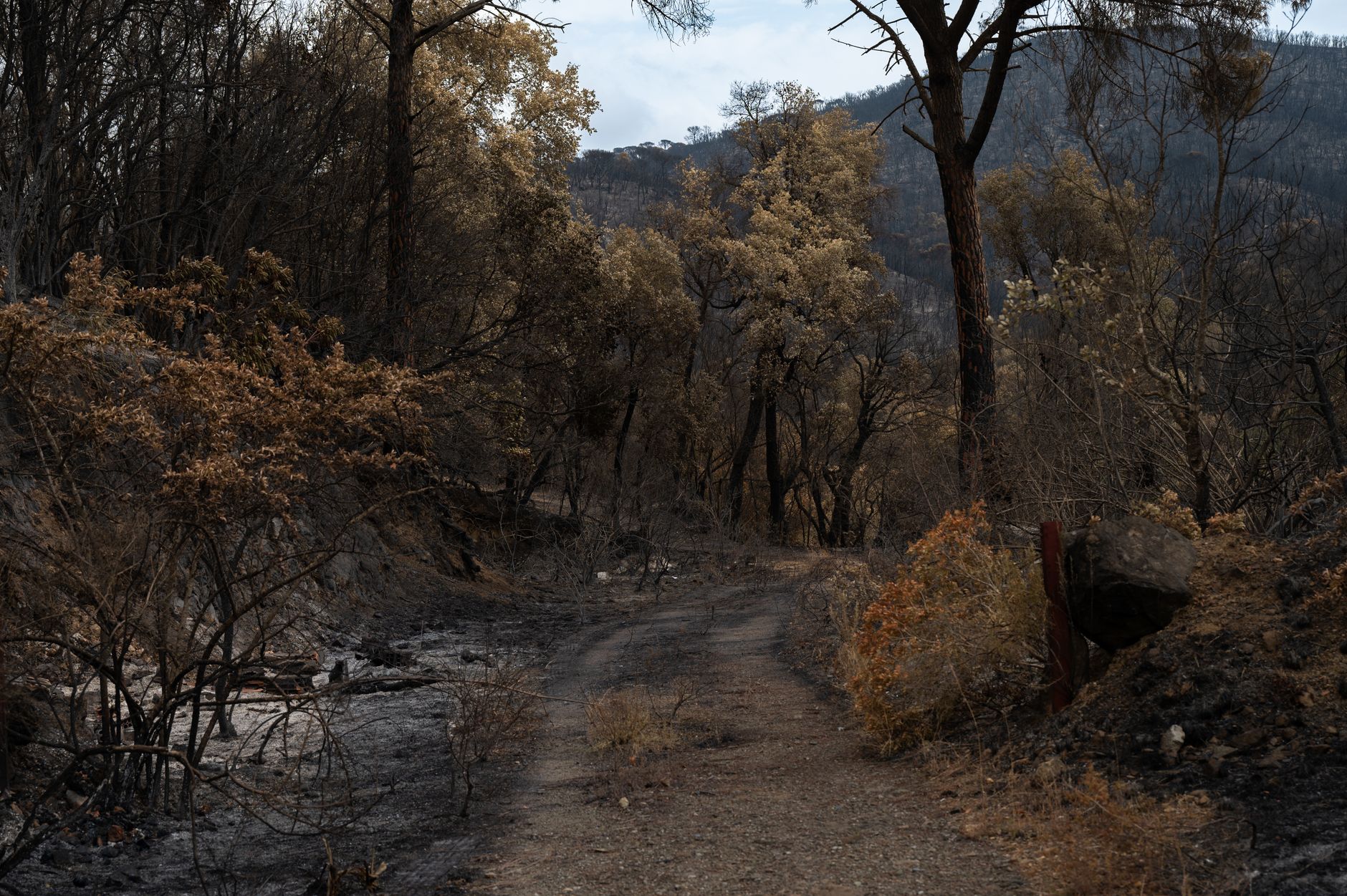
This 2026 guide covers disaster, wildfire, and hurricane settlements: who can claim, what proof to submit, and when to file. A settlement here means money or aid paid after a declared disaster, either through a utility compensation program or federal assistance. Southern California Edison runs a voluntary Eaton Fire recovery program for eligible individuals and businesses, while FEMA and the Small Business Administration handle housing aid and long-term disaster loans. Your decision turns on eligibility, documents, release terms, and deadlines.
Table of Contents
- Who can claim the SCE Eaton Fire payment?
- What does FEMA require for Individual Assistance?
- How do you prove ownership, occupancy, and loss?
- What can SBA disaster loans cover?
- Which deadlines and housing costs matter now?
- Frequently Asked Questions
Who can claim the SCE Eaton Fire payment?
Southern California Edison offers its voluntary Eaton Fire recovery program to eligible individuals and businesses, and participation is optional. Offers may be accepted or declined, and claims are due by Nov. 30, 2026, according to Southern California Edison program details.
The program covers a wide range of loss sizes. Southern California Edison says program offers match past wildfire lawsuit settlement values, from $15,000 for a tenant with non-burn damage to $15.1 million for multiple properties, with review in weeks or months, as described in Southern California Edison payment information. Accepting payment ends the matter against SCE. Accepting requires signing a settlement agreement releasing all past and future claims, so claimants trade faster payment for giving up further litigation or mediation.
What does FEMA require for Individual Assistance?
FEMA Individual Assistance requires the home to be in a designated disaster area. Applicants must disclose insurance and provide the insurer settlement or denial letter before FEMA decides eligibility and avoids duplicating benefits, according to FEMA eligibility criteria. That insurance step controls timing.
File with the insurer first, keep the decision letter, then let FEMA review the remaining unmet need. For inspection and review, gather ownership papers, occupant records, and damage proof before you apply. Bring photo ID, proof of ownership or occupancy, household occupant and damage lists, insurance policies, receipts, and repair photos.
How do you prove ownership, occupancy, and loss?
Use documents that tie you, the address, and the damage together. For ownership, use a deed, mortgage statement, tax bill, or insurance policy showing the address.
For occupancy, use a lease, utility bill, license, or mail showing you lived there. Keep originals and send clear copies. Take dated photos of each damaged room, keep repair and hotel receipts, and save contractor estimates with names and amounts.
- Photo ID for each applicant
- Proof of ownership or occupancy for the damaged address
- List of household occupants and list of damaged items or areas
- Insurance policies, insurer letters, receipts, and repair photos
- Upload copies through DisasterAssistance.gov for the inspection file
What can SBA disaster loans cover?
SBA disaster loans cover businesses and nonprofits up to $2 million and homeowners or renters for property losses. Rates start as low as 4% for businesses, 3.625% for nonprofits, and 2.875% for homeowners or renters over 30 years, cited by Rep. Glenn Thompson from SBA data. That structure suits different losses.
A business may seek repair plus working capital, a nonprofit may seek facility repair, and a homeowner or renter may seek repair or replacement of property. A loan is debt, not a grant, so compare the monthly payment against insurance and FEMA aid. Apply even when insurance is pending. SBA can consider the uninsured loss, and the insurer letter helps set the final eligible amount.
Which deadlines and housing costs matter now?
For California's Dec. 31, 2025-Jan. 28, 2026 storm, tidal flooding and King Tides in Del Norte, Humboldt, Mendocino, Siskiyou and Trinity counties, SBA physical-damage applications were due Apr. 6, 2026 and economic-injury applications are due Nov. 3, 2026. That split is common: repair claims close first, while slower revenue losses get more time.
FEMA extended direct temporary housing for Hurricanes Helene and Milton survivors through Oct. 11, 2026. Occupants after Apr. 11, 2026 must pay rent phased from 25% of HUD Fair Market Rent to full rent. Questions to ask before you file: does the offer release future claims, does federal aid duplicate insurance, and which deadline controls your loss type. Act on the earliest deadline first.
Frequently Asked Questions
Should I accept the SCE Eaton Fire offer or sue?
An accepted SCE payment is faster but requires a full release of past and future claims against SCE. Declining preserves litigation or mediation, which may take longer.
Will FEMA pay what insurance denied?
FEMA reviews the remaining need after insurance and needs the settlement or denial letter. It does not duplicate benefits already paid.
What is the difference between SBA physical-damage and economic-injury deadlines?
Physical-damage covers repaired or replaced property and usually closes first. Economic-injury covers ongoing revenue loss and often allows later filing.
You Might Also Like
- Worker Antitrust Class Actions 2026 Guide: eligibility, proof, and deadlines; Key Facts and Questions to Ask
- Right to Repair Class Actions 2026 Guide: eligibility, proof, and deadlines; Key Facts and Questions to Ask
- What Is New With Worker Misclassification Class Actions in October 2026? Latest court filings and settlement notices and Key Takeaways