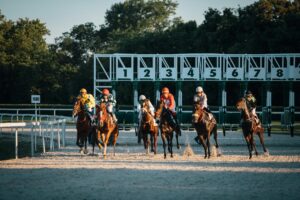

There is no current or verified “Del Mar Thoroughbred Club Safety Class Action” lawsuit on record. Despite extensive searching across legal databases and news sources, no class action lawsuit with this specific title or characterization has been filed against Del Mar Thoroughbred Club. This absence is noteworthy because Del Mar is actually recognized as one of the safest racetracks in the country, with industry-leading protocols for protecting both equine and human athletes. However, Del Mar has been involved in other litigation.
In 2019, trainer Jerry Hollendorfer reached a settlement with Del Mar in an individual lawsuit that was not a class action. More recently, a lawsuit was filed regarding the scratching of the racehorse White Abarrio from the 2025 Breeders’ Cup Dirt Mile, which named Del Mar among other defendants in Los Angeles Superior Court. These cases, while serious, differ significantly from a coordinated class action lawsuit affecting multiple parties. If you encountered the term “Del Mar Thoroughbred Club Safety Class Action” in reference to a specific case, it may be a mischaracterization of one of these other lawsuits, or it could refer to a proposed or dismissed claim that never gained traction. Understanding what actually happened at Del Mar—and what didn’t—is important for anyone researching thoroughbred racing litigation.
Table of Contents
- What Lawsuits Have Actually Involved Del Mar?
- Del Mar’s Actual Safety Record and Protocols
- The Hollendorfer Settlement and Individual Litigation
- The White Abarrio Lawsuit and Recent Del Mar Litigation
- Why Class Actions Don’t Always Materialize in Racing
- How to Verify Class Action Claims
- The Future of Racing Safety Litigation
- Conclusion
What Lawsuits Have Actually Involved Del Mar?
Del Mar Thoroughbred Club has faced legal challenges, but none formally classified as a “safety class action.” The most publicized recent case involves White Abarrio, a racehorse that was scratched from the 2025 Breeders’ Cup Dirt Mile. A lawsuit was filed in Los Angeles Superior Court related to this scratching, with Del Mar named as one of multiple defendants. This case centers on specific claims about the horse’s removal from the race and the circumstances surrounding that decision. The 2019 Hollendorfer settlement offers another example of Del Mar litigation, though on an individual rather than class basis.
Trainer Jerry Hollendorfer and Del Mar reached a settlement, concluding a dispute that had attracted industry attention. This settlement was a resolution between two parties rather than a coordinated class action involving multiple claimants. Class actions typically involve numerous plaintiffs with similar claims—for instance, multiple horse owners or workers alleging the same harm—whereas individual lawsuits involve single disputes. When researching Del Mar litigation, it’s important to distinguish between individual lawsuits, settlements, and potential class actions. The absence of a formalized “safety class action” doesn’t mean Del Mar has never faced challenges, but it does indicate that no widespread, multi-party safety claim has succeeded in court or reached settlement stage as a unified class action.
Del Mar’s Actual Safety Record and Protocols
Contrary to what a lawsuit title might suggest, Del Mar Thoroughbred Club operates some of the most rigorous safety standards in American thoroughbred racing. The track employs veterinarians stationed around the facility during morning workouts, providing immediate assessment and care if horses suffer injury or illness. This preventative approach—having medical professionals present during training—is an industry-leading practice that many other tracks have adopted or attempted to mirror. Del Mar’s safety protocols extend to human athletes as well. Jockeys, riders, and workers are protected by established procedures and equipment standards.
The track’s commitment to safety is documented in its published materials and industry recognition, which stands in contrast to the implication of a “safety class action” lawsuit. It’s worth noting that even tracks with strong safety records can face individual incidents or disputes; safety infrastructure doesn’t eliminate all risks, but it substantially reduces them. One limitation of safety protocols is that they are continuously evolving. What counts as “industry-leading” today may be surpassed by newer standards tomorrow. Del Mar’s demonstrated commitment to safety doesn’t guarantee that every incident will be prevented or that every safety concern will be resolved without legal action. Individual claims—like the White Abarrio lawsuit—can still arise even at facilities with strong overall safety records.
The Hollendorfer Settlement and Individual Litigation
The 2019 settlement between trainer Jerry Hollendorfer and Del Mar provides a concrete example of how disputes at the track can be resolved outside of class action frameworks. While details of the settlement were not widely publicized, its existence shows that Del Mar has faced legal claims serious enough to warrant settlement negotiations. This case demonstrates that litigation involving Del Mar is possible, but it also shows that such cases have historically been resolved individually rather than aggregated into class actions. Individual settlements like the Hollendorfer case often include confidentiality provisions, which limit public knowledge about the specifics of the dispute and the terms of resolution. This confidentiality is common in settlement agreements and means that the full scope of Del Mar’s legal disputes may not be entirely transparent.
Unlike class actions, which typically result in published claims procedures and public settlement documents, individual settlements can be concluded quietly, with limited information reaching the general public. The distinction between the Hollendorfer settlement and a hypothetical “safety class action” is significant. A settlement between one trainer and the track addresses that specific person’s grievance. A class action would aggregate similar claims from multiple parties—for example, several trainers or owners alleging similar safety failures. The absence of the latter suggests either that no widespread pattern of harm has been alleged or that claimants have pursued individual remedies rather than collective action.

The White Abarrio Lawsuit and Recent Del Mar Litigation
The White Abarrio lawsuit, filed in Los Angeles Superior Court regarding the 2025 Breeders’ Cup Dirt Mile scratching, represents the most recent notable litigation involving Del Mar. This case names Del Mar alongside other defendants and concerns the circumstances under which the horse was removed from the race. While this lawsuit attracted attention in thoroughbred racing circles, it remains a specific dispute rather than a class action. This case illustrates how racing litigation can emerge suddenly and capture public attention, even at tracks with strong safety reputations.
A single incident—in this case, a horse being scratched from a major race—can trigger legal action if parties believe wrongdoing occurred. However, one lawsuit does not constitute a class action pattern, and its existence does not validate the title “Del Mar Thoroughbred Club Safety Class Action.” For anyone tracking Del Mar litigation, the takeaway is clear: lawsuits involving the track do happen, but they occur on a case-by-case basis. The presence of recent litigation doesn’t indicate a systemic safety crisis, nor does it validate unsubstantiated claims about class actions that don’t appear to exist. Each lawsuit must be evaluated on its own merits and facts.
Why Class Actions Don’t Always Materialize in Racing
Class actions require several conditions to form: multiple claimants with similar injuries or harms, common questions of law or fact, and typically an attorney willing to invest in coordinating the claim. In thoroughbred racing, these conditions don’t always align, particularly around safety issues. Racing is an inherently high-risk sport for both horses and humans, and while accidents happen, they may not result in coordinated legal claims. One limitation of class action formation in racing is that many participants sign liability waivers or are bound by industry agreements that restrict their legal options.
Jockeys, owners, and trainers may be contractually limited in their ability to pursue certain claims or may be required to pursue disputes through arbitration rather than class litigation. These contractual barriers don’t prevent individual lawsuits like the Hollendorfer settlement, but they can prevent the aggregation of claims into a class. Additionally, establishing a clear pattern of negligence or safety failure sufficient to support a class claim requires significant evidence and legal argumentation. Simply having accidents at a track—even multiple accidents—doesn’t establish that the track failed in its duty of care. Del Mar’s demonstrated commitment to safety, including veterinary presence and established protocols, would likely make it harder (though not impossible) for plaintiffs to prove a widespread safety failure.
How to Verify Class Action Claims
When you encounter a reference to a specific class action lawsuit, particularly one with a straightforward, descriptive name like “Del Mar Thoroughbred Club Safety Class Action,” it’s reasonable to verify its existence. Legitimate class actions are typically documented in court records, legal databases like PACER (for federal cases) or state court systems, and covered by legal news sources. If you’re researching this particular case, searching legal databases should yield results if it exists.
The absence of results—as in this case—is meaningful information. It suggests either that the lawsuit was never filed, that it was filed under a different name, that it was dismissed early, or that the reference is simply inaccurate. Before making legal claims about a lawsuit or filing a claim yourself, verify that the lawsuit actually exists and understand its current status.
The Future of Racing Safety Litigation
As thoroughbred racing continues to evolve, safety remains a central concern for regulators, track operators, and animal welfare advocates. Whether future class actions emerge involving Del Mar or other tracks will depend on whether patterns of injury or harm can be documented and whether legal standards around track liability shift. Current litigation, including the White Abarrio case and any others in development, may influence how safety claims are litigated in the future.
Del Mar’s recognition as one of the safest racetracks in the country suggests that the track has invested significantly in safety infrastructure and protocols. However, safety standards are never static, and the industry continues to debate best practices. The absence of a “Del Mar Thoroughbred Club Safety Class Action” today doesn’t mean that future safety claims are impossible—but it does indicate that, to date, no widespread safety failure has been aggregated into a class claim at this facility.
Conclusion
There is no verified “Del Mar Thoroughbred Club Safety Class Action” lawsuit. While Del Mar has been involved in other litigation, including the 2019 Hollendorfer settlement and the recent White Abarrio lawsuit, neither of these cases has resulted in a formal class action.
Del Mar is actually recognized as one of the safest racetracks in the country, with protocols and resources dedicated to protecting both horses and riders. If you’re researching thoroughbred racing lawsuits or considering filing a claim related to an incident at Del Mar, verify the specific lawsuit by name, check legal databases for its current status, and consult with an attorney who specializes in racing or personal injury law. Understanding what cases actually exist—and what don’t—is essential before pursuing any legal claim or referencing a lawsuit as established fact.
You Might Also Like
- Santa Anita Park Horse Safety Class Action
- doTerra Essential Oils Pyramid Scheme Class Action
- Young Living Essential Oils Health Claims Class Action
Open Settlements You Can Claim Now
Browse current class action settlements accepting claims — several require no proof of purchase: