

The short answer is no — drivers cannot currently file a class action lawsuit claiming that war directly caused fuel inflation. War-driven fuel price spikes, whether from the 2022 Russian invasion of Ukraine or the February 2026 U.S.-Israeli attack on Iran, reflect supply disruption and geopolitical instability rather than corporate misconduct. Courts require plaintiffs to identify a defendant engaged in illegal behavior, and a foreign government disrupting oil markets through armed conflict does not create a viable cause of action against domestic fuel companies. That said, the financial pain is real: the national average gas price has climbed to approximately $3.54 per gallon as of early March 2026, up $0.62 — a 21% increase — in just one month following the Iran conflict.
What drivers can do, however, is watch for price manipulation that occurs in the shadow of war. History shows that some fuel trading companies have exploited crisis-driven volatility to artificially inflate prices beyond what supply and demand would justify. California’s $50 million settlement with Vitol, Inc. and SK Energy Americas in 2024 is a prime example of traders getting caught rigging spot market gasoline prices.
Table of Contents
- Why Can’t Drivers File a Claim That War Caused Fuel Inflation?
- How the Iran Conflict Is Driving Fuel Costs Beyond the Gas Pump
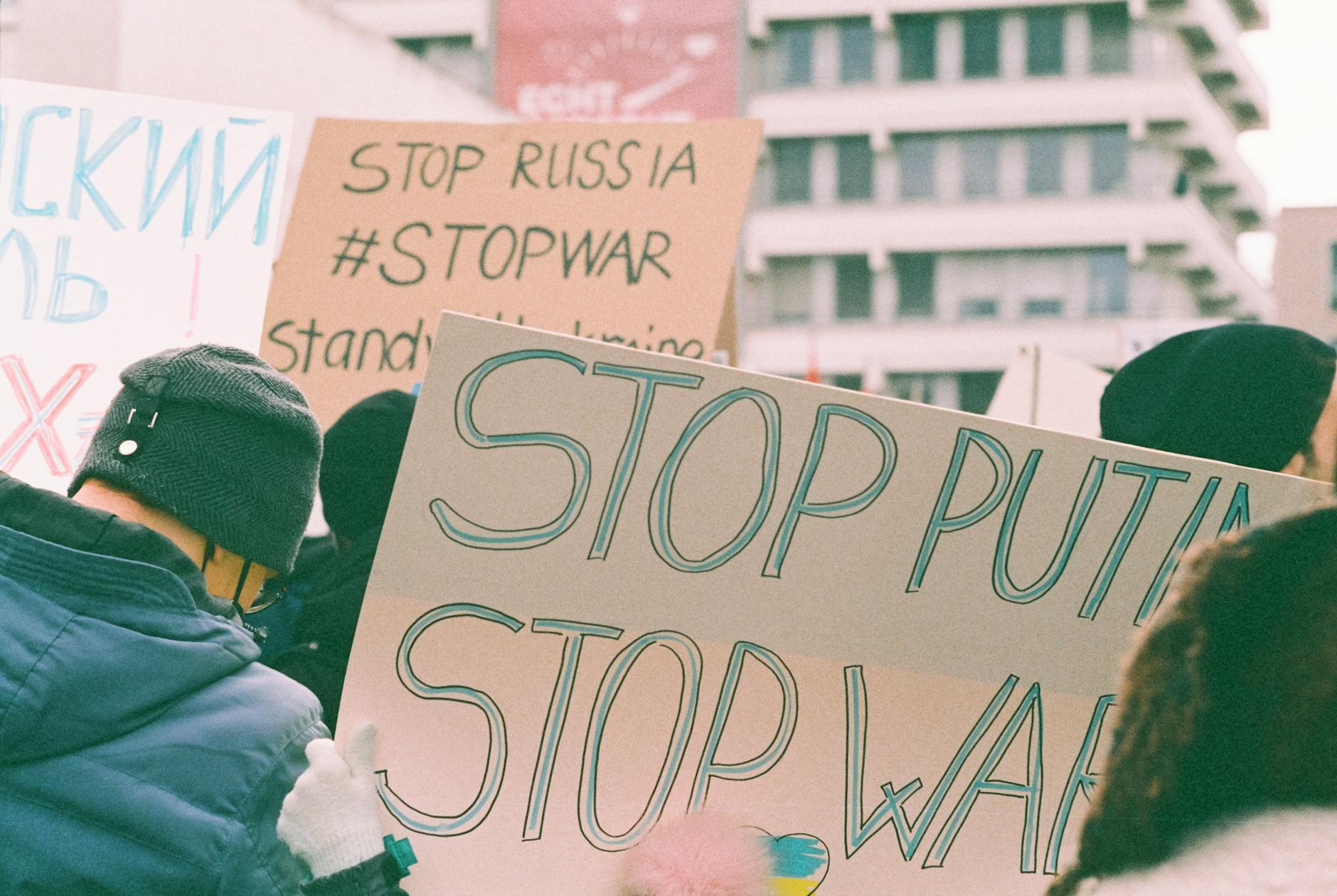
- What the Russia-Ukraine War Taught Us About Fuel Price Spikes and Legal Claims
- Where Drivers Actually Have Legal Recourse — Fuel Price Manipulation Settlements
- Why “Price Gouging” Claims During Wartime Are Harder Than They Sound
- How Fuel Surcharges and Indirect Costs May Trigger Future Consumer Actions
- What Drivers Should Watch for Through the Rest of 2026
- Frequently Asked Questions
Why Can’t Drivers File a Claim That War Caused Fuel Inflation?
class action lawsuits require a specific legal theory — typically fraud, price-fixing, antitrust violations, or breach of contract — directed at a defendant who broke the law. When Brent crude jumps from roughly $70 per barrel to $119.50 per barrel because a military conflict threatens supply routes through the Strait of Hormuz, that price increase reflects market forces responding to genuine supply risk. No court would hold ExxonMobil or Shell liable for the fact that a war broke out in the Middle East. The legal system distinguishes between legitimate price increases caused by external shocks and artificial price increases engineered by corporate defendants. Compare this with the California gas price manipulation case. There, state Attorney General Rob Bonta identified specific trading firms — Vitol and SK Energy Americas — that manipulated spot market gasoline prices in Southern California between February 20 and November 10, 2015.
The misconduct was not that prices went up, but that these firms deliberately distorted the market to push prices higher than they should have been. That distinction matters enormously in court. War causes prices to rise through a mechanism no private company controls. Price manipulation causes prices to rise because a company chose to cheat. One important caveat: just because war triggers the initial price spike does not mean every penny of the increase is legitimate. If fuel companies or traders use the fog of a geopolitical crisis to tack on extra margin, coordinate pricing, or manipulate benchmarks, those actions could give rise to antitrust or consumer protection claims. Drivers should not assume that every price increase during wartime is beyond legal challenge.

How the Iran Conflict Is Driving Fuel Costs Beyond the Gas Pump
The February 28, 2026 U.S.-Israeli attack on Iran sent shockwaves through global energy markets almost immediately. U.S. oil prices surged roughly 42%, climbing from around $67 per barrel to approximately $95 per barrel. Bloomberg reported that gas prices rose about 56 cents per gallon statewide in some regions and roughly 35 cents per gallon nationally within a single week. JPMorgan economists now estimate that U.S. inflation could rise from 2.4% in January to 3% or higher in the coming months, driven largely by the oil price surge. If crude averages around $100 per barrel for the rest of 2026, Fortune projects that CPI inflation could hit 3.5% by year-end, with gas prices potentially approaching $5 per gallon in the second quarter.
The impact extends well beyond the fuel pump. Jet fuel prices have doubled since the start of the conflict, and airline ticket prices have followed. PBS reported that a Newark-to-Quebec City flight nearly tripled in cost, reaching $1,499. Shipping companies are adding fuel surcharges that will raise prices on nearly all consumer goods, including food. The Center for American Progress has warned that these cascading costs will hit lower-income households hardest, since fuel and food consume a larger share of their budgets. However, if the conflict is resolved quickly or oil-producing nations increase output to compensate, these projections may not materialize. The February 2026 CPI report, released before the war’s effects fully hit, held steady — a reminder that economic data lags behind events. drivers should be cautious about making major financial decisions based on worst-case forecasts, while still preparing for several months of elevated prices regardless of how the conflict unfolds.
What the Russia-Ukraine War Taught Us About Fuel Price Spikes and Legal Claims
The 2022 Russian invasion of Ukraine provides a useful blueprint for understanding what the Iran conflict may bring. After Russia crossed into Ukraine, U.S. gas prices rose 83 cents to reach $4.32 per gallon, according to Cato Institute analysis. By June 2022, the producer price index for gasoline had jumped 85% year over year, based on Federal Reserve Bank of St. Louis data. Russia’s share of EU pipeline gas collapsed from roughly 40% in 2021 to about 6% by 2025, according to Euronews — a structural shift that permanently altered European energy markets.
Despite the severity of that price shock, no successful class action emerged claiming that the war itself caused unlawful fuel inflation. Lawsuits that were filed during that period targeted specific corporate behavior — alleged price gouging at the retail level, failure to pass through declining wholesale costs to consumers, and coordinated pricing among competitors. The legal system treated the war as a market event, not a basis for liability. What mattered was whether companies behaved lawfully in response to that event. The lesson for 2026 is clear. Drivers who feel they are being overcharged should focus not on the war as a cause, but on whether specific companies are exploiting wartime conditions to extract profits beyond what market conditions justify. State attorneys general, particularly in states with strong consumer protection statutes like California, are typically the first to investigate these patterns.
Where Drivers Actually Have Legal Recourse — Fuel Price Manipulation Settlements
The most relevant legal precedent for drivers seeking compensation is not a war-related claim at all, but the California gas price manipulation settlement announced in July 2024. Attorney General Bonta secured $50 million from Vitol, Inc. and SK Energy Americas after investigators determined these trading firms had manipulated spot market gasoline prices. The settlement covers gasoline purchased in Southern California counties between February 20 and November 10, 2015. Eligible drivers can file claims through the official settlement site at calg.calgaslitigation.com.
A separate group of California gasoline firms settled price manipulation claims for nearly $14 million, according to Courthouse News. These cases illustrate an important tradeoff for consumers: individual payouts from fuel settlements tend to be modest because the affected class is enormous — millions of drivers who bought gas over a multi-month period. A $50 million settlement spread across millions of eligible consumers may yield only a few dollars per person. But the deterrent value is significant: companies that know they face nine-figure liability for manipulation are less likely to engage in it. Drivers outside California should monitor their own state attorney general offices for similar investigations. Fuel price manipulation is not unique to one state, and the current period of price volatility creates exactly the conditions under which trading firms have historically pushed boundaries.
Why “Price Gouging” Claims During Wartime Are Harder Than They Sound
Many drivers instinctively feel that a 21% price increase in a single month constitutes gouging, and some states do have price gouging statutes that cap price increases during declared emergencies. The problem is that most price gouging laws are triggered by a declared state of emergency — typically a natural disaster — and not all states treat a foreign military conflict as a qualifying event. Even in states with broad gouging statutes, proving that a gas station or fuel distributor charged more than the allowable markup requires showing that the wholesale cost increase does not justify the retail price change. During the 2022 Ukraine crisis, several state attorneys general opened price gouging investigations, but few resulted in enforcement actions.
The challenge is that when crude oil prices genuinely spike 42% as they have following the Iran conflict, a proportional increase at the pump is not gouging — it is the market functioning as designed, even if the result is painful. Gouging occurs when retailers or distributors increase their margin disproportionately to their increased costs. Drivers who suspect gouging should document prices at specific stations over time and report concerns to their state attorney general’s consumer protection division. Complaints are most useful when they show a pattern: a station whose prices rose faster than competitors in the same area, or a station that did not reduce prices when wholesale costs declined.

How Fuel Surcharges and Indirect Costs May Trigger Future Consumer Actions
One area where legal claims could emerge in the coming months is fuel surcharges. As shipping companies raise surcharges in response to the Iran war, those costs will be passed through to consumers on everything from groceries to construction materials.
If companies impose surcharges that exceed their actual increased fuel costs, or if they fail to remove surcharges after fuel prices decline, those practices could form the basis of consumer protection claims. This pattern played out after the 2022 fuel spike, when some carriers and retailers were accused of maintaining “temporary” surcharges long after the underlying cost pressure had eased. Consumers and business customers who can demonstrate that a surcharge was not tied to actual fuel cost increases have a stronger legal footing than those challenging the base price of fuel itself.
What Drivers Should Watch for Through the Rest of 2026
The months ahead will be defined by two competing forces: the genuine supply disruption caused by the Iran conflict and the temptation for some market participants to exploit that disruption for outsized profits. If oil prices remain near $100 per barrel, the economic pressure on consumers will intensify — Fortune’s projection of $5 per gallon gas in the second quarter of 2026 is not alarmist given current trajectories.
But if a ceasefire or diplomatic resolution emerges, prices should recede, and the speed at which pump prices fall relative to crude prices will be a key indicator of whether companies are behaving competitively. Drivers should stay informed through official sources, track settlement opportunities in existing cases like the California gas manipulation settlement, and report suspected price manipulation to state regulators. War may not give rise to a lawsuit, but the corporate behavior that follows war sometimes does.
Frequently Asked Questions
Can I join a class action lawsuit over high gas prices caused by the Iran war?
Not for the war itself. Class actions require a defendant who engaged in illegal conduct such as price-fixing or market manipulation. War-driven supply disruption is not corporate misconduct. However, if companies exploit the crisis to manipulate prices, those actions could become the basis for future lawsuits.
Am I eligible for the California gas price manipulation settlement?
If you purchased gasoline in Southern California counties between February 20 and November 10, 2015, you may be eligible. Claims can be filed through the official site at calg.calgaslitigation.com. The $50 million settlement was reached with Vitol, Inc. and SK Energy Americas.
How much could gas prices rise because of the Iran conflict?
If oil averages around $100 per barrel through 2026, gas prices could approach $5 per gallon during the second quarter, according to Fortune. JPMorgan economists estimate inflation could rise from 2.4% to 3% or higher in the coming months.
What is the difference between a war-driven price increase and price gouging?
A war-driven increase reflects genuine supply disruption — crude oil rose roughly 42% after the Iran conflict began. Price gouging occurs when retailers or distributors increase their margins disproportionately to their actual cost increases. Many state gouging laws only apply during declared emergencies, and foreign conflicts may not qualify.
Where should I report suspected gas price manipulation?
Contact your state attorney general’s consumer protection division. Document specific prices, dates, and station locations. Reports are most effective when they show a pattern of pricing that diverges from competitors in the same area.