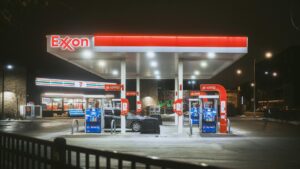

Yes, consumers can and do recover fuel-related expenses through class action settlements, and several active cases right now offer real money back for overcharges, price manipulation, and defective fuel systems. In California alone, a $50 million settlement with gas trading firms Vitol Inc. and SK Energy Americas began paying out to drivers in April 2025 after the state attorney general proved those companies manipulated gasoline prices following a 2015 refinery explosion. That is just one example among several current and recent settlements that put cash back in consumers’ pockets for fuel costs they should never have paid.
The avenues for recovery range broadly. Some settlements target fuel surcharge fees that companies tacked onto invoices as hidden profit. Others address gasoline price-fixing schemes that inflated what drivers paid at the pump. Still others compensate for defective fuel system components that forced vehicle owners into expensive repairs.
Table of Contents
- How Can Consumers Recover Fuel Expenses Through Class Action Settlements?
- California’s $50 Million Gas Price-Fixing Settlement and What It Means for Drivers
- The Delta Flight DL89 Fuel Dump Case — $78.75 Million for Affected Residents
- Recovering Costs from Defective Fuel Systems — The GM CP4 Fuel Pump Settlement
- Utility Rate Overcharges — Fuel Expenses Beyond the Gas Pump
- Fuel Surcharge Litigation That Is Still Ongoing
- What the Future Holds for Fuel Expense Recovery
- Frequently Asked Questions
How Can Consumers Recover Fuel Expenses Through Class Action Settlements?
The most direct path to recovering fuel expenses is through class action settlements where courts have already determined that consumers were overcharged or harmed. These cases typically fall into three categories: fuel surcharge fraud, gasoline price-fixing, and defective fuel system components. Each category has produced settlements worth tens of millions of dollars in recent years, and some still have open claim windows. Take the US Foods fuel surcharge settlement as a concrete example. Customers who paid fuel surcharges or similar fees to US Foods between August 31, 2013 and October 26, 2018 may be eligible for compensation.
Lawsuits filed across five states — Georgia, Florida, North Carolina, Arkansas, and California — alleged that US Foods improperly used “fuel surcharges” as a hidden profit mechanism rather than passing along actual fuel cost increases. The cases were consolidated, and a settlement was approved by the Superior Court of Dougherty County, Georgia. Details are available at fuelchargefeesettlement.com. What makes fuel surcharge cases particularly noteworthy is how widespread the practice appears to be. Law firm PriceArmstrong is actively pursuing class actions against companies using fuel surcharge fees as hidden profit and has recovered tens of millions of dollars for consumers. Anyone who has been charged a “fuel surcharge,” “energy surcharge,” “fuel recovery fee,” or similar fee on an invoice should consider whether the charge reflected actual fuel costs or was simply an added margin disguised under a fuel-related label.

California’s $50 Million Gas Price-Fixing Settlement and What It Means for Drivers
One of the largest recent fuel recovery cases involved outright price manipulation. California Attorney General Rob Bonta secured a $50 million settlement with Vitol Inc. and SK Energy Americas after an investigation revealed the firms exploited a February 2015 refinery explosion in Torrance, California, to artificially inflate gasoline prices. Of that total, $37.5 million was allocated directly to consumer payments, while $12.5 million went toward penalties under California’s Unfair Competition Law. Eligibility was limited to California residents who purchased gas in Los Angeles, San Diego, Orange, Riverside, San Bernardino, Kern, Ventura, Santa Barbara, San Luis Obispo, and Imperial counties between February 20 and November 10, 2015.
The claims deadline closed on January 8, 2025, and payments began disbursing around April 29, 2025. If you filed a claim before the deadline, you should expect or may have already received payment. However, if you missed the filing window, there is no mechanism to submit a late claim for this particular settlement. This highlights an important limitation of class action recovery: deadlines are rigid. Consumers who are not actively monitoring open settlements can easily miss their chance, even when they were directly harmed by the conduct in question. Signing up for settlement notification services and checking official attorney general websites regularly is one of the few reliable ways to stay informed.
The Delta Flight DL89 Fuel Dump Case — $78.75 Million for Affected Residents
Not all fuel expense recovery involves what consumers paid at a gas station or on an invoice. The Delta Flight DL89 settlement addresses a different kind of fuel-related harm entirely. On January 14, 2020, a Delta aircraft jettisoned fuel over communities near Los Angeles International Airport, affecting residents, schoolchildren, and workers on the ground below. The resulting class action produced a total settlement of $78.75 million. Residents who were in the affected area during the fuel dump may have qualified for compensation.
The claim forms deadline was February 6, 2026. This case is worth noting because it demonstrates that fuel-related harm extends beyond pricing — physical exposure to jet fuel carries health risks and property damage that courts have recognized as compensable. Settlement details were available through openclassactions.org. The DL89 case also serves as a reminder that environmental and health-related fuel incidents can produce substantial settlements. If you live near airports, refineries, or fuel transportation corridors and experience an incident involving fuel exposure, documenting the event and seeking legal consultation promptly can be critical to preserving your right to compensation down the road.
Recovering Costs from Defective Fuel Systems — The GM CP4 Fuel Pump Settlement
Vehicle owners face a different but equally frustrating fuel expense problem when a manufacturer sells them a truck with a fuel system that fails prematurely. General Motors settled a class action over defective CP4 fuel pumps installed in Chevrolet Silverado and GMC Sierra diesel trucks. The CP4 pump, widely criticized for its vulnerability to contamination from variations in American diesel fuel quality, could fail catastrophically and damage the entire fuel injection system — a repair bill that often ran into thousands of dollars. The GM settlement includes a Partial Repair Reimbursement Program covering 50 percent of repair or replacement costs at GM-authorized dealerships. The program remains active until May 6, 2026, or until the vehicle reaches 200,000 miles, whichever comes first.
While 50 percent reimbursement is better than absorbing the full cost, it is worth noting this is a compromise. Owners who already paid out of pocket for the full repair before the settlement may want to gather their receipts and contact the settlement administrator about retroactive reimbursement options. The tradeoff here is clear. Going through the settlement’s authorized dealership program means accepting the 50 percent cap but gaining certainty of payment. Some vehicle owners who pursued individual lawsuits or lemon law claims before the class settlement may have recovered more — or less — depending on their state’s consumer protection statutes and the specifics of their case. For most owners, the class settlement offers a straightforward if imperfect recovery path.
Utility Rate Overcharges — Fuel Expenses Beyond the Gas Pump
Fuel expenses are not limited to gasoline and diesel. Natural gas rates directly affect household energy bills, and when a utility company overcharges, the cumulative impact on consumers can be enormous. The Massachusetts Attorney General secured a settlement with Eversource Energy saving ratepayers up to $45 million on electric and gas rates. NSTAR Electric customers are set to receive approximately $20 million in credits beginning January 1, 2026, while Eversource Gas of Massachusetts customers are projected to see $25 million or more in annual savings from rate resets. One important limitation: utility rate settlements typically deliver relief through bill credits or prospective rate reductions rather than lump-sum cash payments.
That means consumers do not receive a check in the mail — instead, their future bills decrease. While the financial benefit is real, it can feel less tangible, and customers who switch providers before the credits are fully applied may not capture the full value. Consumers in other states facing similar utility overcharges should watch for proceedings before their state’s public utility commission or attorney general’s office. Utility rate cases tend to move slowly through regulatory channels, and the recovery mechanisms differ significantly from traditional class action settlements. But the dollar amounts involved are often substantial, making them worth tracking.

Fuel Surcharge Litigation That Is Still Ongoing
Beyond the settled cases, active litigation continues to target the fuel surcharge practices of various companies. PriceArmstrong and other firms are pursuing cases against businesses that apply fuel surcharges, energy surcharges, or fuel recovery fees as line items on customer invoices when those charges do not reflect actual fuel costs. The argument is straightforward: if a company labels a charge as fuel-related but pockets the money as profit, that is deceptive.
If you are a business customer who has paid recurring fuel surcharges to a vendor or supplier, reviewing your invoices is a worthwhile exercise. Compare the surcharge amounts to actual fuel price fluctuations during the same period. A surcharge that never decreases — even when diesel and gasoline prices drop — is a red flag that may indicate the fee is a profit center rather than a legitimate cost pass-through.
What the Future Holds for Fuel Expense Recovery
The landscape for fuel expense recovery is expanding rather than contracting. As fuel prices remain volatile and consumers grow more skeptical of opaque surcharges, attorneys general and private law firms are both increasing scrutiny on fuel-related pricing practices. California’s successful $50 million recovery against Vitol and SK Energy Americas has set a template that other states may follow when investigating gasoline price manipulation in their markets.
On the vehicle defect side, the problems with CP4 fuel pumps and similar components in diesel trucks remain an active area of litigation beyond the GM settlement. Other automakers using the same pump design could face similar claims. Meanwhile, the growing adoption of electric vehicles will eventually shift the nature of “fuel expense” disputes toward electricity rate manipulation and charging infrastructure fees — a new frontier that consumer advocates are already watching closely.
Frequently Asked Questions
How do I know if I qualify for a fuel-related class action settlement?
Eligibility depends on the specific settlement. Generally, you need to have been a customer, resident, or vehicle owner within the defined time period and geographic area. Check the official settlement website for each case to review the exact criteria and determine whether you fall within the class definition.
What is the deadline to file a claim for the GM CP4 fuel pump settlement?
The GM Partial Repair Reimbursement Program is active until May 6, 2026, or until the vehicle reaches 200,000 miles. You must have the repair performed at a GM-authorized dealership to receive the 50 percent reimbursement.
Can I still get money from the California gas price-fixing settlement?
The claims deadline for the Vitol and SK Energy Americas settlement closed on January 8, 2025. If you filed before that date, payments began disbursing around April 29, 2025. Late claims are not being accepted.
What should I do if I notice suspicious fuel surcharges on my invoices?
Document the charges over time and compare them to actual fuel price trends. If the surcharges remain constant or increase regardless of fuel market conditions, contact a consumer attorney or a firm like PriceArmstrong that specializes in fuel surcharge class actions to evaluate whether you may have a claim.
Are utility rate settlements the same as class action settlements?
Not exactly. Utility rate cases often go through state regulatory bodies and attorneys general rather than traditional class action litigation. The relief typically comes as bill credits or future rate reductions rather than direct cash payments, but the financial impact can be significant — as seen in the $45 million Eversource settlement in Massachusetts.