

If you filed a claim for the Cash App data breach settlement, payments are actively being distributed as of March 2026, with digital payments expected to complete by April 2026. Claimants who provided bank account information or Zelle details are receiving their funds through weekly batches, while those who opted for paper checks should expect payments to arrive later. The $15 million settlement from Bottoms v.
Block, Inc. (the company behind Cash App) covers individuals who experienced the 2023 security incident, and approved claimants are being paid based on their documented losses or a pro-rata share if the fund is insufficient. This article explains exactly where the payment process stands, what amounts you should expect, and what to do if your payment is delayed.
Table of Contents
- What Is the Current Cash App Data Breach Settlement Payment Status?
- How Much Will Claimants Actually Receive?
- The Separate Text Message Settlement—an Additional Payment
- What Should You Do If You Haven’t Received Your Payment Yet?
- Common Delays and Why Some Claimants Are Waiting Longer
- Understanding the Official Settlement Resources
- What Happens Next and Timeline for Completion
What Is the Current Cash App Data Breach Settlement Payment Status?
As of March 2026, the Cash App data breach settlement is in the active distribution phase. The settlement administrator has been issuing payments in weekly batches to approved claimants since the distribution began, and digital payments via direct deposit or Zelle are on track to be completed by April 2026. This timeline represents a significant milestone because it means the majority of claimants will have received their full settlement funds before the end of the second quarter of 2026—roughly two years after the claim deadline closed on November 18, 2024.
The payment method matters significantly for timing. Claimants who submitted direct deposit or Zelle information during their claim filing are in the priority queue and should receive funds within the April 2026 window. Paper checks, by contrast, may take longer to process and arrive, depending on mail delivery times and any address issues on file. If you opted for a paper check and haven’t received it by mid-April, you may want to check the official settlement website for your claim status before assuming the payment is lost.
How Much Will Claimants Actually Receive?
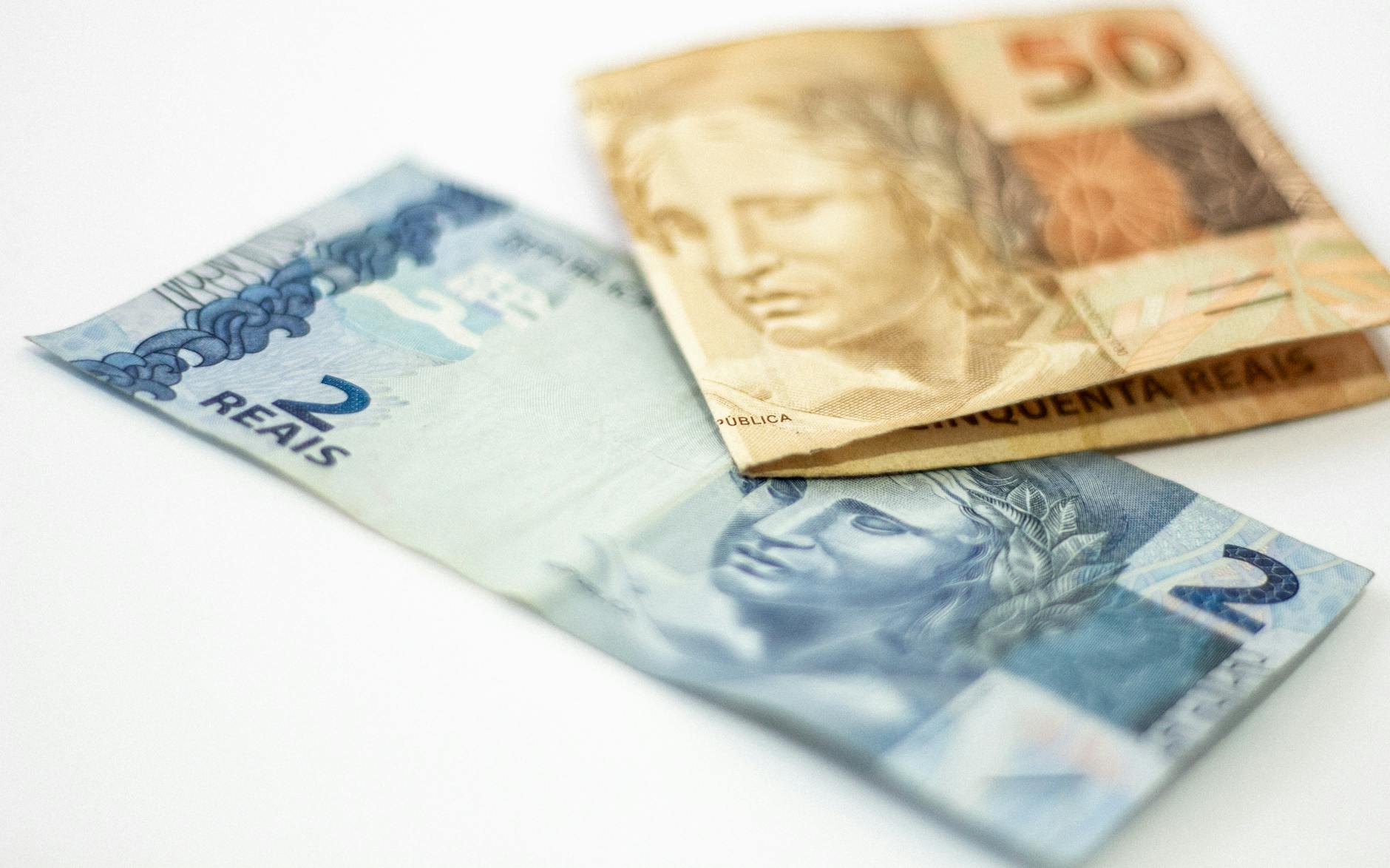
The amount each claimant receives depends on how the settlement fund is distributed among all approved claims. The settlement is capped at $15 million, so payment amounts vary based on whether the fund fully covers all validated claims. For claimants who submitted documentation of out-of-pocket losses—such as fraudulent charges, replacement card fees, or money recovered from their account—the maximum recovery is up to $2,500. However, not all claimants will reach this maximum.
Those without documented losses or sufficient documentation will receive a pro-rata share if the settlement fund cannot cover all claims, which is estimated between $88 and $147 per person, depending on how many approved claims are submitted. It’s important to understand that the documentation requirement directly impacts your recovery amount. For example, if you were able to provide receipts or bank statements showing that you suffered $500 in fraudulent charges and successfully disputed them, your claim would be valued at that amount (up to the $2,500 cap). But if you filed a claim without supporting documentation, you’re automatically placed in the general class and will receive only the pro-rata share. This is why the settlement website and claim process specifically asked for documentation—it directly determines whether you get hundreds of dollars or possibly over a thousand.
The Separate Text Message Settlement—an Additional Payment
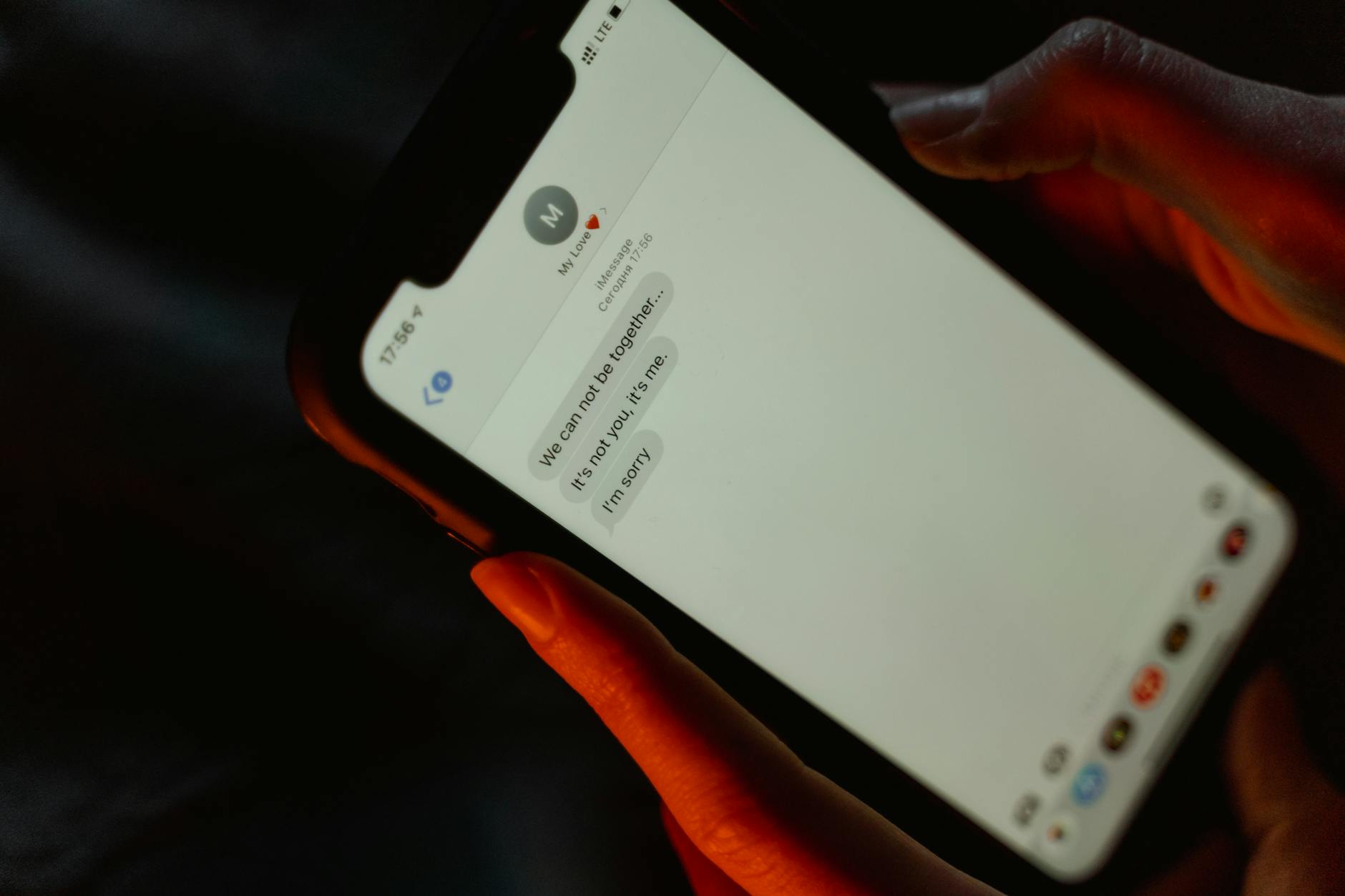
Alongside the data breach settlement, Block, Inc. (Cash App’s parent company) settled a completely separate lawsuit over unsolicited referral text messages. This $12.5 million settlement covers Washington state residents who received Cash App promotional texts between November 14, 2019 and August 7, 2025 without affirmative consent.
The payment for this settlement is fixed: $394.36 per approved claimant, and payments began on February 2, 2026. If you live in Washington state and received those promotional texts, you may be eligible for both settlements—the data breach settlement and the text message settlement. These are tracked separately, so a claimant could potentially receive up to $2,500 from the data breach settlement plus $394.36 from the text settlement if they qualify for both. The text message settlement is already in progress, so Washington residents should monitor their accounts and mail for these payments if they submitted claims for this settlement as well.
What Should You Do If You Haven’t Received Your Payment Yet?
If you filed a claim by the November 18, 2024 deadline and haven’t received payment by early April 2026, the first step is to check your claim status directly on the official settlement website at cashappsecuritysettlement.com. The settlement administrator maintains a status tool where you can enter your claim information and see whether your claim was approved, rejected, or is pending. This is faster and more accurate than contacting support, and it will tell you immediately whether the delay is on your end or a system issue. If your claim shows as approved but you haven’t received funds, check whether the payment method on file is still valid.
Email addresses change, bank accounts are closed or updated, and Zelle handles can expire. If you provided a bank account for direct deposit and that account has since been closed, the settlement administrator may not be able to deliver your payment. You can often update your payment information through the settlement website’s claim portal, or contact the settlement administrator directly if the online tool doesn’t allow updates. Paper check recipients should verify that the mailing address on file is current before assuming the check was lost in transit.
Common Delays and Why Some Claimants Are Waiting Longer
Even though most digital payments should be completed by April 2026, some claimants experience delays due to incomplete or outdated information on file. Documentation issues are common—if you submitted a claim for documented losses but the settlement administrator couldn’t verify your supporting documents (because they were unclear, the timestamp didn’t match the breach date, or they simply weren’t processable), your claim may be flagged for review before payment is released. These verification holds can take additional time because the administrator must contact you for clarification.
Another reason for delays is a mismatch between the email address or phone number you provided during claim filing and your current contact information. If the settlement administrator tries to send you a notification about a payment issue or a request for additional documents, but they’re using an old email, you won’t see the message and your payment may remain stuck in a verification queue. Checking the official settlement website regularly—not just waiting for an email or check to arrive—is the most reliable way to catch these issues early and provide the missing information quickly.
Understanding the Official Settlement Resources
Block, Inc. (formerly Square) has set up specific resources for both settlements to help claimants stay informed. For the data breach settlement, the official site is cashappsecuritysettlement.com, which includes a claim status tool, payment timing updates, and a FAQ section.
Cash App also maintains information at cash.app/help/1625-cash-app-cfpb-settlement for consumers who want additional context about the CFPB involvement and regulatory background. The text message settlement information is available at bottomstextsettlement.com. Using these official resources ensures you’re reading accurate, up-to-date information directly from the settlement administrator—not speculation or outdated information from other sites.
What Happens Next and Timeline for Completion
By May 2026, the vast majority of Cash App data breach settlement payments should be complete, assuming no unexpected legal challenges or processing issues emerge. Paper check recipients may still be receiving payments into June depending on postal delays, but the main distribution push is expected to conclude by the end of April. From a practical standpoint, if you haven’t received your payment by May 1, 2026, something has likely gone wrong and you should investigate rather than continue waiting.
Looking forward, both settlements represent the end of a significant legal chapter for Cash App users affected by the 2023 data breach and the CFPB’s enforcement action over customer service practices. While settlement payments don’t undo the inconvenience and risk exposure of a data breach, they do provide financial compensation for documented harm. Once these distributions are complete, the focus for Cash App users should shift to account security—enabling two-factor authentication, monitoring transaction history regularly, and considering whether alternative payment apps or digital wallets offer features that make you more comfortable managing your money.