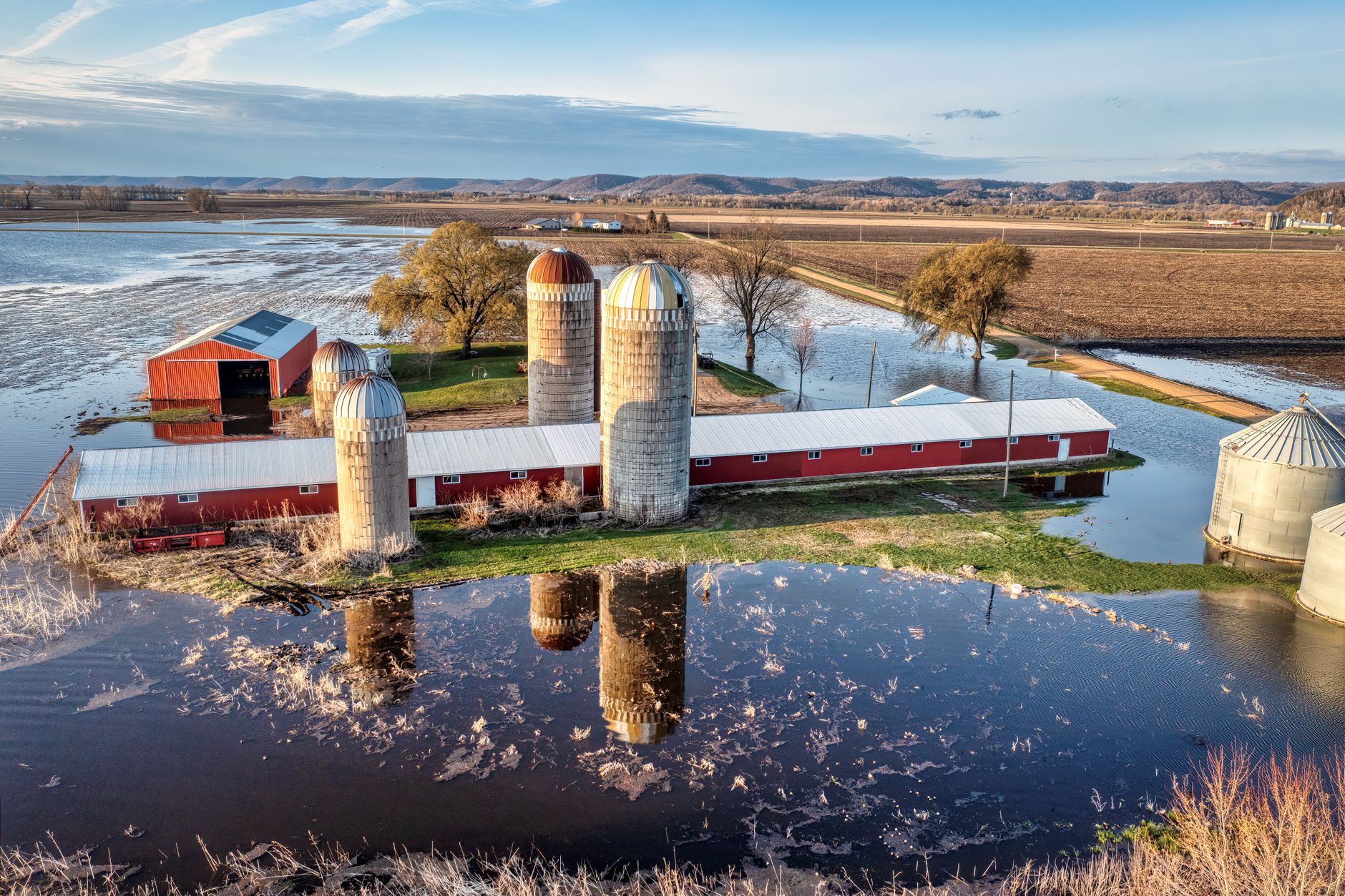
Yes, you can sue for flood damage after a levee failure report, but the report alone does not win the case. The right defendant and legal theory depend on who built, owned or maintained the levee. A levee is a raised barrier built to hold back flood water. A failure or inspection report describes what broke or looked unsafe, not who must pay for the damage.
Table of Contents
- Who can you sue?
- Why are suits against the United States harder?
- What deadlines control a federal claim?
- What must you prove beyond the report?
Who can you sue?
Property owners can sue after a levee failure, but the target matters. According to the Congressional Research Service, federal suits face sovereign immunity, while state and local districts face negligence, dangerous-condition or inverse-condemnation claims in the federal levee liability analysis.
That means you must trace control of your levee segment. For example, a county flood district that maintained the levee faces different rules than the Army Corps of Engineers.
Why are suits against the United States harder?
Federal law creates a broad shield for flood damage. The House Office of the Law Revision Counsel quotes Section 3 of the Flood Control Act of 1928 as stating that no liability of any kind shall rest upon the United States for flood damage in the text of 33 U.S.C.
section 702c. That shield does not end every case, but it narrows the path. State and local owners do not have the same federal shield and are more often sued for poor maintenance or unsafe condition.
What deadlines control a federal claim?
Before suing the United States, a flood victim must present a written administrative claim on Standard Form 95 to the responsible federal agency within two years after accrual. As described by the Justia Personal Injury Law Center, the victim must then file in federal court within six months after denial in the Federal Tort Claims Act guide.
State and local claims have their own tort-claim notice deadlines. Those deadlines are often much shorter than normal lawsuit deadlines, so check the public agency form and date stamp immediately.
What must you prove beyond the report?
A failure or inspection report alone does not create liability. According to the California Legislative Analyst's Office, plaintiffs must still prove defect, causation, ownership or control, and notice in the state flood liability review. To protect a possible claim, take these steps now:.
- Save the failure report, photos, videos, repair bills and insurance papers
- Request maintenance, inspection and complaint records for your levee segment
- Write down flood depth, timing, water path and contacts with officials
- Calendar every federal, state and local claim deadline and keep proof of filing