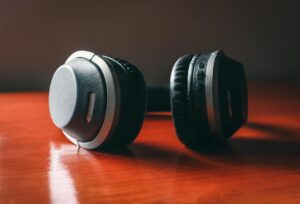

There is currently no active Bose Noise Cancelling Headphones settlement accepting customer claims with verified compensation amounts. However, a significant class action lawsuit filed in 2017 against Bose could result in a future settlement. The Kyle Zak class action alleges that Bose’s Connect mobile app illegally collected and shared customers’ listening data with third parties without consent—a privacy violation that affected hundreds of thousands of headphone owners. This article explains the status of that case, what customers might be eligible to claim if and when a settlement is approved, and how to monitor for updates.
The Bose Connect privacy lawsuit has not yet reached a finalized settlement that distributes compensation to affected customers. Unlike many class actions that resolve within a few years, this case has been ongoing since 2017, which is not uncommon for complex privacy litigation. If you purchased Bose noise-cancelling headphones and used the Connect app during the period the lawsuit covers, you may eventually be part of the class—but settlement details remain uncertain at this time.
Table of Contents
- What Is the Bose Connect Privacy Lawsuit About?
- Current Status of the Case—Why No Settlement Yet?
- What Could Customers Claim If a Settlement Is Approved?
- How to Verify Your Eligibility for a Future Settlement Claim
- What Should You Do Right Now?
- The Broader Context of Bose Privacy Issues
- Looking Ahead—What Could Happen Next
What Is the Bose Connect Privacy Lawsuit About?
In 2017, Kyle Zak filed a class action lawsuit in federal court alleging that Bose’s mobile app—the Connect application used to control Bose headphones and speakers—collected detailed information about customers’ listening habits and shared that data with third parties without explicit consent. According to reporting by The Washington Post and privacy security researchers, the app tracked what customers listened to, when they listened, and allegedly shared this information with marketing and analytics companies. For many users, this was a surprise; many people don’t expect their headphone usage to be monitored in this way, particularly without clear notification from Bose.
The lawsuit demanded at least $5 million in damages on behalf of the class. The allegation centered on Bose’s privacy practices with its mobile app—not the quality or performance of the headphones themselves. This distinction is important because if you owned Bose noise-cancelling headphones but never installed or used the Connect app, you would not be part of this particular lawsuit. However, if you used the app to adjust noise-cancelling settings, manage Bluetooth connections, or access any of the app’s features, you would likely qualify as a class member if the case eventually settles.
Current Status of the Case—Why No Settlement Yet?
As of early 2026, the Bose Connect privacy lawsuit has not reached a final settlement that distributes money to customers. This does not mean the case has been dismissed or decided in Bose’s favor; rather, it remains in litigation. Privacy class actions often take longer to resolve than other types of lawsuits because they involve complex questions about data collection practices, damages calculations, and regulatory compliance. The lawsuit is still moving through the courts, and either party could reach a settlement agreement, pursue trial, or seek other legal remedies.
However, if you were not part of the original 2017 case filing, you should be cautious: class actions have claim deadlines. If and when this lawsuit does settle, there will be a limited window to submit a claim form to receive any compensation. Missing a deadline means losing your right to participate, even if you were clearly affected by the alleged privacy violations. This is why it’s important to stay informed about the case status rather than assume you’ll be notified automatically.
What Could Customers Claim If a Settlement Is Approved?
If the Bose Connect lawsuit eventually settles, eligible customers could receive compensation through the settlement distribution process. The exact amount per person would depend on several factors: the total settlement fund size, the number of valid claims submitted, and whether the court approves how the money is divided. Typically, class action settlements in privacy cases result in modest per-person payments—often ranging from $5 to $50 per person, though this varies widely depending on the case details and how many people submit claims.
A settlement would also likely require Bose to change its data collection and privacy practices going forward. Many privacy settlements include injunctive relief, meaning Bose would be required to modify the Connect app’s data sharing practices or provide clearer disclosure to users about what data is collected. If a settlement includes this type of relief, it could be valuable even if the direct monetary payout per person is small—because it improves privacy protection for everyone using the service moving forward. Some settlements also establish cy pres awards, where unclaimed settlement funds are donated to privacy advocacy organizations, though this benefits the public rather than individual claimants.

How to Verify Your Eligibility for a Future Settlement Claim
To be eligible for the Bose Connect lawsuit settlement (when and if it settles), you would typically need to prove that you: (1) purchased Bose noise-cancelling headphones or related products, and (2) downloaded and used the Connect mobile app during the time period the lawsuit covers. The exact claim period will be defined in the settlement agreement once one is reached. Some settlements are very broad (covering anyone who owned the product at any point), while others are narrower (covering only purchases during a specific date range). Documentation you should preserve includes purchase receipts, app download records from your phone’s app store, and account information associated with the Connect app.
Keep in mind that not all Bose headphones required the Connect app—some models worked via standard Bluetooth without the app. However, if you used the app even occasionally, you would generally be included. This is one area where many people are unclear: you don’t need to have actively used the app every day to be part of the class. A single installation and use typically qualifies you. If you’re uncertain whether you used the Connect app, check your phone’s settings or app store account history to see if the app appears in your download list.
What Should You Do Right Now?
Currently, the best action is to monitor official sources for updates about this lawsuit. You can check the Federal Courts’ PACER system (Public Access to Court Electronic Records) to search for the case docket and see the latest filings and court decisions. This will tell you definitively whether a settlement has been reached, when claim deadlines are, and where to submit claims. PACER is free for basic searches and is the most reliable source of information about federal court cases.
Simply search for the case name “Zak v. Bose” to find current status updates. Do not rely on third-party settlement websites that promise easy claims or potential payouts—some of these sites charge fees or spread misleading information. Instead, go directly to official sources: the PACER system, Bose’s official website, the court’s official settlement notice (if a settlement is approved), or a legitimate class action law firm representing the class. Be wary of any website claiming a settlement is active right now without being able to provide a settlement agreement or claim portal.
The Broader Context of Bose Privacy Issues
The Bose Connect privacy allegations are part of a larger pattern of mobile app privacy concerns that became prominent in the mid-2010s. Other tech companies faced similar privacy lawsuits around the same time for collecting more data than users expected through companion apps.
For Bose specifically, the Connect app issue highlighted a disconnect between hardware manufacturers and their software practices—many people buy a physical product like headphones for its audio quality, but they don’t fully anticipate how the associated app collects their behavior data. Bose eventually updated its privacy practices and provided clearer disclosures about data collection in the Connect app, but whether these changes resulted from the lawsuit pressure or were planned improvements is unclear. This case demonstrates why it’s important for consumers to review app permissions and privacy policies before installing tools to control their hardware, and why class actions—even when they take years to resolve—can drive real changes in corporate behavior.
Looking Ahead—What Could Happen Next
The Bose Connect case could resolve in several ways over the coming months or years. The most likely scenarios are: (1) the parties reach a settlement agreement that is submitted to the court for approval, triggering the claim process for customers; (2) the case proceeds to trial, with an eventual judgment that may or may not be appealed; or (3) the case is dismissed through a motion, though this seems less likely given the privacy allegations involved. Any of these outcomes could take additional time.
Privacy litigation is not fast-moving, and it’s not unusual for cases like this to take five or more years from filing to final resolution. If you believe you were harmed by Bose’s data collection practices, staying informed is your best defense against missing a claim deadline. Set a reminder to check the PACER system every few months, or contact a law firm that specializes in class actions if you want someone else to monitor the case for you. Some firms will notify clients if a settlement is approved at no upfront cost—they only earn a fee if the settlement is approved and money is distributed.
You Might Also Like
- HP Printer Ink Subscription Lawsuit Settlement Update What Customers Could Receive
- YouTube Ads Lawsuit Settlement What Viewers Could Be Eligible For
- Sony Headphones Battery Lawsuit Settlement Explained Payment Timeline