
If you submitted a claim in the ATM Class Action lawsuit, your payment has been delayed, but for a very specific reason: the court is still reviewing and finalizing the claims distribution. As of March 2026, payments were originally expected to arrive in late winter 2026, with the full distribution window extending through April to August 2026—but the exact date depends on when the federal judge officially approves the final distribution motion. This delay is common in large settlements with millions of claims because courts must verify which claims are valid before any money flows out. Of the 63.5 million claims submitted, only 296,877 were approved as valid (less than half a percent), which actually works in your favor: the smaller pool of legitimate claimants means higher individual payouts.
This article explains why the delay happened, what’s happening with your claim right now, how much you can expect to receive, and what steps you should take while you wait. The delay stems from a massive claims vetting process. The settlement, approved on June 20, 2025, covered disputes over ATM surcharge fees from Visa and Mastercard. The claims administration process involved reviewing tens of millions of submissions, rejecting nearly 63.2 million as fraudulent, duplicate, or ineligible, and certifying roughly 296,877 as legitimate claims deserving payment. This work takes months—and judges require time to review and sign off on the final distribution before a single dollar moves.
Table of Contents
- Why Is the ATM Payment Delayed and What Triggered the Holdup?
- What Is the Current Distribution Timeline and When Should You Actually Expect Money?
- How Much Money Will Valid Claimants Actually Receive?
- What Should You Do Right Now While Waiting for Payments?
- Why Did So Many Claims Get Rejected and Could Yours Have Been One of Them?
- Is There a New ATM Settlement I Should Know About?
- What Happens Once Payments Are Distributed and What Should Claimants Know About Tax Implications?
Why Is the ATM Payment Delayed and What Triggered the Holdup?
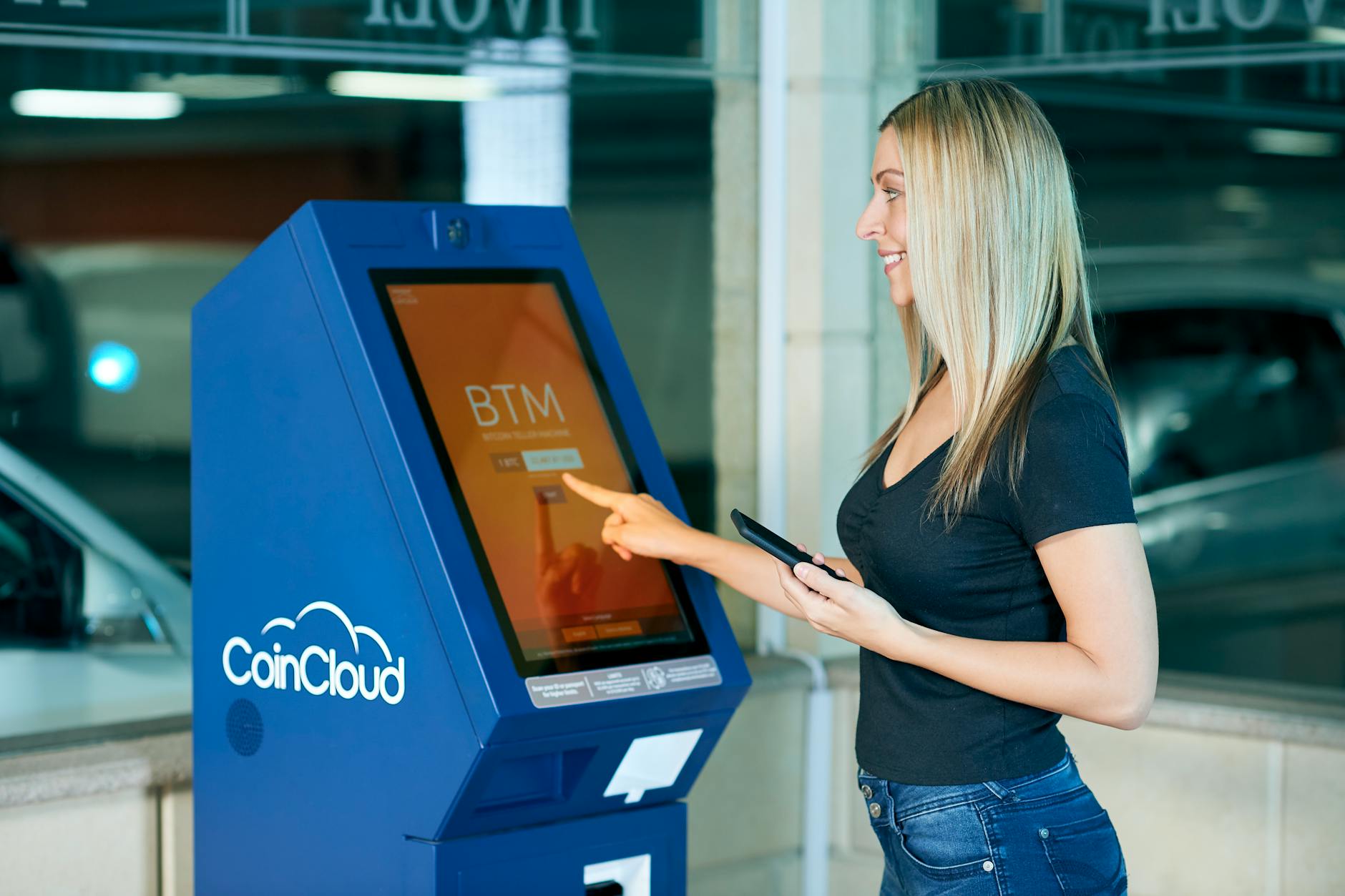
The primary reason for the delay is the sheer volume of claims combined with strict eligibility verification. The court received 63,506,549 claims from people claiming they had paid ATM surcharge fees they shouldn’t have. The claims administrator’s job was to verify each one: did the claimant actually have accounts at non-bank ATMs? Did they pay fees during the settlement period? Was the claim form filled out correctly? The result was that 63.2 million claims were flagged as fraudulent, duplicate, or ineligible and rejected. this filtering process alone consumed months.
Another factor was the deficiency notice deadline in November 2025 with a 45–60 day cure window. If a claim had issues but was potentially salvageable (missing documentation, incomplete form), claimants received a chance to fix it. This cure period stretched into the holiday season and early 2026. Only after all deficiency periods closed could the administrator finalize the valid claims list and submit it to the judge.
What Is the Current Distribution Timeline and When Should You Actually Expect Money?
The court’s order established that the 90-day distribution clock begins only after the judge signs the final distribution motion—it hasn’t started yet. As of late March 2026, we’re waiting for that judicial signature. Once signed, expect a 90-day period for the claims administrator to process and send payments to the remaining valid claimants. This means the realistic window is late spring through summer 2026 if the judge approves within the next few weeks.
However, even within that 90-day window, not all claimants receive money on the same day. The administrator typically distributes payments in batches based on payment method (check, electronic transfer, etc.) and processes them over several weeks. If you elected to receive payment via electronic transfer or debit card, you’ll likely get your money faster than if you’re receiving a check. Claimants should also be aware that some payments might be delayed if there are issues with bank account information on file—for example, if a claimant’s bank account is closed or the routing number is incorrect, the first payment attempt fails, and the administrator must contact you to get corrected details.
How Much Money Will Valid Claimants Actually Receive?
This is the silver lining to the massive rejection rate. The settlement approved $197.5 million in total funds for valid claimants. With only 296,877 valid claims out of 63.5 million submitted, each claimant’s share is substantially higher than originally projected. The court determined that each valid claimant will recover 23–38% of their unreimbursed ATM surcharge fees, depending on the exact amount they documented having paid.
The variation (23–38% rather than a flat percentage) reflects the complexity of individual claims. Some claimants may have submitted documentation proving exact amounts, while others submitted estimates. The claims administrator likely used available transaction records and claimant statements to establish each person’s eligible loss amount, then applied the percentage payout based on that calculation. A claimant who paid $150 in ATM surcharges across multiple withdrawals might receive $35–$57; someone with $500 in documented fees could receive $115–$190. The administrator’s letter to each approved claimant will specify their individual payout amount once the distribution motion is signed.
What Should You Do Right Now While Waiting for Payments?
First, verify your contact information on file with the claims administrator. Distributions are typically sent to the address or email listed in your original claim. If you’ve moved since submitting your claim, contact the settlement website immediately to update your address. Many claimants miss their payments simply because the check was mailed to an old address or the email notification went to a defunct email account. Second, if you elected to receive payment by electronic transfer, confirm that your bank account and routing number are still valid.
Closed bank accounts are the second-most common reason for payment delays. Third, do not submit a second claim or contact the court asking for updates—this actually slows things down. The claims administrator is managing the process, and the court is reviewing it. Your role is to wait and ensure your contact information is current. If you have serious concerns about your individual claim’s status, the settlement website has a claimant portal where you can verify your claim was approved and see the estimated payout amount.
Why Did So Many Claims Get Rejected and Could Yours Have Been One of Them?
The 99.53% rejection rate seems shocking, but it reflects the reality of ATM claims: many submissions were ineligible, fraudulent, or duplicate. The most common rejections occurred because claimants submitted claims without proper documentation of ATM fees, submitted claims for ATM transactions outside the settlement period (which ran from October 2007 onward at non-bank ATMs), or submitted multiple claims for the same transaction (the administrator’s anti-fraud filters caught duplicates across claimants). If your claim was approved, you’re in a rare cohort that survived this vetting.
However, if you received a deficiency notice and didn’t respond by the deadline, your claim was likely rejected. There is no appeal process for rejected claims in this settlement—once the distribution motion is signed, rejected claims remain excluded. For future class actions, claimants should submit documentation (bank statements, receipts, transaction history) along with their claim form, even if it’s not mandatory. The more evidence you provide upfront, the less likely you’ll receive a deficiency notice.
Is There a New ATM Settlement I Should Know About?
Yes. In December 2025, a new $167.5 million settlement was filed in federal court in Washington, D.C., covering similar allegations of ATM access fee conspiracy by Visa and Mastercard. This settlement is not yet approved—it’s pending judicial review. The coverage period is different (ATM fees from October 2007 onward), and it covers alleged conspiracies to maintain high ATM surcharges at non-bank machines.
If you are eligible for the current settlement (the $197.5 million one), you may also be eligible for the new settlement depending on the timing and details of your claim. However, do not attempt to file a claim in the new settlement until the court issues a notice inviting claims. The notice will include a website, deadline, and instructions. Claimants are sometimes eligible for multiple class action settlements covering related conduct, though the terms of each settlement will specify whether a claimant can recover from both or must choose one.
What Happens Once Payments Are Distributed and What Should Claimants Know About Tax Implications?
Once the distribution begins in summer 2026, most claimants will receive their payment within 90 days. However, this is not the end of the settlement process. The claims administrator must provide each claimant with a 1099-MISC or similar tax form documenting the amount received (since it may be considered taxable income by the IRS). You will receive this form by January 31, 2027, and may be required to report it on your 2026 tax return.
Some settlements have obtained a court order determining that settlements for fraud or overcharges are not taxable as income because they represent a return of your own money—not a gain. However, whether your ATM settlement payment is taxable depends on the specific language of the settlement and IRS rules. You should consult a tax professional if you expect a large payout and want to understand your tax obligation. The claims administrator’s website will likely include guidance on this, or you can speak with a CPA about how to treat the settlement payment on your return.
You Might Also Like
- Roundup Consumer Overcharge Labeling Class Action Settlement
- Northwestern University COVID Tuition Refund Class Action Settlement
- Last Chance to File a Claim in the Video Game Addiction Open Class Action Lawsuits
Open Settlements You Can Claim Now
Browse current class action settlements accepting claims — several require no proof of purchase: