

If you own a registered Amazon Alexa device and you’re a U.S. resident, you may be eligible for compensation from not one but two major privacy settlements involving Amazon. The most recent development came in July 2025 when a federal judge ruled that Alexa device owners can proceed as a class action against Amazon for privacy violations under Washington’s Consumer Protection Act. This class action is still ongoing and has not yet resulted in a settlement, but it represents a real opportunity for affected users to seek damages. Additionally, a 2023 Federal Trade Commission settlement already resulted in Amazon paying $30.8 million in penalties for documented privacy violations—and while that particular settlement was mainly a corporate fine, it established the violations that now underpin the 2025 class action case.
This article explains both settlements, who qualifies, what violations Amazon committed, what you can expect in compensation, and how to position yourself for a potential payout. The fundamental answer to whether you’re eligible is straightforward: you must have registered an Alexa device (such as an Echo, Echo Dot, or Echo Show) at any point from 2014 onward and currently be a U.S. resident. A critical distinction from many class actions is that only registered device owners qualify—if someone else used an Alexa device in your home but you didn’t own or register it, you cannot join the class. The violations at the heart of these lawsuits are serious: Amazon unlawfully retained children’s voice recordings, transcripts, and location data even after parents requested deletion, and employees at Amazon subsidiary Ring accessed customer camera footage without consent. The potential compensation being discussed ranges from $10 to $50 per household, though final amounts will depend on how many eligible claims are filed once the settlement is approved.
Table of Contents
- What Is the Amazon Alexa Privacy Settlement and Which Settlement Applies to You?
- Who Is Eligible for the Amazon Alexa Class Action Settlement?
- What Privacy Violations Did Amazon Commit, and Why Do They Matter?
- What Compensation Can You Expect if You’re Eligible?
- Timeline and Claim Deadlines: When Will You Need to Act?
- The Ring Settlement Component and Employee Monitoring
- Looking Forward: What Changes Are Amazon Making, and Will This Prevent Future Violations?
What Is the Amazon Alexa Privacy Settlement and Which Settlement Applies to You?
There are actually two separate legal actions at play, and it’s important to understand the difference because they have different implications. The first is the FTC settlement from June 2023, where Amazon agreed to pay $25 million in civil penalties plus Ring (Amazon’s security subsidiary) paid an additional $5.8 million. This settlement was primarily between the federal government and Amazon—not a class action—so individual consumers did not file claims or receive direct payouts from that $30.8 million. Instead, the money went to the U.S. Treasury. However, this FTC enforcement proved that Amazon had violated the law, which became the legal foundation for the second action.
The second and more relevant action for potential compensation is the July 2025 class action lawsuit titled *Kaeli Garner v. Amazon.com*, which is still active and ongoing. In July 2025, U.S. District Judge Robert Lasnik made a crucial ruling allowing this case to proceed as a nationwide class action, meaning registered Alexa users across the country can now collectively sue Amazon for damages under Washington’s Consumer Protection Act. This is the settlement that could result in individual payments to eligible users, though no settlement has been finalized yet. When it does settle (or if a judgment is reached), claim deadlines will be announced, typically giving claimants 60 to 120 days to file. Currently, the case is working through the legal process, with discovery and settlement negotiations likely ongoing behind the scenes.
Who Is Eligible for the Amazon Alexa Class Action Settlement?
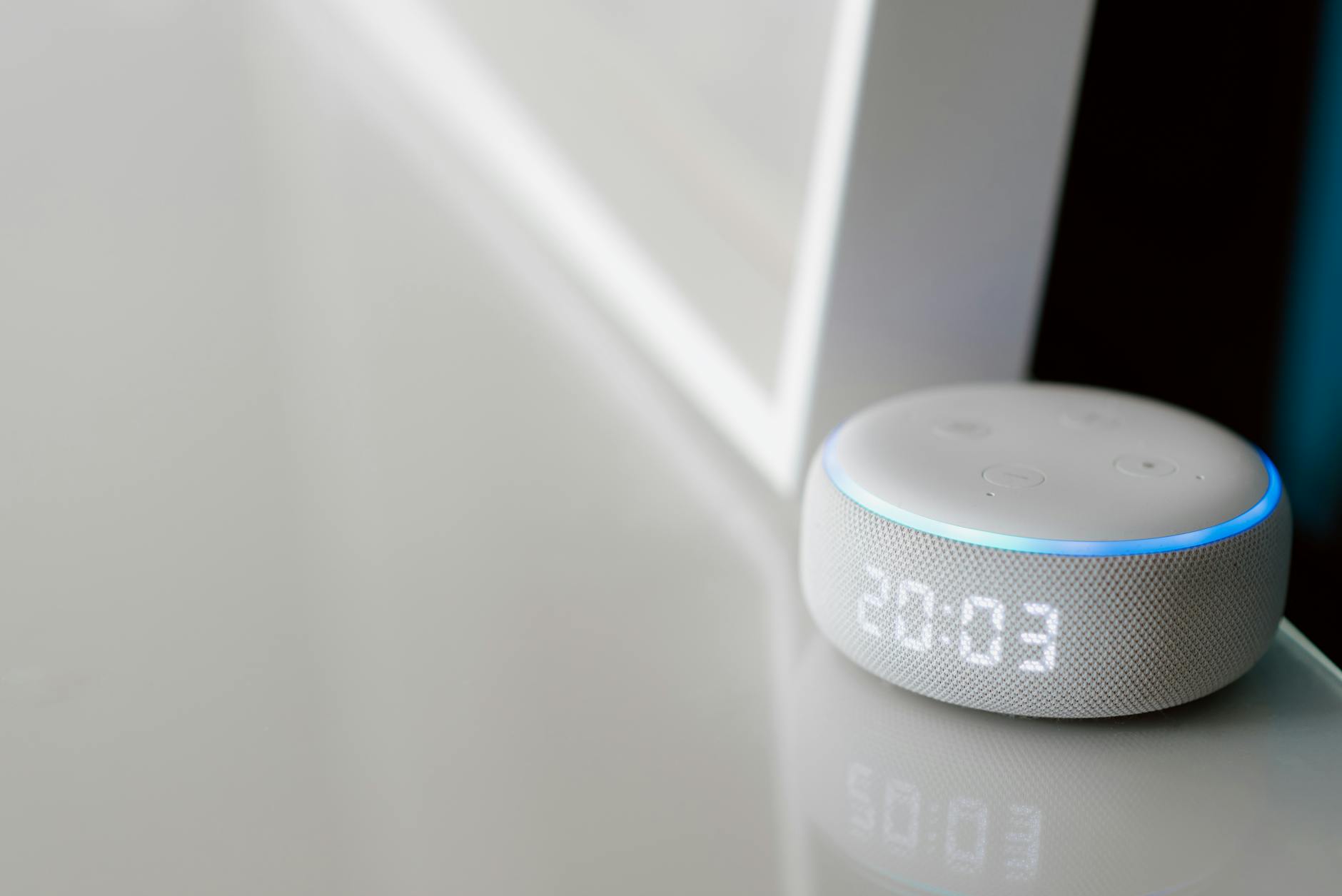
Eligibility for the *Kaeli Garner v. Amazon.com* class action has specific legal boundaries that were established by the court ruling. The primary requirement is that you must have registered an Alexa device with Amazon at any point. This is a critical detail: simply being in a household where someone else used an Alexa device does not make you eligible. You had to be the person who set up and registered the device. The devices covered include any Echo (full-size, Dot, Show, or other Echo variants) or other Alexa-enabled smart speakers that you registered to your own Amazon account. The time period for device ownership spans from 2014 (when the original Echo was released) through the present, so if you’ve owned any Alexa device at any point during that eleven-year window, you may qualify.
Another critical eligibility requirement is that you must be a U.S. resident. The class action is nationwide within the United States, but it does not extend to international claimants. Additionally, Judge Lasnik’s ruling specifically stated that only registered device owners can participate—not people who were merely recorded by the devices or who used someone else’s Alexa without owning it themselves. This distinction may seem narrow, but it excluded a potentially much larger group of people who had been affected by the privacy violations but didn’t own the device. If you meet the criteria of being a registered U.S. Alexa owner, the next step is simply to watch for the settlement notice, which will include claim filing instructions once the case settles. There is no action you need to take immediately, as there are no current claim deadlines.
What Privacy Violations Did Amazon Commit, and Why Do They Matter?
The violations underlying both the FTC settlement and the class action center on how Amazon handled customer data, particularly data involving children. According to the FTC’s findings and court documents, Amazon violated the Children’s Online Privacy Protection Act (COPPA) by retaining children’s voice recordings, transcripts of what children said to Alexa, and even geolocation data—indefinitely, without parental consent, and even after parents explicitly requested that the data be deleted. A parent would go into their account, request the deletion of their child’s Alexa history, and Amazon’s system would process the deletion request—but the underlying data would remain stored in Amazon’s servers. This is not a minor technical glitch; it represents a fundamental failure to honor parental authority and legal obligations under federal law. The Ring employee surveillance component adds another layer of seriousness.
Ring, the home security company wholly owned by Amazon, allowed and did not adequately supervise its employees’ access to customer security camera footage. This meant that employees could view and sometimes discuss private recordings from customers’ homes, Ring doorbells, and security cameras without explicit customer consent. The combination of these violations—the unauthorized retention of children’s data and the employee access to camera footage—demonstrates a pattern of privacy violations across multiple Amazon properties. For consumers, this matters because it shows that Amazon did not treat customer data and privacy as a priority, that the company actively resisted honoring deletion requests, and that internal controls were inadequate to prevent employees from accessing sensitive footage. The violations are not hypothetical; they affected real families and real recordings.

What Compensation Can You Expect if You’re Eligible?
Based on historical class action settlements involving tech companies and privacy violations, the expected payout per household is estimated to be between $10 and $50. This range is not arbitrary; it’s based on data from similar settlements—for example, other voice assistant privacy cases and data breach class actions have typically resulted in per-household payouts in this ballpark. The exact amount will depend entirely on how the settlement is structured and, critically, how many eligible claims are filed. If 1 million people file claims, the per-person amount will be smaller; if only 100,000 people file, the amount could be higher. Neither of these is certain until settlement terms are finalized and approved by the court.
It’s important to manage expectations: $10 to $50 is not a life-changing sum for most people, but it represents acknowledgment that Amazon wronged you by mishandling your data and your family’s data. The real value of the settlement, from the perspective of many consumer advocates, is that it holds Amazon accountable and may incentivize the company to improve privacy practices going forward. Additionally, the class action can include injunctive relief, meaning the court could order Amazon to implement specific privacy protections or deletion policies to prevent future violations. However, if compensation is your primary motivation, this settlement is unlikely to be lucrative on a per-person basis. The expectation should be a modest payout, if and when the settlement finalizes.
Timeline and Claim Deadlines: When Will You Need to Act?
Currently, there are no active claim deadlines because the case has not yet settled. What likely happens next is that the parties (Amazon’s lawyers and the class representatives’ lawyers) will negotiate a settlement agreement, which will then be presented to Judge Robert Lasnik for approval. Once the judge approves the settlement, a settlement administrator will be appointed, a settlement website will be created, and notices will be sent to eligible class members. At that point, claim deadlines will be announced—typically allowing 60 to 120 days for people to file claims. A critical mistake many people make in class actions is ignoring the settlement notice when it arrives, missing the deadline, and then being unable to recover compensation. This is especially important for this case because Alexa owners are distributed across the country and may not actively follow legal news.
To prepare now, if you own a registered Alexa device and want to be ready to claim compensation when the settlement finalizes, you should ensure that your Amazon account is up to date and that you can document your ownership of the device. Keep any receipts or account records showing when you purchased and registered your Alexa device; this documentation may be helpful when filing your claim. More importantly, watch for a settlement notice that will likely arrive via email or physical mail once the settlement is approved. Do not discard it or assume it’s spam. Set a reminder on your phone or calendar to file your claim within the deadline once the notice arrives. Some settlement administrators now offer online claim forms, which are faster and easier than paper forms.

The Ring Settlement Component and Employee Monitoring
The Ring element of Amazon’s privacy violations deserves specific attention because many people don’t realize that Ring is owned by Amazon and subject to the same settlement framework. In the FTC settlement, Ring separately agreed to pay $5.8 million in addition to Amazon’s $25 million fine. Ring’s violation was simpler in scope but equally troubling: employees at Ring had access to customer recordings from Ring doorbells and security cameras, and Amazon did not implement adequate controls to prevent employees from viewing footage or log their access appropriately. Some employees accessed footage out of curiosity or misuse, while others had legitimate technical reasons to view recordings (e.g., during troubleshooting), but the system did not meaningfully distinguish between the two.
This means if you own a Ring device as well as an Alexa device, both are relevant to your eligibility, and the violations are part of the same pattern of behavior by Amazon. If you only own a Ring device and not an Alexa device, you would not be eligible for the *Kaeli Garner* class action, which specifically targets registered Alexa owners. However, the FTC settlement and any potential future Ring-specific class action would be separate. For the purposes of the current Alexa class action, the Ring violations provide context for why the court allowed the case to proceed: they demonstrate that privacy was not a priority across Amazon’s business units and that customer trust was violated systematically. If you own both Alexa and Ring devices, your stake in this settlement is stronger because the violations span both product lines.
Looking Forward: What Changes Are Amazon Making, and Will This Prevent Future Violations?
The FTC settlement did impose specific requirements on Amazon going forward. The company is now prohibited from using data that users request to be deleted; Amazon must develop better processes for honoring parental deletion requests for children’s accounts; and the company must remove inactive children’s Alexa accounts that have been flagged by parents. Additionally, Amazon was required to notify customers of the FTC enforcement action—a public acknowledgment that Amazon violated the law. However, requirements and compliance are not the same thing. Tech companies have faced FTC settlements before and still encountered privacy issues later, so the question of whether Amazon will actually change behavior over the long term remains to be seen.
The class action judgment (once finalized) could impose additional requirements through injunctive relief, potentially strengthening these requirements or adding new ones such as regular privacy audits, employee training, or third-party oversight. From a consumer perspective, the best outcome would be not just monetary compensation but tangible changes to how Alexa and Ring handle user data. The settlements send a signal that privacy violations carry costs, which is meaningful. However, individual users should remain vigilant: always review Alexa’s privacy settings, regularly delete voice history if you prefer, and be aware that smart devices always carry some privacy trade-offs. This settlement is a step toward accountability, but it’s not a guarantee that Amazon will never mishandle data again.
You Might Also Like
- Why Some Juul Claimants Are Getting Paid Again Full Settlement Update Explained
- Juul Settlement Payment Methods Explained How You Will Receive Your Second Check
- Second Juul Settlement Payout Update How $15 Million Will Be Distributed to Eligible Claimants