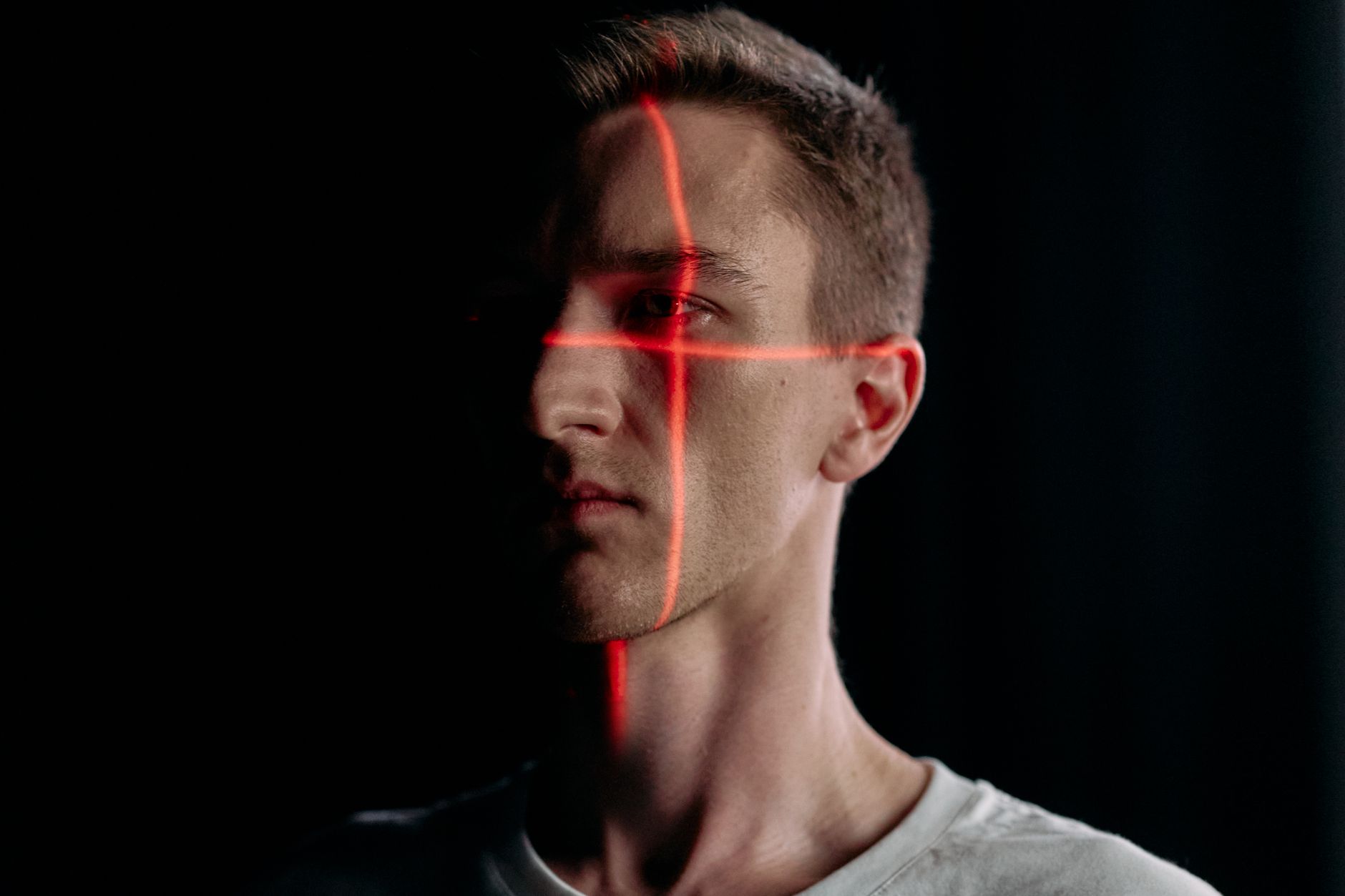
Generated images themselves do not count as your biometric data under Illinois law. What may count is the facial-geometry scan an AI tool allegedly extracts from your photo to create them. A biometric identifier means a measurable scan of the body, not the picture itself.
October 2026 lawsuits in Illinois test that distinction for generative AI. They allege headshot and portrait tools and social photo systems captured face geometry without required notices and releases. The outcome matters if you uploaded selfies for AI edits or posted photos later used for AI training.
Official resource:
- Explore the official data from Shumaker — Use this primary source to review the underlying data.
Table of Contents
- What Illinois law actually protects
- Why Grok headshots triggered lawsuits
- How the Meta case differs
- What federal enforcers already signaled
- What to save while courts decide
What Illinois law actually protects
Illinois defines a biometric identifier as a retina or iris scan, fingerprint, voiceprint, or scan of hand or face geometry, according to the Illinois General Assembly in the current text of the state biometric law. The same law expressly excludes ordinary photographs, writing samples, and physical descriptions.
Before collecting covered scans, private companies must inform you in writing, obtain a written release, and publish retention and destruction schedules. That written-consent rule is the core issue in the new AI cases. A stylized portrait may be unregulated, while the underlying geometry scan may trigger the consent requirements.
Why Grok headshots triggered lawsuits
October 2026 class actions in the Northern District of Illinois allege Grok violated Illinois law by analyzing facial geometry from user-uploaded photos, according to Shumaker, Loop and Kendrick in their review of the new AI biometric suits. The suits focus on headshots and stylized portraits made without disclosures or consent. The claim is collection through analysis, not mere display of the upload. Illinois resident Scott Wilson filed one putative class action on Oct.
12, 2026 against xAI entities. He claims Grok captures facial-geometry scans when users upload selfies for analysis, rating, or editing. For readers, the practical line is upload plus measurement. Viewing, downloading, or describing a photo is different from mapping face geometry.
How the Meta case differs
A separate 66-page complaint, Alvarez v. Meta Platforms No. 1:26-cv-10773, was filed Sept. 4, 2026 in Chicago, according to Law Commentary in its summary of the Meta facial-data complaint. It alleges Meta extracted facial data from Facebook and Instagram photos.
The alleged uses were building unreleased NameTag face recognition and training Emu and Muse Image generative models. That theory does not depend on asking for a headshot. It concerns large-scale reuse of existing social photos for recognition and model training. Grok involves a user prompting an edit. Meta involves platform photos allegedly used behind the scenes.
What federal enforcers already signaled
The FTC said in May 18, 2023 biometric policy that biometric information includes depictions, images, descriptions, or recordings of facial features. The agency warned collection or use can violate Section 5's ban on unfair or deceptive practices, according to Mayer Brown's summary of the FTC statement. Federal law does not create the same private claim as Illinois.
Enforcement has focused on accuracy and harm. After finding thousands of false-positive matches with greater harm in plurality-Black, Asian, and Latino areas, the FTC barred Rite Aid from facial-recognition surveillance for five years and ordered deletion safeguards, according to K and L Gates. The lesson for consumers is to watch both consent and error. A wrong match can block access, flag fraud, or trigger scrutiny.
What to save while courts decide
Courts have not yet decided whether AI-derived face geometry from photos counts as regulated biometric data or who is affected, according to Shumaker. The Grok and Meta allegations remain unproven and early-stage.
Do not treat a news report as eligibility for money. If you used these features, preserve records now: Keep originals and do not delete the app data until the court defines the class.
- dates, email receipts, and app history showing selfie uploads, ratings, edits, or portrait orders
- screenshots of prompts, outputs, settings, and any privacy notice or consent screen shown
- Facebook and Instagram account details, download copies, and dates for photos that may have been used for training