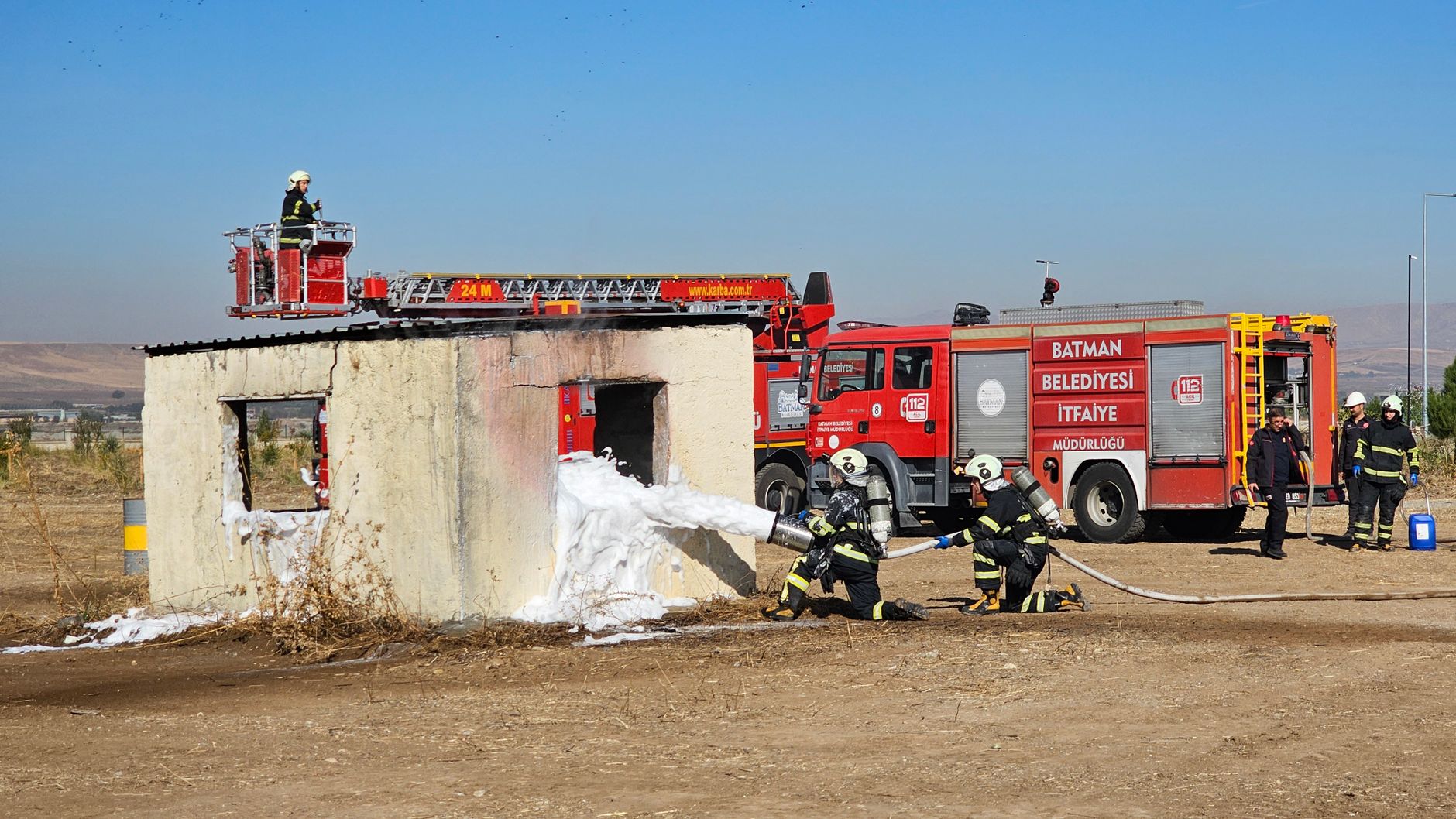
Yes, PFAS chemicals from AFFF firefighting foam have contaminated drinking water supplies across the United States, affecting an estimated 176 million Americans. AFFF—aqueous film-forming foam—was developed jointly by the U.S. Military and 3M in the 1960s and contains “forever chemicals” called PFAS (per- and polyfluoroalkyl substances) that don’t break down in the environment or the body. These chemicals have leached from military bases, airports, firefighter training facilities, and industrial sites into groundwater and municipal water systems for decades. The New Jersey Department of Environmental Protection confirmed PFAS in drinking water serving multiple counties, and a state settlement paid $875 million to affected residents beginning in January 2026—but that type of settlement addresses past water contamination damage only, not the health injuries people are claiming.
The litigation has grown massive: 23,573 cases are now consolidated in MDL-2873 (Multidistrict Litigation) in the U.S. District Court for the District of South Carolina, with 15,213 to 15,240 cases actively pending. Of these, personal injury claims—those alleging cancer or disease caused by PFAS exposure—remain unresolved. Water utility settlements totaling $12.5 billion or more have been finalized to compensate municipalities for contamination cleanup, but individual claimants suing for kidney cancer, testicular cancer, pancreatic cancer, ulcerative colitis, and other conditions linked to PFAS have not yet received compensation. Judge Richard M. Gergel has directed the parties toward settlement by October 2026, but no verdict or final agreement on personal injury damages has been reached.
Table of Contents
- What Is AFFF and How Did It Contaminate Water Supplies?
- The Scope of PFAS Contamination in Drinking Water
- Settlement Amounts and the Difference Between Water Utility Claims and Personal Injury Claims
- Health Conditions Linked to PFAS Exposure in Active Litigation
- The Legal Status of AFFF Litigation and Recent Developments
- How PFAS Enters Drinking Water and Who Is Most at Risk
- Current Status of Personal Injury Claims and What Evidence Matters
What Is AFFF and How Did It Contaminate Water Supplies?
AFFF is a fire suppressant foam used to extinguish petroleum fires and prevent re-ignition, particularly in situations where water alone is ineffective. The U.S. Military developed AFFF in partnership with 3M during the 1960s because standard foams couldn’t control fuel fires on airfields or naval vessels effectively. AFFF contains PFAS chemicals—specifically PFOA and PFOS—that act as surfactants, allowing the foam to spread rapidly across burning fuel surfaces. These chemicals have been used in AFFF formulations for over 50 years without significant restrictions because they were believed to break down over time.
In reality, PFAS chemicals are extraordinarily persistent; they don’t degrade in soil, groundwater, or human tissue, which is why they’ve earned the nickname “forever chemicals.” AFFF entered groundwater and drinking water systems through multiple pathways. Military installations—particularly those with active aircraft operations or weapons training—used AFFF routinely for fire suppression drills and emergency responses. The Department of Defense reports that 455 military bases have confirmed PFAS contamination, with another 700+ under investigation. Civilian airports applied AFFF for identical reasons, as did fire departments conducting training exercises at fire academies and industrial parks. Once AFFF was applied to soil or concrete, rain and groundwater percolation moved the PFAS deeper underground, where it reached aquifers and municipal wells. A fire department in North Carolina, for example, discovered PFAS in a shallow well 500 feet from a training facility where AFFF had been used for over 30 years—contamination that likely extended far beyond that single well.
The Scope of PFAS Contamination in Drinking Water
The scale of PFAS contamination is substantially larger than initially recognized. The EPA’s UCMR 5 testing (Unregulated Contaminant Monitoring Rule, the largest nationwide drinking water survey ever conducted) identified detectable PFAS in 3,539 sites across the United States. When the EPA broadened its data analysis in March 2026, the agency reported that 176 million Americans—approximately 53% of the U.S. population—are now estimated to have PFAS in their drinking water. This figure represents a four-million-person increase from prior estimates, suggesting that water systems have had to test more aggressively or that new testing methods have revealed contamination that older tests missed.
The contamination is not geographically isolated. Across all 50 states, 9,728 PFAS-contaminated sites have been identified, ranging from military facilities and airports to industrial manufacturing sites and food packaging plants. Some states have been hit harder than others: North Carolina, Michigan, and New Jersey have reported particularly severe contamination events requiring the closure of municipal wells and expensive activated-carbon filtration upgrades. A critical limitation is that UCMR 5 testing only checks for a subset of PFAS chemicals—primarily PFOA, PFOS, and a handful of others—while thousands of PFAS variants exist, and only a fraction of those have been tested for toxicity. This means the true scope of contamination may be even larger than current data suggests, because water systems are only checking for known PFAS, not emerging variants used in newer industrial processes.
Settlement Amounts and the Difference Between Water Utility Claims and Personal Injury Claims
Two distinct categories of AFFF litigation have emerged, and it’s crucial to understand that they’re being handled separately. Water utility settlements—those addressing the cost of PFAS removal from drinking water systems—have been largely finalized. The largest settlement came in 2024 when 3M Company agreed to pay between $10.3 billion and $12.5 billion over 13 years to municipalities and water utilities nationwide for the cost of installing PFAS treatment systems. In 2025, DuPont, Chemours, and Corteva jointly agreed to pay $1.185 billion for drinking water contamination. These settlements compensate public water systems for the expense of testing, filtration installation, and ongoing maintenance—not individuals for health injuries.
Personal injury settlements—those where individuals claim they developed cancer or disease from PFAS exposure—have not been finalized and remain the subject of active litigation. The MDL includes cases from individuals who consumed PFAS-contaminated drinking water or were occupationally exposed at military bases or fire departments and subsequently developed conditions including kidney cancer, testicular cancer, pancreatic cancer, thyroid disease, and ulcerative colitis. Current projections suggest that severe cases involving kidney or pancreatic cancer might receive $200,000 to $500,000 if settled, moderate conditions might receive $150,000 to $300,000, and lower-tier cases might receive $20,000 to $75,000. However, these are estimates based on similar mass tort settlements; no actual personal injury settlement has been reached in the AFFF MDL yet. New Jersey’s August 2025 settlement—which paid $875 million to residents—was specifically for past water contamination (essentially making residents whole for the cost of bottled water and health monitoring they undertook), not for personal injury claims, which remain pending in federal court.
Health Conditions Linked to PFAS Exposure in Active Litigation
The litigation currently identifies six primary health conditions as being linked to PFAS exposure: kidney cancer, testicular cancer, pancreatic cancer, thyroid cancer or thyroid disease, ulcerative colitis, and liver damage. These conditions were selected for the MDL based on epidemiological research, animal studies, and testimony from independent medical experts. The evidence linking PFAS to these conditions is ongoing; the scientific community has not universally agreed on causation for all conditions, but the defendants have not dismissed the claims, suggesting they believe there is sufficient evidence to warrant settlement discussion. The litigation structure includes “bellwether” trials—test cases brought before a jury to establish how a typical case performs.
Bellwether trials were originally scheduled for October 2025 but have been delayed as settlement negotiations continue. When trials do occur, they are expected to begin with Tier 2 Group A cases, which are the most serious personal injury claims (typically cancers with documented occupational or residential exposure to PFAS-contaminated water). The outcome of these first trials will heavily influence settlement offers in the remaining cases. However, there is an important trade-off: if claimants win at trial, defendants might face much larger judgments than they’ve anticipated, but if claimants lose, the remaining cases could be worth far less or dismissed entirely. The uncertainty is why Judge Gergel has pushed parties toward negotiating a comprehensive settlement before October 2026.
The Legal Status of AFFF Litigation and Recent Developments
MDL-2873 consolidates 23,573 cases, making it one of the largest environmental mass tort litigations in U.S. history. The cases are filed in the U.S. District Court for the District of South Carolina and are overseen by Judge Richard M. Gergel, who has proven aggressive in pushing both sides toward settlement. In June 2026, he issued a directive urging the parties to reach a settlement agreement by October 2026, signaling that he is prepared to move toward trial if negotiations stall.
Currently, 15,213 to 15,240 cases are actively pending; the remainder may have settled individually or been dismissed. The defendants named in the litigation include 3M Company, DuPont, Chemours, Corteva, BASF, and Johnson Controls—all companies that either manufactured AFFF, supplied PFAS chemicals, or profited from AFFF sales. A significant development occurred in May 2026 when the EPA proposed new federal drinking water rules targeting specific PFAS chemicals. The EPA upheld stringent limits for PFOA and PFOS (the most studied PFAS compounds), with enforcement expected by 2029. However, the EPA simultaneously proposed rescinding or relaxing regulations for other PFAS variants, including PFHxS, PFNA, HFPO-DA (commonly called GenX), and PFBS. This creates an important caveat: many water systems and claimants have been tested and potentially exposed to these secondary PFAS, but if federal standards are rolled back, the legal burden to prove harm from these chemicals could shift entirely to plaintiffs, making some claims harder to win. The EPA’s inconsistency suggests that federal policy on PFAS is still in flux, and what is regulated today could be deregulated in a future administration.
How PFAS Enters Drinking Water and Who Is Most at Risk
PFAS enters drinking water through groundwater contamination and surface water infiltration. The most common pathway is from soil—where AFFF was applied—into shallow aquifers used by municipal wells. Once PFAS reaches groundwater, it spreads laterally and vertically, sometimes traveling miles downstream.
In some cases, PFAS contamination has been detected in wells that are seemingly distant from any known AFFF application site, suggesting either historical use at that location or migration from an upgradient source that was unknown. People most at risk of PFAS exposure include: residents within five miles of military installations or civilian airports; employees at fire departments or fire academies where AFFF training occurred; workers at manufacturing facilities that use AFFF or produce PFAS-containing products; and residents in areas served by municipal water systems known to have PFAS contamination. A homeowner in Michigan who lived one-quarter mile from an Air Force base discovered PFAS in their private well at concentrations 40 times higher than the EPA’s recommended level—and that well had been used for decades without the family knowing about the nearby AFFF use.
Current Status of Personal Injury Claims and What Evidence Matters
Personal injury claims in MDL-2873 depend heavily on establishing both exposure and injury. For claimants to have a viable case, they generally need documentation of: (1) residence or employment at a location with known PFAS contamination, (2) consumption of or contact with PFAS-contaminated water during a relevant time period, (3) a diagnosis of one of the linked health conditions, and (4) medical records establishing that the condition developed or was diagnosed after the period of PFAS exposure. The closer in time the diagnosis follows the exposure period, the stronger the causal link.
A firefighter who worked at a fire academy from 2005 to 2015 and developed kidney cancer in 2018 may have a stronger claim than someone who was exposed in 1995 and diagnosed in 2020, because the temporal connection is clearer. Blood serum testing for PFAS can help establish exposure, and some claimants have obtained PFAS blood tests through their physicians, though this testing is not routine and insurance may not cover it. As of July 2026, no verdicts have been issued, and settlement negotiations continue under Judge Gergel’s deadline. The MDL is expected to remain active for at least one to two more years, with initial payments (if a settlement is reached) likely beginning in 2027 or 2028.