
Your ATM settlement claim was approved, but you’re waiting for a check that hasn’t arrived. Here’s why: the $197.5 million ATM settlement against Visa and Mastercard, which received final court approval on June 20, 2025, involved 63 million claims submissions—but only 296,877 were deemed valid after extensive fraud detection. The administrator, AB Data, is distributing payments in waves beginning in April 2026, not the originally projected December 2025 timeline.
This delay isn’t unusual for settlements of this size; the court order requires a 90-day processing period after approval before distributions can legally begin, and the sheer volume of fraudulent claims flagged (63.2 million) pushed back the entire distribution schedule. This article explains why your approved claim is still pending, what happens between approval and payment, and what to expect in the coming months. The short answer is this: massive fraud infiltration delayed fraud detection, which delayed administrator processing, which delayed the entire payment schedule. But there’s more to understand about how your individual payment will be calculated and why some approved claims may receive less than expected.
Table of Contents
- Why Is My Approved ATM Claim Taking So Long To Pay?
- The Massive Fraud Problem Behind The Payment Delay
- What Happens Between Approval And Your Payment?
- How Much Money Will You Actually Get From Your Approved Claim?
- What If You Received A Deficiency Notice?
- There’s A Second ATM Settlement Coming Too
- What Should You Expect In 2026?
Why Is My Approved ATM Claim Taking So Long To Pay?
The delay between claim approval and actual payment isn’t a mistake or a stall—it’s built into the legal settlement process. After Judge Richard J. Leon granted final approval on June 20, 2025, federal law required a 90-day waiting period before the claims administrator could begin distributing funds. This period allows for final administrative checks, system testing, and processing setup. However, the timeline extended further because of what happened before approval: the settlement received over 63 million claim submissions, and the claims administrator had to filter through them to identify which ones were legitimate.
Out of all those submissions, only 296,877 claims were approved as valid—a 0.47% approval rate that reveals just how severe fraud was in this case. The current expected payment window is April through August 2026, a shift from the original projection of December 2025 through April 2026. This six-week delay occurred because the fraud analysis took longer than anticipated. For context, consider a smaller settlement like a data breach reimbursement program that might process 50,000 claims; the atm settlement is processing roughly 6 times more valid claims while also filtering out more than 63 million fraudulent submissions. The administrator also issued deficiency notices to claimants with incomplete submissions, giving them a 45-60 day cure window to respond—a period that had to conclude before final payment processing could begin.
The Massive Fraud Problem Behind The Payment Delay
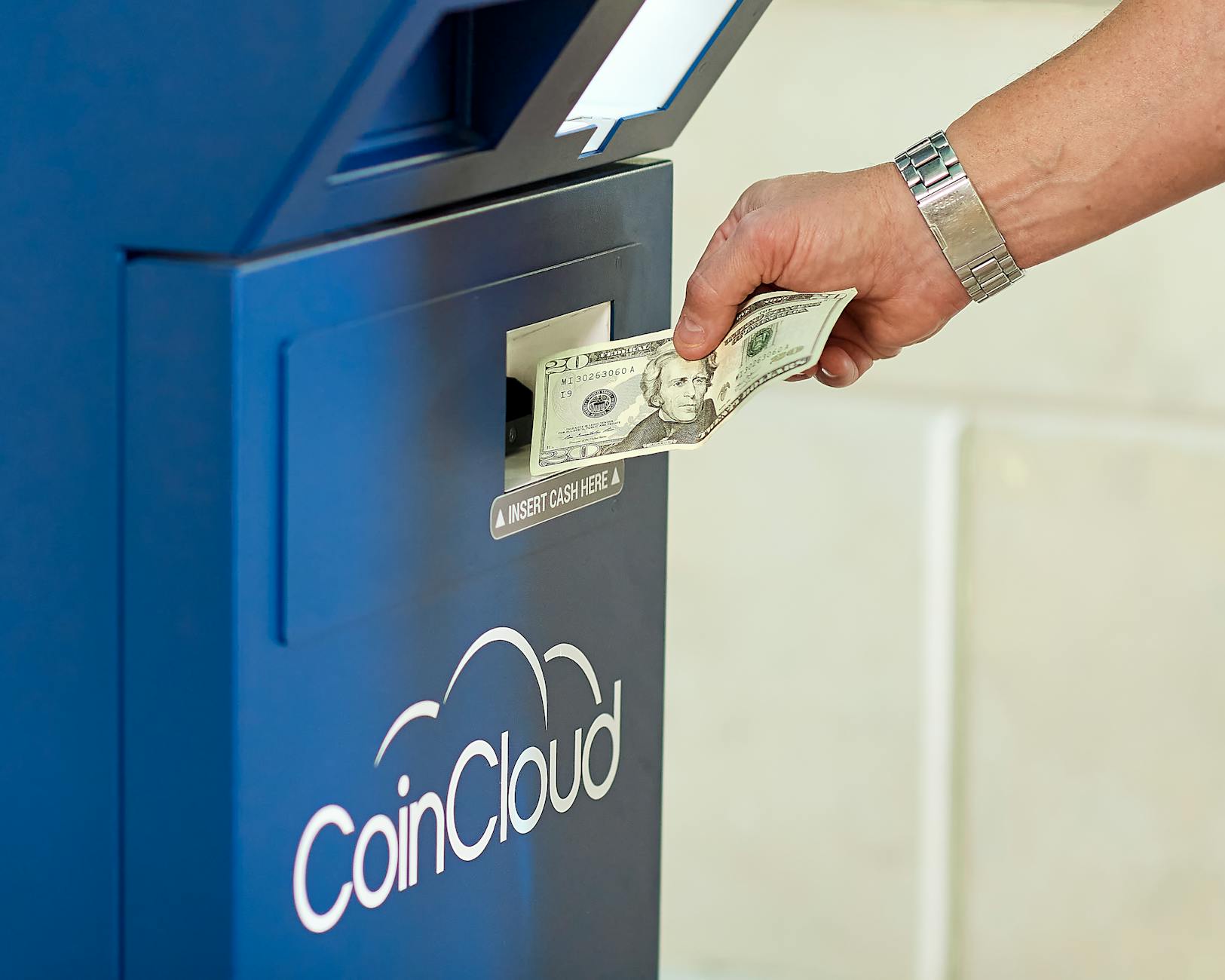
One of the most significant issues delaying your check is that 63.2 million fraudulent claims were submitted. This staggering number explains why the settlement process took much longer than similar cases. The claims administrator used ClaimScore technology, an automated fraud detection system, combined with internal manual reviews to identify fraudulent submissions. These included claims from people who never paid ATM fees, claims using duplicate information, claims from ineligible parties, and other suspicious patterns. Some of this fraud came from claim mills—organizations that submit bulk false claims knowing that some will slip through—while other fraud was individual bad actors trying to claim multiple times.
However, if your claim was approved, you passed this fraud filter. This is important to understand: you weren’t caught up in a general review; your specific submission was examined and deemed legitimate. The delay you’re experiencing now isn’t because your claim is under suspicion—it’s because the administrator is still processing the validated claims in order, following the court-approved timeline. The upside is that fraudulent claims are being filtered out, which means more money will remain for approved claimants. The downside is that this filtering process necessarily delays legitimate payouts.
What Happens Between Approval And Your Payment?
After the court approved the settlement and after the 90-day administrator setup period begins (which started counting from June 20, 2025), AB Data still needs to prepare the actual distribution system. This includes reconciling approved claims with banking information on file, running final verification checks, and organizing payments into distribution waves. Settlements distribute payments in waves rather than all at once because banks have processing limits and the administrator needs to manage cash flow carefully. Your approved claim will be paid as part of a wave—likely in the first or second wave if your claim was among the earliest approvals, but the exact timing depends on when your claim was submitted and validated.
Between approval and payment, the administrator also deducts settlement costs that the court authorized. These include attorney’s fees (paid to the lawyers who prosecuted the case), administrative costs (paid to AB Data for processing), and service awards to the lead plaintiffs who represented the class. These deductions come from the $197.5 million settlement amount before individual distributions are calculated. So if the total available for claimants is, for example, $140 million after all deductions, each of the 296,877 approved claims receives an equal pro rata share—not a fixed amount per claim, but a proportional slice of whatever remains.

How Much Money Will You Actually Get From Your Approved Claim?
This is where expectations often diverge from reality. If you submitted your claim expecting to receive a specific amount, you need to know that every approved claim receives the same pro rata payment. With 296,877 valid claims approved and a settlement of $197.5 million, the average payout before legal deductions would be roughly $665 per claim. However, after attorney fees (typically 25% of the settlement), administrative costs, and lead plaintiff awards (usually 1-5% of the settlement), the amount available for claimant distribution shrinks significantly. A realistic estimate, based on similar settlements, is that approved claimants will receive between $300 and $450 per claim, though this could vary.
The key limitation here is that you cannot negotiate your individual payout or claim a higher share. The settlement agreement stipulates that all approved claimants receive equal shares. If you claimed damages of $2,000 in ATM fees, you’ll still receive only your pro rata share—the same as someone who claimed $100 in fees. This is how class action settlements work; the court found the settlement fair and adequate for the class as a whole, not necessarily for every individual’s specific losses. The upside is that your claim was approved and you will receive something; the downside is that ATM fee losses are typically modest per person, and the payout reflects the settlement amount divided among hundreds of thousands of claimants.
What If You Received A Deficiency Notice?
If the administrator flagged your claim for missing information or inconsistencies, you would have received a deficiency notice by November 24, 2025. This notice is not a rejection; it’s a request for you to provide additional documentation or clarification. The settlement agreement includes a 45-60 day cure period—meaning you had roughly until mid-January 2026 to respond. If you submitted the requested information within that window, your claim could still be approved. If you did not respond, your claim would remain denied even if it might have been otherwise valid.
Here’s a critical warning: if you ignored a deficiency notice and did not respond by the deadline, your claim is almost certainly denied and cannot be revived now. Class action settlements have strict deadlines, and the administrator cannot make exceptions. However, if you did respond to a deficiency notice, your claim was re-evaluated and either approved or finally denied. If approved, you’re in the payment queue and waiting for your April-August 2026 payout window. If it was denied after your response, you would need to review the denial reason and determine whether the claims administrator made an error—though fighting a denial requires legal action and may not be worth the cost for a claim worth a few hundred dollars.

There’s A Second ATM Settlement Coming Too
This settlement specifically covers ATM fees charged by Visa and Mastercard at their own branded ATMs. However, there’s a separate, related settlement of $167.5 million for surcharges charged at independent, nonbank ATMs. This second settlement covers different situations—ATMs operated by banks and credit unions that charged surcharges when you used another bank’s ATM, or independent ATMs that charged access fees. The second settlement has not yet received final court approval but is expected to do so in 2026, with payments distributed within six months after approval.
If you paid surcharge fees at independent ATMs in addition to fees at Visa and Mastercard ATMs, you may be eligible to file claims in both settlements. However, the claims periods and processes are different. The $167.5 million settlement may have already closed its claims period or may still be open depending on when you’re reading this—you’d need to check the official settlement website to confirm. Do not confuse the two settlements; you file claims separately for each, and your payout from one settlement does not affect your eligibility for the other.
What Should You Expect In 2026?
As of the April-August 2026 payment window, expect to see your approved claim payment deposited directly to the banking information you provided on your claim form. If you provided an email address, the administrator should send a notification when your payment is processed. The payment will come directly from AB Data’s claims processing account, not from Visa or Mastercard. Do not expect a physical check unless you specifically requested one during the claim process; most settlements now distribute payments via ACH bank transfer or prepaid debit cards.
The payment will be reported as settlement income for tax purposes in the year received—you’ll likely receive a tax form from the settlement reporting the amount. Looking ahead to late 2026 and beyond, the second ATM settlement for independent ATM surcharges should also be in the distribution phase. If approved settlements continue as projected, those payments could begin arriving within six months of court approval, likely putting the nonbank ATM surcharge distribution in late 2026 or early 2027. For now, your best action is to ensure the settlement administrator has your correct contact and banking information on file, and to monitor the official settlement website for updates on the April 2026 distribution window.
You Might Also Like
- ATM Settlement Payment Status Check Why Funds Are Still Pending
- Why You Haven’t Received Your ATM Settlement Money Yet Full Breakdown
- Why ATM Settlement Payments Haven’t Arrived After Late Winter 2026 Deadline Passed
Open Settlements You Can Claim Now
Browse current class action settlements accepting claims — several require no proof of purchase: