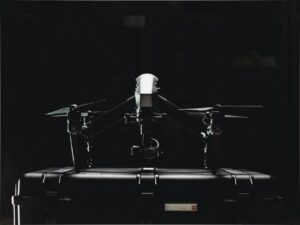

There is currently no finalized DJI Drone Firmware Lawsuit Settlement with active claims or established compensation. Despite widespread search interest in a DJI settlement, the actual class action cases against DJI related to firmware updates remain pending or unresolved. However, drone owners affected by firmware issues with DJI Phantom models should be aware of two significant class actions that may eventually result in settlements: the Sives case involving December 2015 Phantom 2 firmware updates that disabled recording functions, and the Kinder case regarding misrepresented flight capabilities.
This article explains the status of these pending cases, who might qualify if they result in settlements, and what drone owners can do in the meantime. Many drone enthusiasts and Phantom 2 owners search for information about a DJI firmware settlement because they experienced real problems when DJI pushed updates that damaged their equipment’s functionality. If you purchased a Phantom 2, Phantom 2 Vision, or Phantom 2 Vision+ drone and experienced issues after the December 2015 firmware update, understanding these pending class actions is important for your rights. We’ll break down which cases exist, what they allege, and how to monitor them for settlement developments.
Table of Contents
- What DJI Firmware Issues Led to Class Action Lawsuits?
- How Do These Pending Cases Differ, and What Are Their Limitations?
- Who Actually Qualifies as a Class Member?
- What Should You Do If You Have a Qualifying Device?
- What Are the Common Myths About DJI Settlements?
- How Does DJI’s Firmware Update History Affect Current Drone Owners?
- What’s the Future of DJI Litigation and Firmware Issues?
What DJI Firmware Issues Led to Class Action Lawsuits?
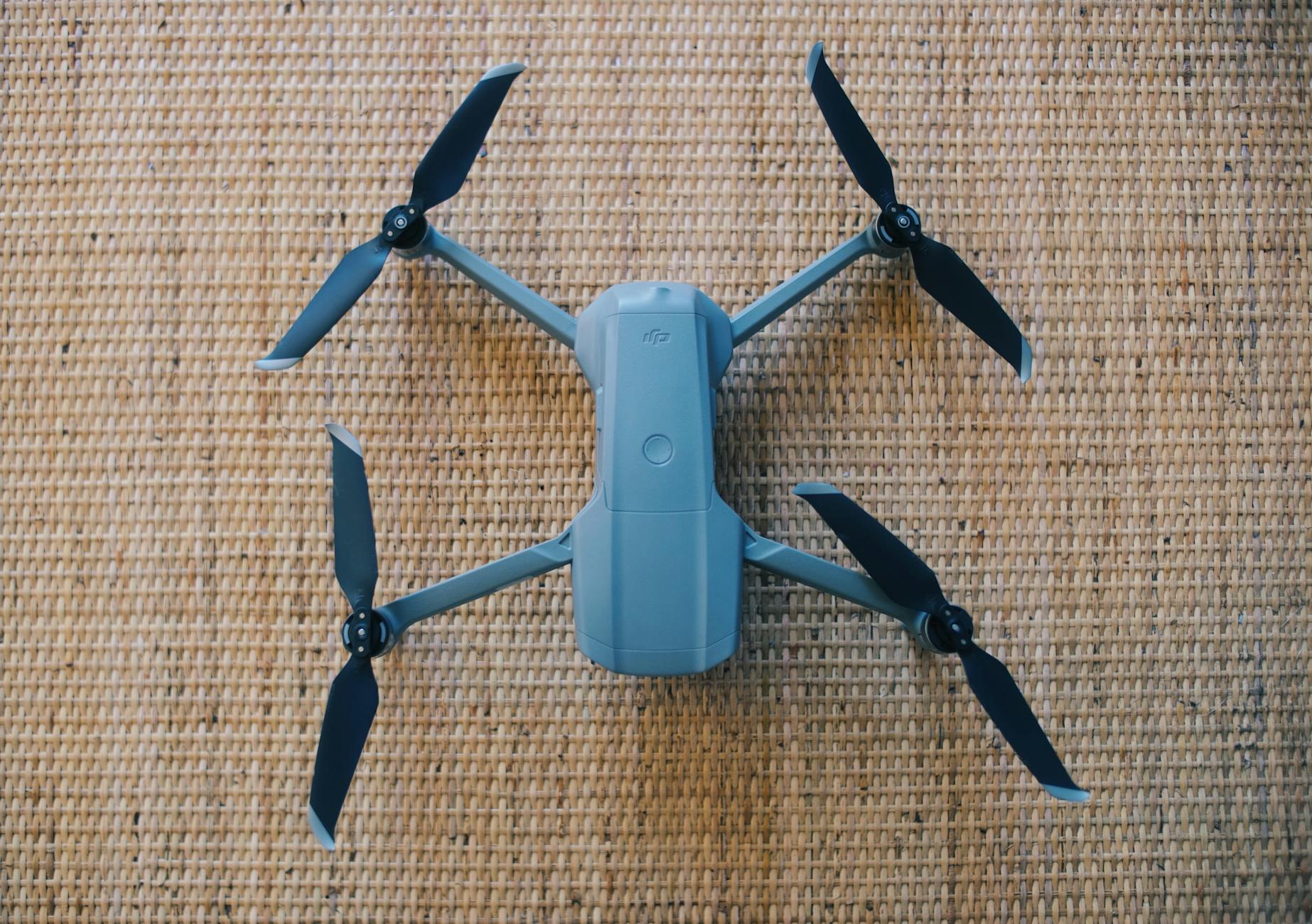
The most concrete pending case is Sives v. DJI Technology Inc., filed in 2017 in the U.S. District Court for the Middle District of Pennsylvania (Case No. 3:17-cv-00294). This class action alleges that in December 2015, DJI released a firmware update for the Phantom 2, Phantom 2 Vision, and Phantom 2 Vision+ models that unexpectedly disabled video recording and photography functions. Owners who had relied on these drones for professional work or serious hobbyist photography suddenly found their equipment unusable after the update, with no clear explanation or rollback option from DJI.
The class definition for Sives includes all purchasers of Phantom 2, Phantom 2 Vision, or Phantom 2 Vision+ drones who downloaded the December 2015 firmware update. If you owned one of these specific models and experienced loss of recording or photography functionality after updating, you would likely qualify if this case reaches a settlement. The distinction is important: it’s not about owning any DJI drone, but specifically these three Vision-line models during that period. A separate class action, Kinder v. DJI, raises different allegations about misrepresented drone capabilities. This case claims DJI advertised flight times and maximum distance specifications that were impossible to actually achieve while following Federal Aviation Administration line-of-sight requirements. The practical problem here is that DJI’s marketing claimed drones could fly for 30+ minutes and at distances exceeding what pilots can legally fly under FAA rules, creating a disconnect between what was promised and what customers could legally use.
How Do These Pending Cases Differ, and What Are Their Limitations?
The Sives case focuses on a specific technical failure—a firmware update that broke device functionality. This is a product defect claim with a clear cause and effect: update deployed, feature stopped working. The limitation here is that this case has been pending since 2017 without a publicly announced settlement, which means resolution could take years, or the case might settle quietly without major awards. Additionally, if you updated your Phantom 2 but found a workaround or simply stopped using the recording features, proving damages becomes harder.
The Kinder case addresses misrepresentation, which is harder to quantify. How much were you harmed by inflated range specifications when you couldn’t legally use that range anyway? This creates a legal gray area where even if plaintiffs win, damages might be minimal. However, if X then Y: if you purchased a drone specifically because of advertised range or flight time specifications, and later discovered those specs were unachievable under real-world conditions, you have a stronger claim for reliance on misrepresentation. Both cases face the challenge that DJI is a Chinese company headquartered in Shenzhen, which complicates enforcement even if judgments are won. Settlement collection from international defendants is notoriously difficult, which is why these cases may result in modest per-person awards rather than the dramatic compensation some plaintiffs hope for.
Who Actually Qualifies as a Class Member?
To qualify for the Sives class, you need to meet specific criteria: you must have purchased a Phantom 2, Phantom 2 Vision, or Phantom 2 Vision+ (not Phantom 3 or other models), and you must have downloaded the December 2015 firmware update. Importantly, this is about a specific month and year—not all firmware updates, just that December 2015 release. If you bought your Phantom 2 in 2016 or later but it came with that firmware pre-installed, you likely still qualify because you would have been exposed to the affected version.
For the Kinder case about advertised capabilities, you would need to have purchased any DJI drone model that was marketed with specific flight time or distance ranges, and you’d need to show that you relied on those specifications in your purchase decision. This is easier to claim for recent purchases where marketing materials clearly stated specific numbers, and harder to prove for older purchases where the original marketing materials might be difficult to locate. A practical example: If you bought a Phantom 2 Vision+ in 2014, received the December 2015 update, and had your camera recording feature stop working, you’re clearly in the Sives class. If you purchased a Phantom 4 in 2016 because the marketing claimed 31-minute flight time, but you’ve never actually achieved that in practice, you might have a Kinder case claim, but proving you relied on that specification requires evidence of your purchase decision.
What Should You Do If You Have a Qualifying Device?
If you believe you own an affected drone, your first step is to document what happened: the model of drone, the date of purchase, and the details of the firmware update and resulting issues. Take screenshots of your DJI account showing update history if possible. For Phantom 2 owners, also document what recording functionality you lost and any professional or personal impact. This documentation could be crucial if either case eventually reaches a settlement with a claims process. Monitor the U.S. District Court for the Middle District of Pennsylvania’s docket for case 3:17-cv-00294 (Sives v.
DJI) or consult settlement tracking websites periodically. If a settlement is reached, there will typically be a settlement notice posted online with claim instructions, eligibility requirements, and filing deadlines. These notice periods are usually 90-180 days, so you cannot miss the window without losing your claim. Join DJI user communities and forums where other affected owners discuss these cases. The DJI Phantom Pilots Facebook group and similar communities often share updates when case developments occur. Some law firms handling these cases maintain websites about the pending litigation where you can sign up for notifications. However, avoid any service that demands upfront fees to process your claim—legitimate class action settlements don’t require claimants to pay anything in advance.
What Are the Common Myths About DJI Settlements?
Many drone owners have encountered misleading information suggesting that DJI settlements have already been finalized with specific award amounts—sometimes claiming $5,000 per claim or potential payouts. These are myths, often spread by settlement scam sites attempting to collect personal information. The reality is that the Sives case has been pending for nearly a decade without public resolution, and no settlement agreement has been announced. Another common misconception is that you can file a claim against DJI directly without waiting for a class action settlement. While you have the legal right to sue individually, the practical barriers are high: you’d need to hire a lawyer (who would likely refuse to take a small-value drone case), pay court costs, and likely lose because DJI will assert arbitration clauses in the terms of service.
Class actions exist precisely because individual claims are too small to pursue separately. Your best option remains waiting for the pending class actions to resolve. A limitation to understand: if DJI wins or the case is dismissed, class members receive nothing. After nearly nine years with the Sives case, there’s legitimate uncertainty about whether it will ever produce a settlement that benefits plaintiffs. Some class actions settle for small per-person awards (sometimes $10-50 per person), while others result in zero recovery. Manage your expectations accordingly.
How Does DJI’s Firmware Update History Affect Current Drone Owners?
DJI’s December 2015 Phantom 2 firmware update was not an isolated incident. The company has a pattern of pushing firmware updates that inadvertently break features or introduce new restrictions. More recent examples include software locks that activate when drones enter certain geographic areas, and updates that introduced new geofencing that customers didn’t authorize.
The Phantom 2 cases established an important precedent: manufacturers can’t unilaterally remove functionality from products customers purchased without significant legal risk. For current DJI Mavic and Air series owners, these pending cases underscore the importance of backing up your firmware version before updating, reviewing update release notes carefully before installing, and joining owner communities that discuss negative effects before widespread adoption. The litigation against DJI serves as a reminder that drone owners aren’t entirely powerless when manufacturer updates damage their investments.
What’s the Future of DJI Litigation and Firmware Issues?
The pending Sives and Kinder cases may take several more years to resolve, either through settlement or trial. If the Sives case settles, it could establish a precedent for other firmware-related claims against DJI for other product lines or update failures. The Kinder case about misrepresented capabilities could have broader implications for how drone manufacturers market their products, potentially requiring more conservative specifications and clearer disclaimers about legal limitations.
As consumer protections around IoT devices and connected hardware strengthen, future cases against DJI and competitors will likely focus on firmware update practices, data privacy, and geographic restrictions. Drone owners today have better protections than they did in 2015, but the pending cases are important reminders that manufacturer accountability still requires litigation to enforce. If you’re affected by these issues, staying informed about case developments is your best protection until settlements are finalized.
You Might Also Like
- Canon Printer Ink Deception Lawsuit Settlement Explained Who Qualifies
- Netflix Subscription Billing Lawsuit Settlement Who Qualifies for a Refund
- Logitech Mouse Double Click Issue Settlement Explained Who Qualifies