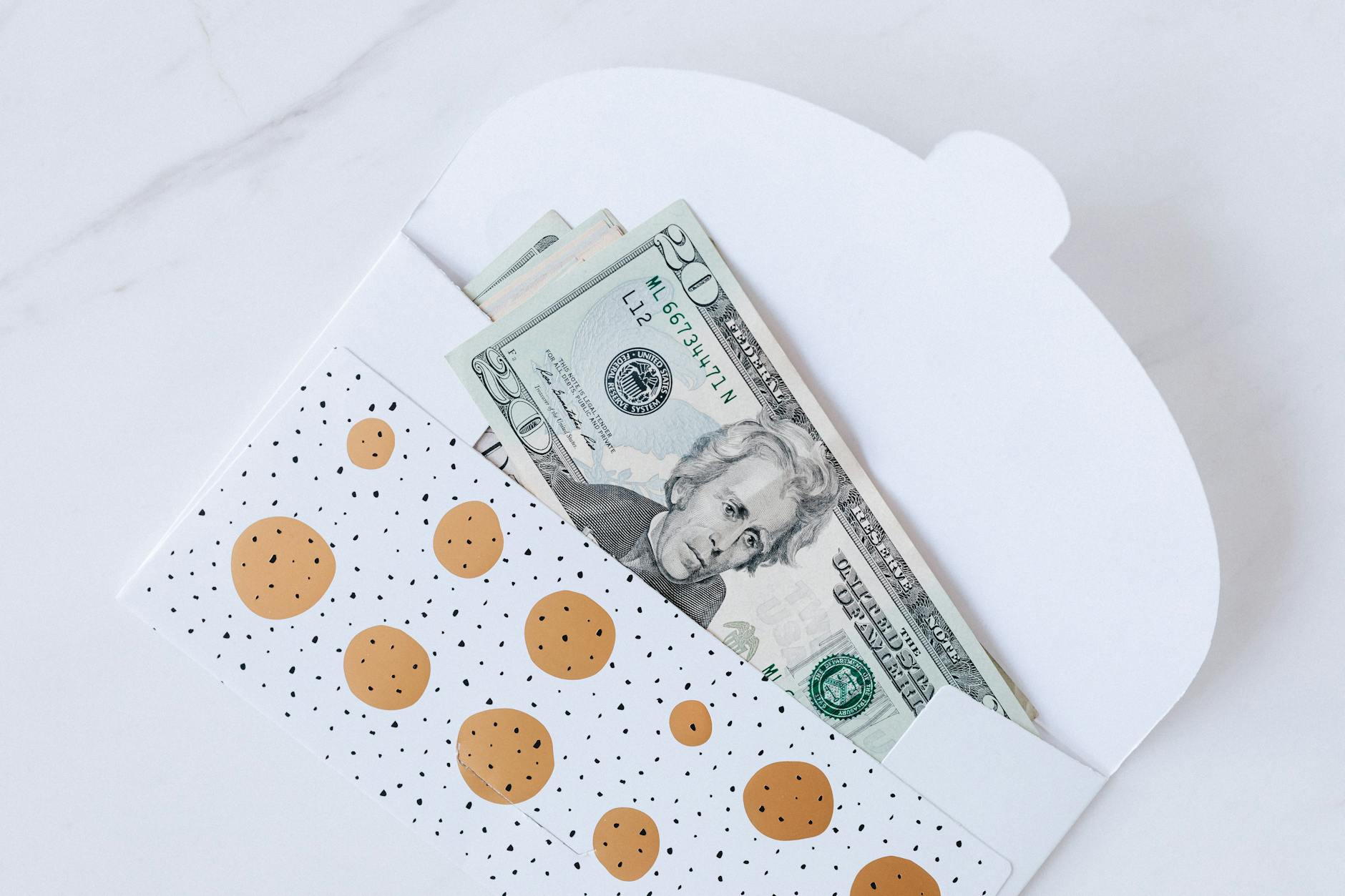
The Juul settlement’s second round of payments is substantially smaller than the first—averaging just $92.48 per claim compared to approximately $240 in the initial distribution. This dramatic reduction isn’t because the company renegotiated the settlement downward, but because the second round is funded entirely by the $15.3 million in payments that first-round claimants never collected.
Of the 843,451 people approved in October 2024, 110,396 claimants never cashed their checks, and the settlement administrator is now redistributing those uncollected funds to 165,982 newly eligible claimants starting March 20, 2026. The payout structure, eligibility requirements, and payment methods have all shifted between rounds, reflecting the different source of funds and a smaller pool of beneficiaries. This article explains exactly how much payouts have changed, why the second round exists, who qualifies, and what to expect when you receive your payment.
Table of Contents
- How Much Smaller Are the Second-Round Juul Settlement Payouts?
- Why Is the Second Round Based on Unclaimed First-Round Money?
- What Are the Eligibility Requirements for the Second-Round Juul Payout?
- How Do Individual Payment Amounts Vary in the Second Round?
- What Payment Methods Are Available for the Second-Round Settlement?
- When Will Second-Round Payments Begin?
- What Happens if You Don’t Claim Your Second-Round Payment?
How Much Smaller Are the Second-Round Juul Settlement Payouts?
The numbers tell a stark story. In the first round (October 2024 through May 2025), the average approved claimant received approximately $240 from the $300 million total settlement fund. The range was broad—some claimants received as little as $15, while others received over $10,000—but the median payout reflected a genuine distribution of the full settlement pool across 843,451 approved claimants. In the second round, launched March 20, 2026, the average payout drops to approximately $92.48 per claim.
That’s less than 40 percent of what first-round claimants received. Individual second-round payments range from $15.00 (the minimum threshold for payment eligibility) to $1,413.63 for claimants who qualify for larger redistributed amounts. The 165,982 eligible claimants in round two are competing for a much smaller prize: the $15.3 million left unclaimed from round one. This isn’t a sign that the settlement was overestimated or that the company reduced its obligation. It reflects a simple reality: about 13 percent of first-round claimants—110,396 people—never collected their payments, and the unclaimed portion must be distributed according to the settlement agreement and court order.
Why Is the Second Round Based on Unclaimed First-Round Money?
Settlement agreements typically include distribution rules for unclaimed funds. When a significant number of claimants don’t cash checks or accept digital payments, the money doesn’t revert to the defendant company. Instead, courts and settlement administrators follow the settlement terms, which often direct unclaimed funds to a secondary round of claimants who either couldn’t participate initially or are newly identified. In the Juul settlement, this proved necessary because 110,396 of the 733,055 claimants who actually collected their payments left money on the table. The reasons vary: some people move and miss notifications, others forget or lose track of claim deadlines, and some simply don’t monitor email or mail carefully.
The settlement administrator, after attempting to locate and contact these claimants, redistributed the uncollected payments. However, not all unclaimed funds go to secondary claimants. A portion may be directed to approved charities or public health organizations related to the case. In the Juul settlement, the full $15.3 million from unclaimed first-round payments was earmarked for redistribution to second-round eligible claimants, rather than reverting to other uses. This creates both an opportunity and a limitation: second-round claimants get real money, but the pool is mathematically smaller than the original settlement fund.
What Are the Eligibility Requirements for the Second-Round Juul Payout?
To receive a second-round payment, you must meet a crucial requirement: you must have already cashed or deposited your first-round Juul settlement check or digital payment. This isn’t automatic. The settlement administrator identifies second-round candidates from their records of who actually collected in round one, then verifies eligibility. The 165,982 second-round claimants are a subset of the original approved population. They weren’t excluded from round one; they were included, they cashed their payments, and now they qualify for a piece of the unclaimed redistribution.
The settlement’s mechanics are straightforward: the more claimants who qualify for redistribution, the smaller each individual payment becomes. With 165,982 eligible claimants and $15.3 million available, the math produces that $92.48 average—though actual payments vary based on factors like the amount of time funds were held unclaimed (affecting interest accrual) and specific claim attributes. For example, if you received a first-round payment in 2024 or early 2025, you’re likely in the second-round eligible pool. You don’t need to file a new claim or provide additional documentation. The settlement administrator uses its own records to determine who qualifies and automatically processes second-round payments to claimants’ original payment methods on file.

How Do Individual Payment Amounts Vary in the Second Round?
While the average second-round payout is $92.48, individual amounts range from $15 (the minimum) to $1,413.63 (the maximum). This variation reflects a proportional distribution method: claimants don’t receive equal amounts, but rather shares of the $15.3 million pool calculated based on their eligibility status or original claim characteristics. The settlement administrator doesn’t publish the exact formula for determining individual second-round amounts, but it’s typically based on factors such as the original claim approval status, the amount of time the settlement funds accrued (longer held funds may accumulate more interest), and any interest or penalties included in the unclaimed disbursements.
Some claimants might receive amounts closer to the minimum threshold, while others—perhaps those with documented longer exposure or specific claim characteristics—receive substantially more. This is a key difference from first-round payments, where the range ($15 to over $10,000) reflected a wider variance in claim values. The second-round range is narrower because the total pool is smaller and distributed among fewer claimants. If you received a first-round payment of $500, your second-round amount might be proportionally adjusted, but it won’t simply be a percentage of your first payment.
What Payment Methods Are Available for the Second-Round Settlement?
The second round uses the same payment infrastructure as the first round, giving claimants multiple options for how they receive their money. You can choose to receive your second-round payment via virtual MasterCard, Amazon card, Venmo, PayPal, ACH (direct bank transfer), or a mailed check. The settlement administrator makes all methods equally accessible—you’re not penalized or delayed for choosing one over another. Virtual MasterCard and Amazon cards are processed as immediate digital solutions, useful if you want access to funds quickly without a bank account. Venmo and PayPal are ideal if you already use those platforms.
ACH is the fastest reliable option for claimants with bank accounts, typically posting within 2-3 business days. Mailed checks are the slowest method but don’t require digital access or a bank account. A critical consideration: the settlement administrator may have your payment method from your first-round claim on file. They typically use this method for the second-round payment unless you update your preferences. If your contact information or payment method has changed since round one, you should verify your details with the settlement administrator before payment processing begins. Failing to update could result in a check going to an old address or a payment method you no longer use.

When Will Second-Round Payments Begin?
The second-round distribution officially began on March 20, 2026. However, “distribution began” doesn’t mean all claimants received funds on that date. The settlement administrator processes payments in batches, so depending on your payment method and processing times, your funds may arrive in the days or weeks following the March 20 start date.
If you’re receiving payment by digital method (Venmo, PayPal, ACH, or virtual card), expect your funds within 5-15 business days of the official distribution start. Mailed checks may take 2-4 weeks from the distribution date to arrive, depending on your location and postal service processing times. You should monitor your original claim notification email or the official settlement website for specific updates about your payment status. Many claimants can track their individual payment processing through an online portal once the distribution is underway.
What Happens if You Don’t Claim Your Second-Round Payment?
History has a way of repeating itself. Just as 110,396 first-round claimants never collected their funds, some second-round claimants may similarly overlook or fail to claim their redistributed payments. The settlement agreement includes provisions for this scenario as well, though the specifics depend on court orders and administrator guidelines.
If the second-round distribution proceeds and additional funds remain unclaimed after all reasonable attempts to locate and contact eligible claimants, the settlement terms dictate the next step—typically directed to approved charities or public health organizations related to tobacco, nicotine addiction, or youth smoking prevention. The key takeaway: if you’re eligible for a second-round payment, claiming it ensures you receive compensation you’re entitled to. Letting it go unclaimed means that money benefits someone else, not you.