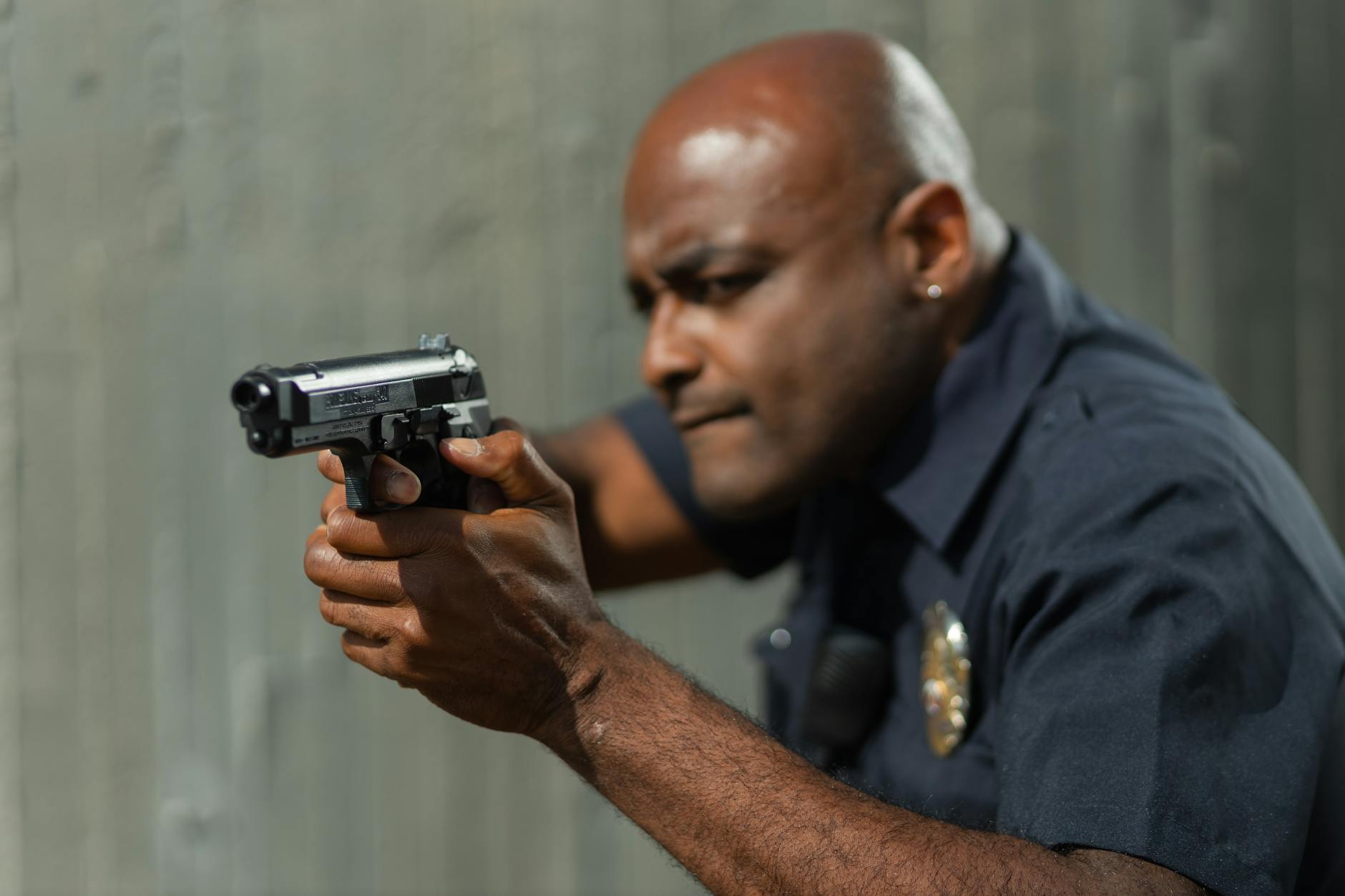
Yes, multiple class action lawsuits have successfully targeted major police departments for blanket use of force tactics deployed against protesters at Black Lives Matter demonstrations in 2020. The New York City Police Department faced the most significant settlement to date—a $13 million-plus agreement finalized in September 2023 on behalf of approximately 1,380 protesters arrested between May 28 and June 4, 2020. This landmark case established that police departments across the country had engaged in systematic misconduct including improper baton strikes, excessive pepper spray deployment, kettling tactics, and wrongful arrests during what many participants had intended as peaceful demonstrations.
Beyond New York, at least five other major U.S. cities have settled similar lawsuits: Seattle ($10 million), Denver ($4.72 million class action plus a separate $14 million jury award), Philadelphia ($10 million), Minneapolis ($700,000), and Los Angeles (class certification approved in federal court). These settlements collectively represent a watershed moment in police accountability litigation, finally forcing departments to compensate protesters who suffered documented injuries—from blast ball wounds and permanent hearing loss to broken bones and even triggering heart attacks.
Table of Contents
- What Made These 2020 Police Response Lawsuits Different?
- The Major Settlements and Their Scope
- The Documented Misconduct Tactics
- Settlement Payouts and How They Were Calculated
- Challenges in Proving Police Misconduct in Protest Cases
- How Injured Plaintiffs Documented Damage
- Broader Implications for Police Accountability and Future Protests
What Made These 2020 Police Response Lawsuits Different?
The 2020 Black Lives Matter protests triggered a coordinated response across U.S. police departments that departing from traditional protest policing in scale and aggression. What distinguished these lawsuits from previous police misconduct cases was not isolated incidents but rather evidence of blanket policies—documented patterns where departments applied aggressive tactics indiscriminately to crowds, including toward journalists, medics, and protesters explicitly adhering to peaceful demonstration principles. The NYPD cases, for example, centered on the “kettling” tactic: police created barricaded zones and trapped large crowds of people, then mass arrested hundreds regardless of individual behavior. This represented a shift in litigation strategy as well. Instead of individual excessive force claims, civil rights organizations and injured plaintiffs’ attorneys pursued class action certification.
This approach made financial settlements larger and more visible, created precedent for future protest cases, and publicly documented systemic policies rather than framing incidents as aberrations by individual officers. The success of these class actions—particularly NYC’s federal approval—signaled to other cities and plaintiffs’ attorneys that such claims had substantial legal merit. A critical limitation, however: these settlements typically do not include criminal convictions or policy reforms beyond monetary damages. Settlements are civil cases where officers rarely face personal consequences; departments pay from municipal budgets. Some settlements included injunctions prohibiting future tactics (Minneapolis notably agreed to ban chemical agents against lawful protesters), but most were purely financial. This means a settlement does not guarantee structural change, only compensation.

The Major Settlements and Their Scope
The New York City Police Department’s $13 million settlement represents the largest payout in a protest-related class action suit in U.S. history as of 2023. The case involved 1,380 plaintiffs arrested during the initial days of NYC protests following George Floyd’s death. The settlement averaged approximately $9,950 per plaintiff, with variations based on documented injuries and arrest circumstances. The misconduct allegations included improper baton strikes, improper pepper spray use, improper force applications, wrongful arrests, and the systematic kettling of protesters in city blocks where police blocked all exits, entrapped crowds, and then mass arrested participants—many of whom had been peaceful. Seattle’s $10 million settlement covered 50 plaintiffs (protesters and journalists) and included extraordinarily specific injury documentation.
Victims included individuals struck by blast balls (explosive-like rubber projectiles), with one woman suffering a heart attack from the shock and fear of being struck. Others sustained permanent hearing loss, hospitalization-level injuries, broken bones, and concussions. The King County Superior court approval of this settlement sent a clear message: departments could not claim blast balls and other ostensibly “non-lethal” weapons were harmless. Denver’s dual settlements totaled $18.72 million when combined: a $4.72 million class action covering over 300 people detained solely for violating the city’s imposed curfew (not for specific criminal conduct), plus a separate $14 million jury award to 12 protesters in a related case decided in March 2022. Philadelphia’s nearly $10 million settlement addressed civil rights violations against hundreds of Black residents and protesters, while Minneapolis approved a $700,000 settlement in October 2022 plus a separate injunction banning future use of chemical agents, flash bang grenades, foam-tipped bullets, and arrests for lawful protest activity. Los Angeles has not yet settled but a federal judge certified a class action (case 2:20-cv-05027 in the Central District of California), meaning the case will proceed as a class lawsuit with potentially broader financial exposure for the city.
The Documented Misconduct Tactics
Police departments deployed a specific arsenal of tactics against 2020 protesters that became central to these lawsuits. Baton strikes constituted improper force in many cases—officers hit individuals who posed no threat or resisting arrest threat. Pepper spray and tear gas were deployed indiscriminately into crowds rather than targeted at specific individuals or discrete threats. Blast balls—rubber projectiles roughly the size of a baseball that explode with force—injured numerous plaintiffs; the Seattle settlement explicitly documented that these projectiles caused permanent hearing damage, eye injuries, and in one case triggered a cardiac event. The kettling tactic, most prominent in the NYC settlement, involved police creating closed perimeters and preventing any exit. Protesters trapped inside had no ability to leave, creating a situation where mass arrest became inevitable and peaceful demonstrators were arrested alongside anyone in the trapped area.
This violated the established legal principle that police cannot arrest someone simply for remaining in a location when authorities have blocked the only exits. Philadelphia and other departments similarly deployed tactics where the action of protesting itself, or remaining in a public space during protest hours, became grounds for arrest absent any criminal conduct. However, a critical limitation of these lawsuits: documentation of individual injury was necessary. Plaintiffs who were arrested but not physically injured, or who were present during misconduct but not directly struck or exposed, often had weaker claims and lower settlement payouts. This means that systemic policy misconduct—while compensated—still required individuals to prove they personally suffered damages. Some plaintiffs also faced challenges proving causation; for example, linking permanent hearing loss definitively to a blast ball incident could require expert testimony.
Settlement Payouts and How They Were Calculated
Settlement structures varied by jurisdiction but generally followed a per-plaintiff model where individuals who joined the class received payments based on documented injuries and circumstances. The NYPD’s $9,950 average per 1,380 plaintiffs shows how individual payouts in large class actions distribute funds. However, these were averages; plaintiffs with documented hospitalization-level injuries received higher payouts than those arrested and released without serious physical injury. Seattle’s approach differed slightly, with the $10 million divided among 50 plaintiffs—yielding $200,000 average per plaintiff, substantially higher than NYC’s per-person average. This reflected Seattle’s smaller plaintiff pool and the severity of documented injuries.
The Denver curfew violation class action also operated differently: over 300 plaintiffs who were detained solely for curfew breaches (not charged with additional crimes) split the $4.72 million, while the separate jury award of $14 million was distributed to just 12 plaintiffs, resulting in substantially higher individual payouts ($1.17 million per plaintiff on average in that case). A tradeoff plaintiffs faced: larger class actions aggregate more money overall but distribute it across more people, resulting in smaller individual checks. Smaller class actions or individual lawsuits that proceed to jury verdict (like the Denver jury award) can result in higher per-plaintiff payouts but require case-by-case litigation and carry risk of losing at trial. The NYPD settlement’s size meant broader class membership but lower individual payouts; Denver’s jury award meant far fewer plaintiffs but substantially higher compensation for those who succeeded. Plaintiffs had to decide whether joining a large settlement class or pursuing individual litigation better served their interests.
Challenges in Proving Police Misconduct in Protest Cases
One major challenge in these lawsuits involved establishing that police conduct violated clearly established law. Even when departments acknowledged use of force, proving it was “excessive” or “unreasonable” required showing it departed from proper training and policy. Many police departments claimed they trained officers in crowd control tactics, baton strikes, and blast ball deployment, which created a legal defense: if the department authorized the tactic, was it misconduct? These settlements partially resolved that question by establishing that blanket application of such tactics across entire crowds—indiscriminately striking or gassing peaceful protesters—exceeded any reasonable authorization. However, if an individual officer could claim specific circumstances where they believed a strike or deployment was necessary for a specific person, that created factual disputes. Plaintiffs had to produce video evidence, eyewitness testimony, medical records, and expert analysis. Cases lacking such documentation were weaker.
A significant limitation: municipal settlement agreements do not require admission of wrongdoing. Departments frequently settled while maintaining that officers acted appropriately. This meant some cases resolved financially while the underlying policy and legal question remained disputed. From the city’s perspective, paying a settlement avoided costly litigation and preserved potential arguments for future cases. From plaintiffs’ perspective, they received compensation but without the legal victory and precedent that comes from a court judgment. Some civil rights advocates argued these settlements, while financially significant, did not adequately establish accountability or force reform.
How Injured Plaintiffs Documented Damage
Medical documentation was central to higher settlement payouts. Plaintiffs who were hospitalized, received emergency room treatment, or had ongoing medical care had stronger claims. Seattle’s cases involving blast ball injuries, for example, included emergency room records, imaging scans showing internal injuries, and in one case, cardiac evaluation and treatment records. Hearing loss cases required audiological testing and expert testimony that the loss resulted from the blast ball exposure, not pre-existing conditions.
Video evidence and witness testimony supplemented medical records. Many 2020 protests were extensively documented on video—by protesters, journalists, and observing citizens. Cases with clear video showing an officer striking a peaceful, non-threatening person had stronger causation evidence. Expert testimony from police practices analysts helped establish that certain tactics violated training standards or reasonable police procedures. In the NYC kettling cases, expert testimony explained how preventing exit from a perimeter violated established arrest law principles.
Broader Implications for Police Accountability and Future Protests
These settlements established that police departments face substantial financial liability for blanket use of force tactics against protesters. The scale of payouts—particularly the $13 million NYPD settlement—created incentive for other municipalities facing similar lawsuits to settle rather than litigate. Legal precedent from class certification in these cases (particularly the LA federal court approval) will shape future protest-related litigation, as judges increasingly recognize the viability of class actions in this context. Looking forward, these settlements may influence protest policing practices.
The Minneapolis injunction banning chemical agents and certain weapons set a template that civil rights organizations can demand in future settlements. However, the reality remains that enforcement of injunctions depends on subsequent litigation if violations occur. The settlements compensated victims of 2020 misconduct but do not guarantee 2026 protests will involve different police practices. Departments could still deploy the same tactics, creating liability for future settlements rather than changing conduct prospectively. True reform would require legislation or federal oversight—neither of which these settlements mandated.