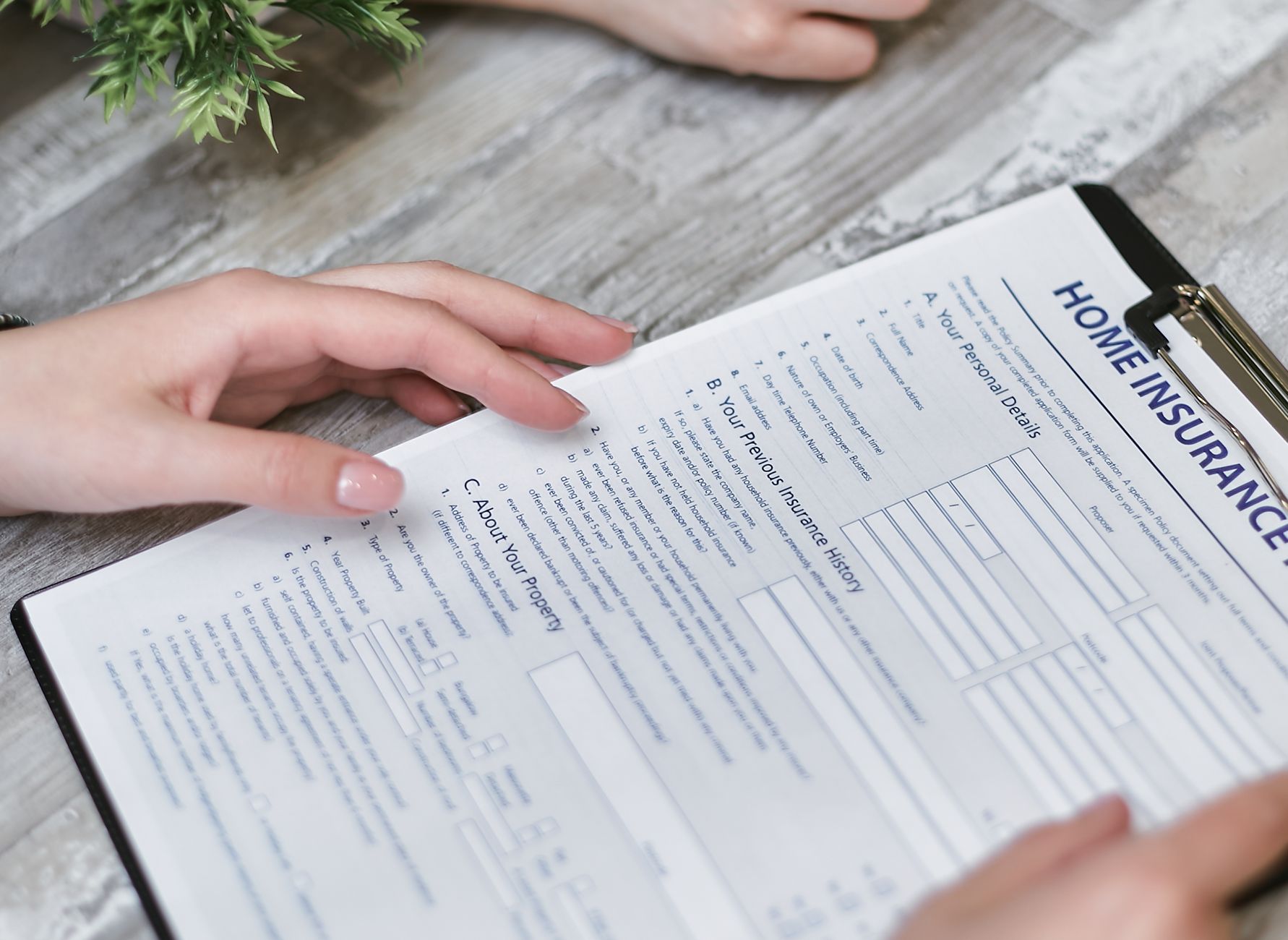
To verify an automotive class action claim in 2026, match the notice to a real court docket and approval orders, then check your VIN and ownership records against the class terms. An automotive class action claim is a request for payment or repair benefits under a lawsuit settlement covering a defined group of vehicles. A federal settlement takes effect only after the court directs notice to class members and holds a hearing finding the deal fair, reasonable and adequate. The Cornell Legal Information Institute explains this approval process in the Federal Rule 23 text.
Official resources:
- Read the official notice from Uscourts — Use this primary source to verify the official announcement.
- Read the official notice from FTC — Use this primary source to verify the official announcement.
Table of Contents
- Is there a real court case behind the notice?
- What must a real settlement notice tell you?
- What evidence proves your car qualifies?
- What red flags mark an auto-claim scam?
Is there a real court case behind the notice?
Start with the caption, court name and docket number printed on the notice or ad. Verify them by matching that information in the PACER Case Locator, as described by the Administrative Office of the U.S.
Courts in the PACER Case Locator guide. Then read the docket entries for the settlement agreement and the preliminary and final approval orders. If those filings are missing, the payment offer is not ready to pay.
- Copy the case name, court and docket number from the notice
- Search that exact caption and number in the locator
- Open the settlement agreement and approval orders on the docket
What must a real settlement notice tell you?
A real auto notice must state the case name, court, class vehicle years and models, class period, claim deadline, administrator contact and objection and opt-out rights in plain language. Federal Rule 23 requires best practicable and plain-language notice with those practical details.
Use those details as your checklist before you share documents. If the vehicle list, dates, deadline or administrator contact are vague or missing, pause and recheck the docket.
What evidence proves your car qualifies?
Automotive claim evidence centers on the exact 17-character VIN plus ownership or lease records, repair invoices and dates showing coverage during the class period. Check the VIN first against the official VIN lookup.
The National Highway Traffic Safety Administration provides that vehicle-specific check through its NHTSA recall lookup. NHTSA also reported 997 vehicle safety recalls affecting more than 29 million vehicles in 2025, so enter the VIN or plate at NHTSA.gov/Recalls to see unrepaired recalls on that exact car.
What red flags mark an auto-claim scam?
Any demand for an upfront processing, tax, release or retainer fee, gift card, wire, crypto or bank and Social Security details to release auto settlement money is a scam. The Federal Trade Commission advises that legitimate agencies never require payment to issue refunds. Real FTC auto enforcement pays through named administrators consumers can call, such as Epiq at 1-888-691-6050 for Ed Napleton Automotive refunds and Analytics at 855-298-8877 for CarShield vehicle-service-contract refunds.
The Federal Trade Commission identified those payment channels in the FTC's December 2025 CarShield refund announcement. Confirm notices by typing ftc.gov/refunds or the court and administrator site yourself and calling the number on that official page. Report fakes to ReportFraud.ftc.gov and online fraud to the FBI at ic3.gov, and check state clerk records separately because PACER covers federal courts only and FTC pages cover FTC cases only.
- No fee is needed to release refund money
- No gift card, wire or crypto payment is legitimate
- No bank login or Social Security number unlocks a settlement check