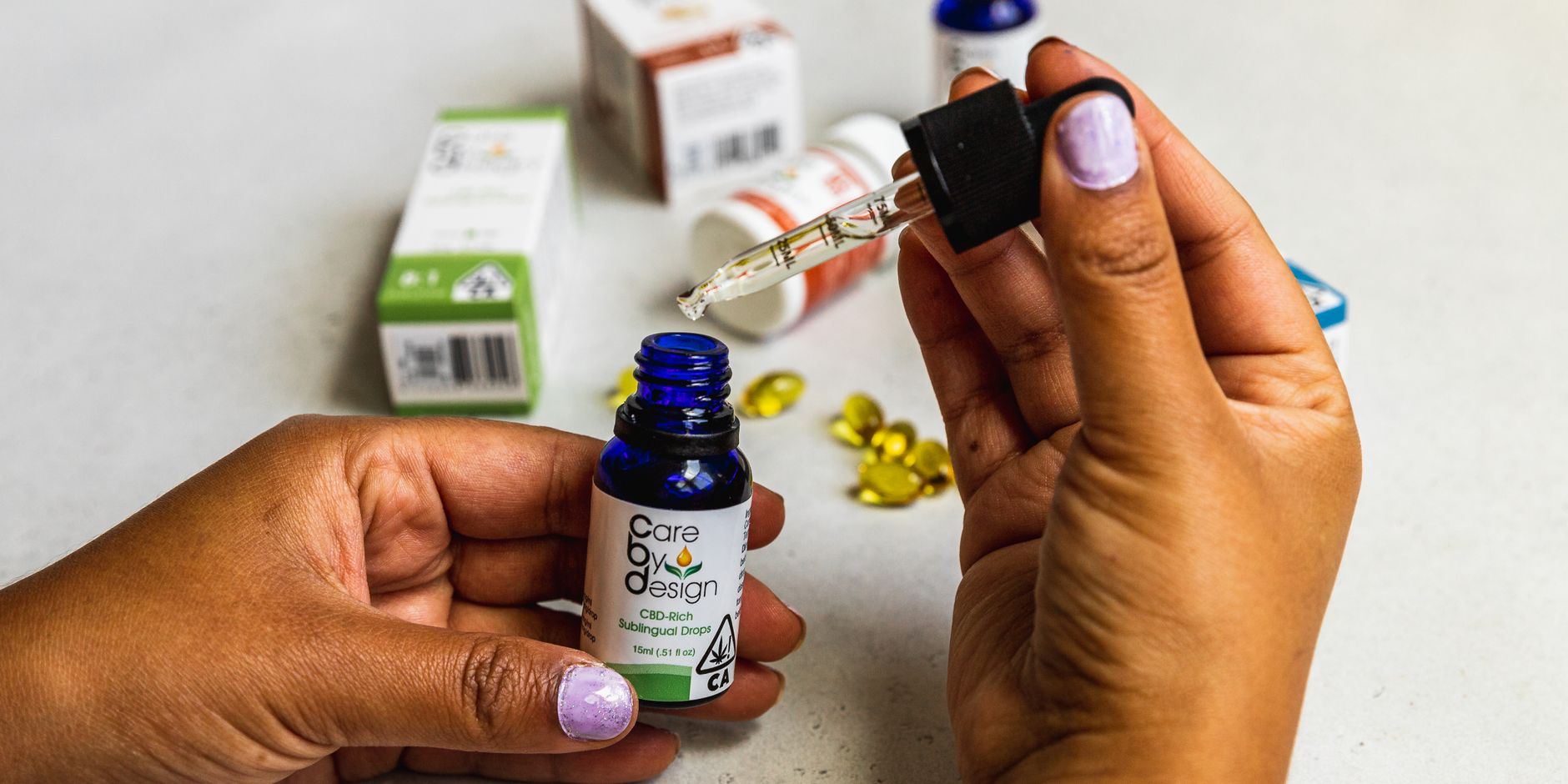
A CBD product lawsuit turns on three things: papers that identify the exact product and lot, lab testing that shows what was really inside, and experts who link that contents to your injury or loss. Causation means proof that this product caused this harm, not that CBD can cause harm in general. This guide is for shoppers considering a claim over mislabeled CBD, hidden THC, unproven health claims, or a failed drug test. It explains what to save, which tests matter, and where cases often fall short.
Official resources:
- Read the official guidance from FDA — Use this primary source to verify the official guidance.
- Read the official guidance from FDA — Use this primary source to verify the official guidance.
Table of Contents
- What papers should you keep?
- How do you show the label was wrong?
- Which experts do cases use?
- How do you connect the product to job loss or injury?
What papers should you keep?
Save the sealed product, outer box, label, receipt, and any batch number or QR code. Keep the batch-matched certificate of analysis, plus medical or employment records tied to the event.
Land Line Media reported that the trucker in the Dixie X case preserved extra oil for independent testing and tied it to job loss. One lot result cannot prove every lot, so keep each bottle separate and do not mix lots.
- sealed product and packaging with lot or batch number
- store or online receipt and order confirmation
- batch-matched certificate of analysis
- drug-test result, termination letter, or medical visit notes
How do you show the label was wrong?
Independent potency testing is the core proof. Federal law defines hemp as Cannabis sativa L.
with no more than 0.3 percent delta-9 THC by dry weight, according to the USDA, so a result above that line makes the product federally unlawful marijuana as described in the USDA hemp FAQ. Researchers testing 84 online CBD extracts found only about 31 percent accurately labeled for CBD and found THC in 18 products, as reported in the 2017 JAMA study. A later Johns Hopkins review of retail topicals found only 24 percent of 89 CBD-labeled products accurately labeled, with THC in 37 products including four labeled THC-free.
Which experts do cases use?
Label experts compare the front label, supplement facts, website claims, and certificate of analysis against lab results. Regulatory experts address FDA warning letters for unapproved drug claims and misbranded CBD foods and supplements. Medical experts address warnings and harm.
According to the FDA, CBD can cause liver injury, interact with other drugs, and produce drowsiness, diarrhea, appetite loss, irritability and agitation, points detailed in the FDA consumer update on cannabis products. For disease or efficacy claims, the FTC's Dec. 20, 2022 guidance calls for prior competent and reliable scientific evidence, generally randomized controlled human trials.
How do you connect the product to job loss or injury?
Show use, exposure, and loss in order: purchase of the specific lot, use as directed, positive test or medical event, then firing, lost pay, or treatment. Use toxicology, employment, and medical records to rule out other THC sources and document timing and dose.
Workers fired after THC positives from allegedly THC-free CBD gained a damages path in Medical Marijuana v. Horn, decided April 2, 2025, where the Supreme Court held 5-4 that civil RICO allows treble damages for business or property loss even when resulting from personal injury, as summarized by WilmerHale in the Supreme Court RICO analysis. Keep sealed product from the same lot for retesting because a different lot cannot carry causation for you.