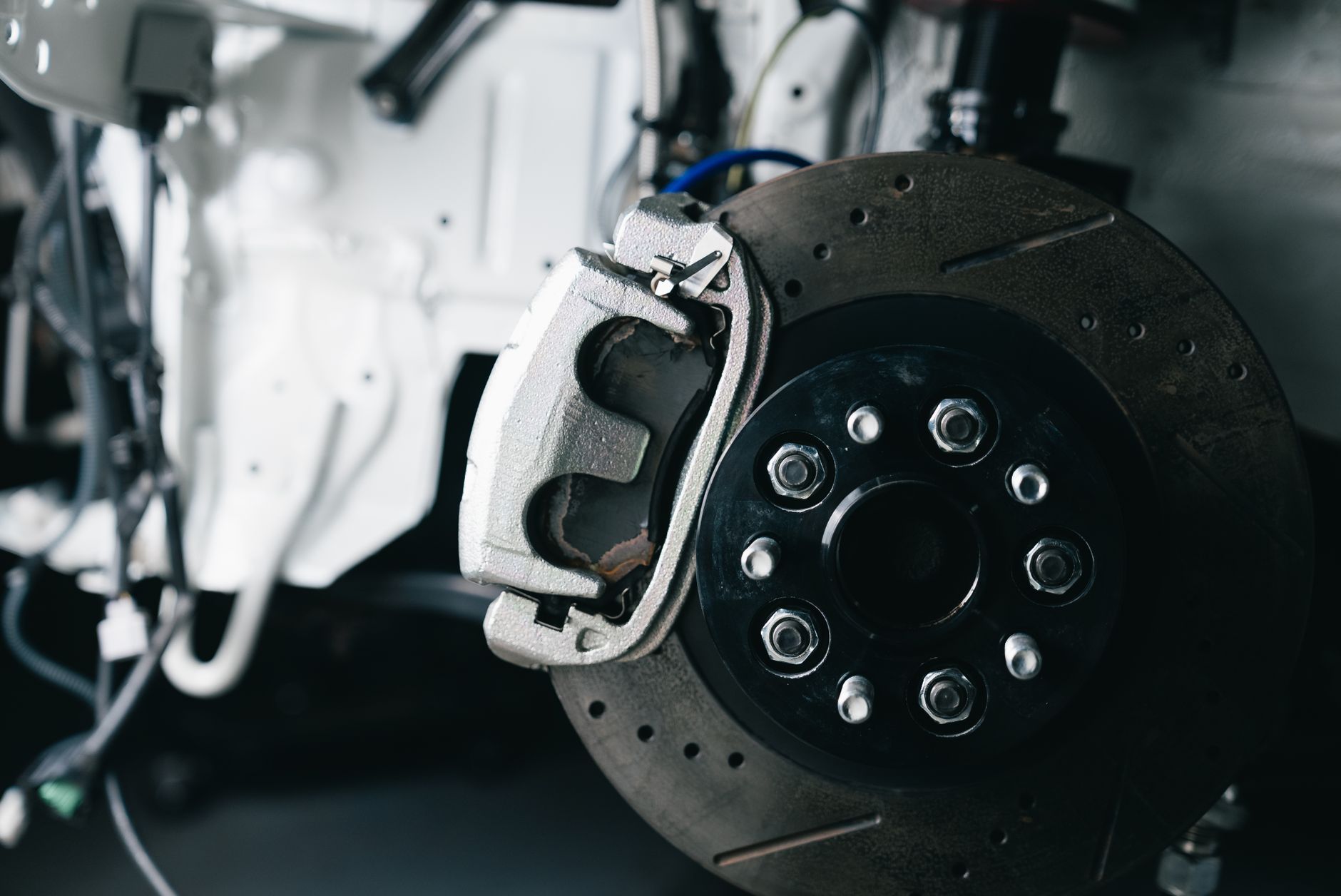
Proof of a brake defect means showing the seller sold the vehicle, the brakes were defective, and the defect caused injury during intended use. Products liability, the law holding sellers responsible for unsafe products, also requires fitting the failure into a manufacturing, design, or warning defect.
The Cornell Legal Information Institute lays out that test in its Wex entry on products liability. For drivers, that means evidence must tie the crash car to the defect. Complaints about other cars and news about an open probe do not carry the same weight.
Official resources:
- Apply through Govinfo’s official page — Use this page to review requirements and apply directly.
- Read the official guidance from Cornell — Use this primary source to verify the official guidance.
Table of Contents
- Manufacturing defect or design defect?
- How do federal brake standards fit in?
- What should you preserve after brake failure?
- Why does expert proof matter so much?
- Does an investigation or recall prove defect?
Manufacturing defect or design defect?
A design defect means the brake blueprint was inherently dangerous even if built perfectly. A manufacturing defect means one unit deviated through error or substandard materials, as Nix Patterson explains in its guide to proving a product liability case. A federal district court filing quoting Restatement (Third) of Torts Section 2 recognizes a third category.
That category is inadequate warnings about foreseeable brake risks. A cracked seal on one master cylinder points toward manufacturing. Undersized rotors that overheat across the model line point toward design.
How do federal brake standards fit in?
Federal Standard No. 135 aims to ensure safe braking under normal and emergency conditions. Cornell LII's current text of 49 CFR 571.135 says it applies to passenger cars built since Sept. 1, 2000.
NHTSA test procedures include a cold-effectiveness stop within 230 feet from 62 mph. They also include a 551-foot stop with brake-assist power disconnected, according to the NHTSA test document in the EA20-001 record. A failed standard-style test supports a claim but does not prove the crash car was defective. Nix Patterson's product-liability guidance stresses that corroboration never replaces proof of defect and causation in the crash vehicle.
What should you preserve after brake failure?
Event data recorders log pre-crash speed, throttle position, and whether the brake was applied. NHTSA described that function in its Federal Register summary of the 2024 EDR rule. The 2024 rule expanded capture from 5 seconds at 2 Hz to 20 seconds at 10 Hz.
NHTSA phases it in from September 2028 to full compliance in September 2031, so most cars on the road lack the longer window. Nix Patterson's expert-examination guidance urges early preservation. Act before repair or resale erases the proof.
- Keep the vehicle unrepaired and stored securely.
- Download EDR and brake-system data promptly.
- Retain a qualified engineer to inspect the car.
Why does expert proof matter so much?
Cornell LII's text of Rule 702 says expert testimony needs sufficient facts, reliable methods reliably applied, and clear help to the factfinder. The judge acts as gatekeeper. A brake engineer links the failure mode to the crash sequence.
The inspection also rules out worn pads, poor maintenance, or misuse as the cause. Without that methodical link, a court can exclude the opinion. Exclusion often ends the defect claim before trial.
Does an investigation or recall prove defect?
An open Engineering Analysis means investigators are still asking questions. Acta Verum's report on the NHTSA investigation notes EA26006 is an open probe with no defect finding, not a recall.
An open probe alone does not prove a brake defect. Claimants still need defect and causation evidence from the crash vehicle. Keep the car, save the data, and get an engineer involved before repairs erase the proof.