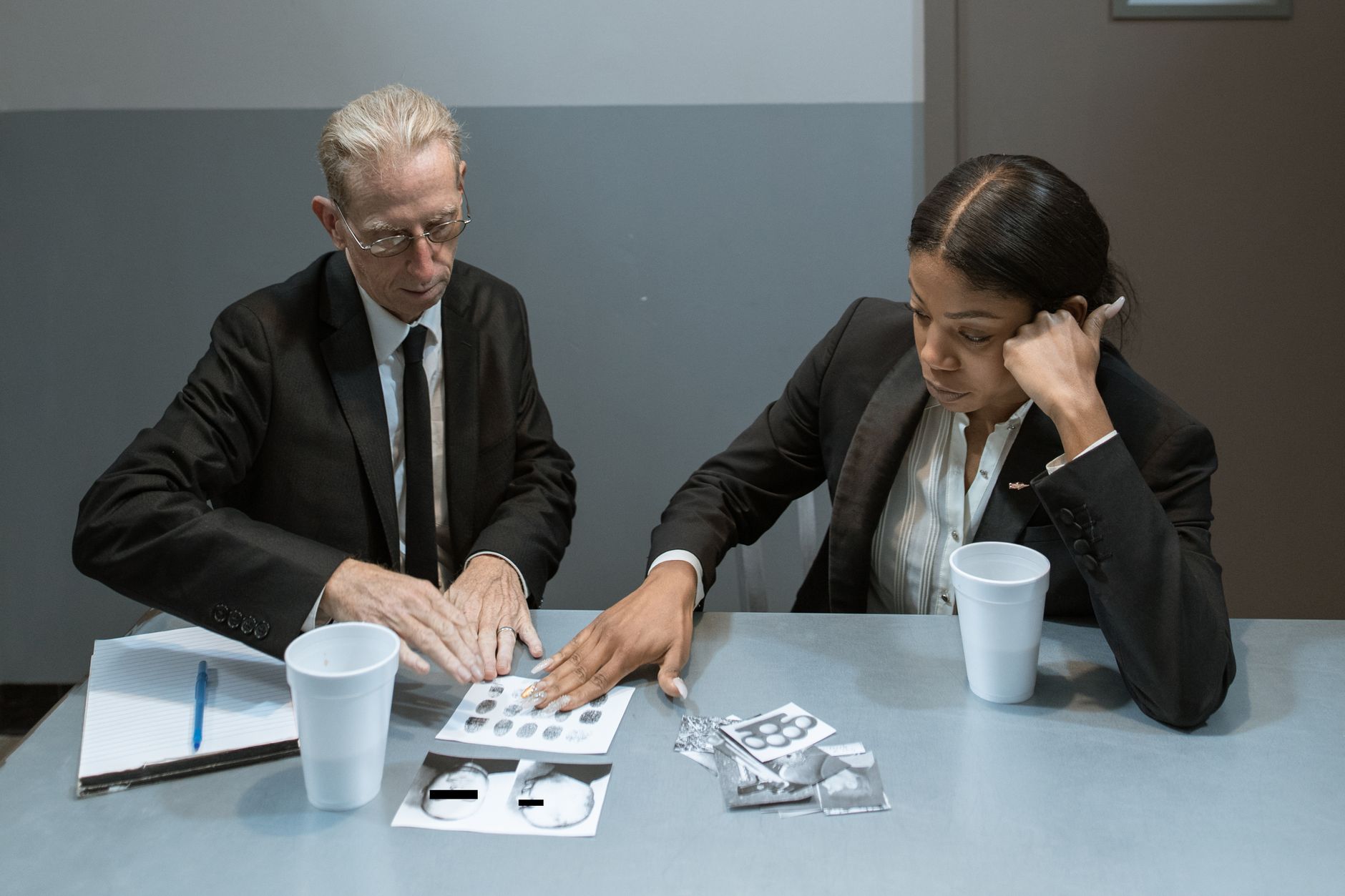
Yes, Illinois employees can file a BIPA claim over a workplace fingerprint scanner. The Illinois Biometric Information Privacy Act (BIPA) protects fingerprints and gives workers a private right to sue private employers.
According to FordHarrison, BIPA expressly covers fingerprints collected by Illinois employers using fingerprint timeclocks in the FordHarrison employer alert. That makes a timeclock scan a legal issue when required steps are skipped. The question is usually whether the employer gave proper notice and got proper consent.
Official resources:
- Read the original research from Harvard — Use this page to review the original research.
- Read the official notice from Legal500 — Use this primary source to verify the official announcement.
Table of Contents
- What employers must do before a scan
- When workers can sue without data misuse
- Why timeclock cases grew, then narrowed
- What to check before you act
What employers must do before a scan
Before collecting an employee fingerprint, the employer must give written notice, state the purpose and storage period, and obtain a written release under Section 15(b), as explained by the Harvard Journal of Law and Technology in the Rosenbach v. Six Flags analysis. The same analysis notes that Section 20 allows an aggrieved person to seek damages, fees, and court orders.
A verbal explanation at orientation is not enough. A poster near the timeclock is not enough. Look for a dated paper or electronic form that names fingerprint collection, explains why it is used, and states how long data is kept.
When workers can sue without data misuse
Illinois workers do not need to show identity theft, leaked data, or lost pay to file. The Harvard Journal of Law and Technology reports that the Illinois Supreme Court held in Rosenbach v. Six Flags in 2019 that violation of BIPA rights alone supports a suit.
That rule matters for routine timekeeping. A worker can allege harm because the employer collected or stored fingerprint data without the written disclosures and release. The claim focuses on the missing process, not on later misuse.
Why timeclock cases grew, then narrowed
White Castle workers alleging fingerprint timekeeping without written consent and storage disclosures obtained final approval of a $9.39 million settlement in federal case 1:19-cv-00382, as reported by Legal 500 and Hall Benefits Law in the White Castle settlement report. The case shows how one timeclock system can affect many workers. Exposure then grew when the Illinois Supreme Court held in Cothron v.
White Castle in 2023 that each unconsented scan or transmission created a separate claim, according to Seyfarth via Legal 500. Lawmakers responded effective Aug. 2, 2024, with SB 2979. Reed Smith reports that repeat collection from the same person by the same method now counts as one violation and electronic signatures can serve as releases in the Reed Smith amendment analysis.
What to check before you act
BIPA allows $1,000 per negligent violation or $5,000 per intentional or reckless violation, according to Davis Wright Tremaine. The same firm reports that the Seventh Circuit held in April 2026 that the 2024 single-recovery limit applies retroactively to pending cases. Older pay-period math may no longer control current value.
Save what proves your timeline and consent status: Do not assume every scanner stores a fingerprint image. Some systems store a template. BIPA can still apply, but the facts control eligibility. Talk to an Illinois employment lawyer with your documents before filing.
- hire date, work locations, and dates you used the scanner
- photos of timeclock postings, handbooks, and onboarding papers
- any fingerprint consent form, with signature date and wording
- pay stubs or schedules showing Illinois workdays