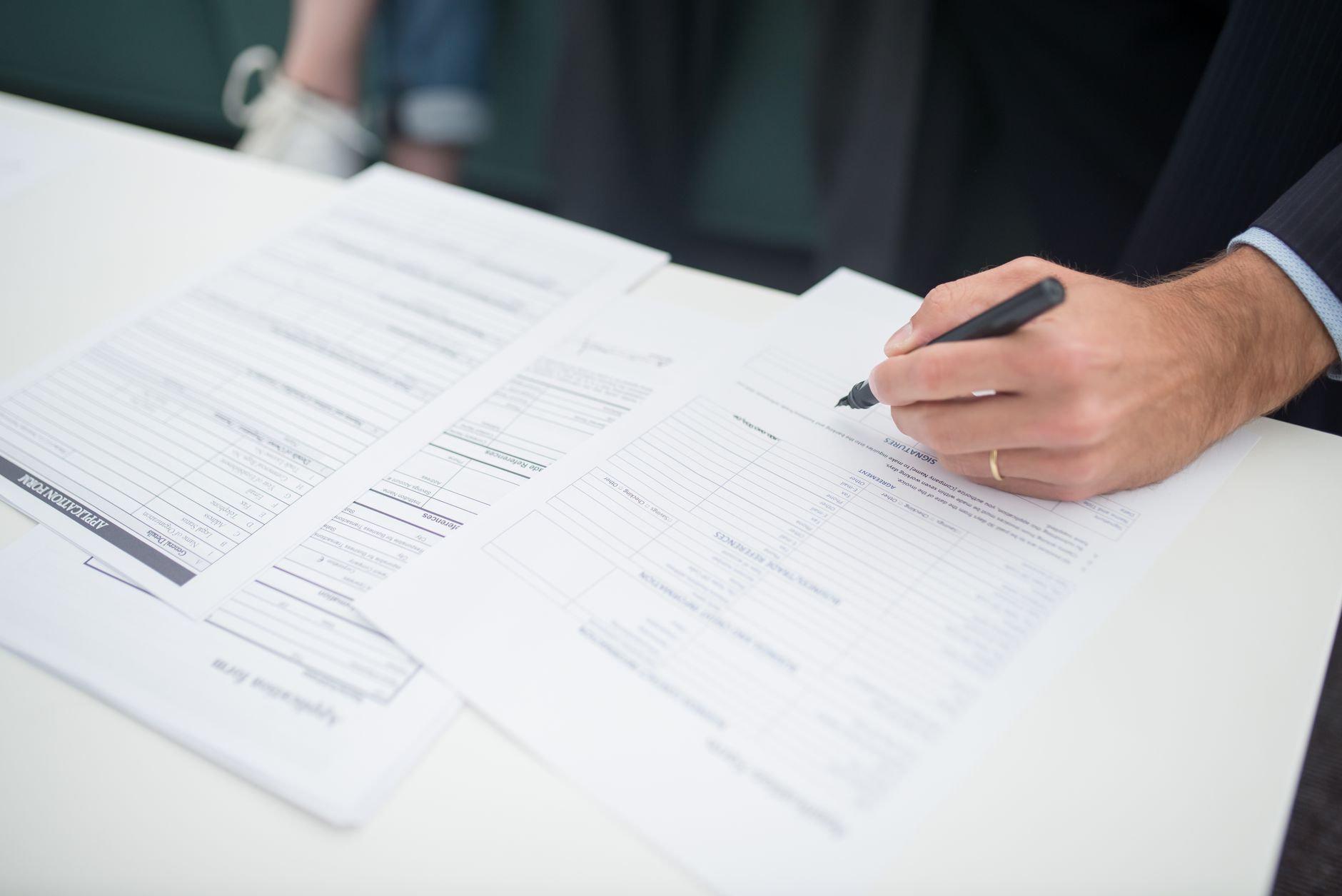
After you submit a fraud remission claim form, a federal review team checks your petition and validates your claimed loss against case records. If reviewers approve you as eligible, you receive a payment from forfeited funds. Remission is victim compensation paid from assets forfeited in a federal fraud case. Filing starts the review, but filing alone does not create a right to payment.
Official resources:
- Read the official guidance from FTC — Use this primary source to verify the official guidance.
- Read the official notice from Justice — Use this primary source to verify the official announcement.
Table of Contents
- Who reviews your petition?
- What must you prove to qualify?
- Will you receive your full loss?
- How will you receive payment?
- Is an FTC refund different?
Who reviews your petition?
The U.S. Department of Justice states that its Asset Forfeiture victim-compensation team handles the review, including attorneys, accountants, auditors and claims analysts, as described in DOJ victim-compensation guidance.
DOJ also hires a remission administrator such as Verita, Epiq or Kroll to help process claims. That combined team reviews each petition one by one. It compares the loss you claimed with the records from the underlying case.
What must you prove to qualify?
The Legal Information Institute publishes the federal remission rule, which requires a specific pecuniary loss directly caused by the offense, as explained in the federal remission rule. You must support that loss with documentary evidence such as receipts or transaction records. Recovery is limited to fair market value on the loss date.
Only petitioners found eligible and approved under 28 C.F.R. Part 9 receive money from forfeited funds. A complete form helps reviewers reach that decision:.
- state a specific dollar loss tied to the fraud
- show the direct connection to the offense
- attach receipts, statements or transaction records
Will you receive your full loss?
The Department of Justice generally pays on a pro rata basis when approved losses exceed available net proceeds after costs, according to federal forfeiture guidance. Each approved victim then receives a proportionate share rather than the full claimed loss.
That limit matters when a large fraud produces many victims. If valid claims total twice the available funds, each approved victim receives about half of the approved amount.
How will you receive payment?
The DOJ Backpage Remission FAQ states that approved remission is paid by mailed check from the administrator, as explained in the Backpage remission FAQ. Cash the check promptly and tell the administrator about a new address or any new recovery for the same loss.
The administrator will notify you if your petition is incomplete. Respond quickly with the requested records. The Justice Department also states that victims never must pay to participate in or receive remission.
Is an FTC refund different?
The Federal Trade Commission follows the same validate-then-pay pattern. It states that it is reviewing claims and expects to send payments later in 2026 after review and validation finish.
The Commission sends payments by check, prepaid card, PayPal, Venmo or Zelle, based on the selected method. Its guidance tells check recipients to cash within 90 days and PayPal recipients to redeem within 30 days.