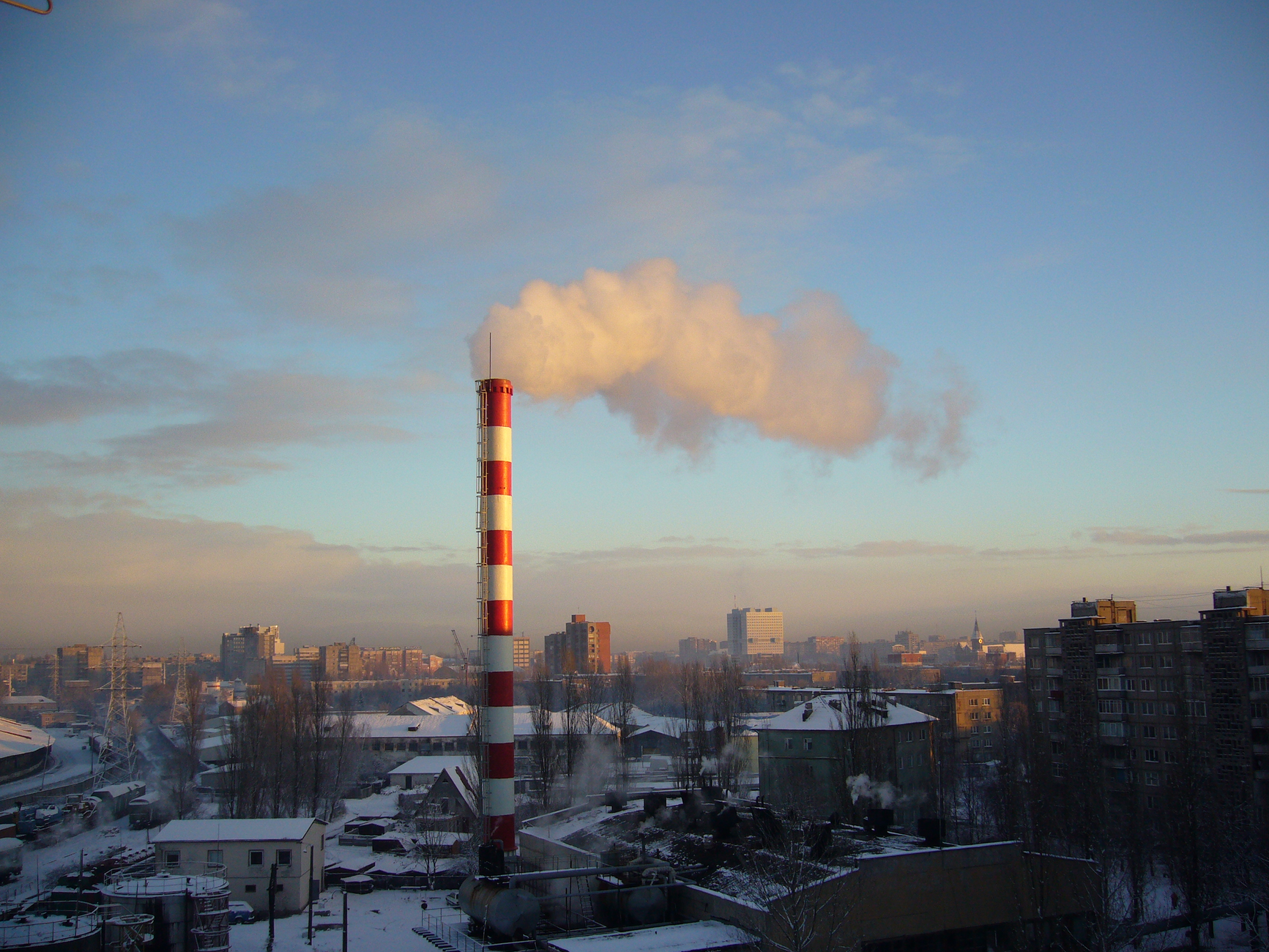
Yes, you can sue a factory for air pollution near your home. You can enforce federal emission rules or seek payment for harm to your home and health. Most cases focus on a specific plant and specific harm. Neighbors often point to dust, smoke, odors, or vibration that limits use of their property.
Official resources:
- Read the original report from Epa — Use this primary source to review the complete report.
- Read the official notice from Cornell — Use this primary source to verify the official announcement.
Table of Contents
- How does a federal citizen suit work?
- What state claims do nearby homeowners bring?
- What can a court actually give you?
- What makes these cases hard, and what should you do first?
How does a federal citizen suit work?
Federal law lets any person sue a factory accused of violating a Clean Air Act emission standard or limitation. You must first give 60 days' notice to EPA, the state, and the violator. Cornell Legal Information Institute explains this notice rule in the current text of 42 U.S.C.
§7604. This route fits when you can tie the plant to a clear emission rule. It targets the violation itself. It does not replace a claim for personal or property harm.
What state claims do nearby homeowners bring?
Nearby homeowners often sue for private nuisance, which means unreasonable interference with use and enjoyment of land. They may also claim trespass from deposited dust and negligence or recklessness by the operator. Duquesne University School of Law Joule describes these theories in its analysis of Bell v.
GenOn over a coal plant. Meeting federal rules does not always block a state case. The Sixth Circuit held that the Clean Air Act does not preempt state common-law pollution claims, according to FindLaw. That keeps the courthouse door open even when a plant holds federal permits.
What can a court actually give you?
Tort law's main remedy is money damages paid by the at-fault party, according to Cornell Legal Information Institute's Wex on tort. Injunctions and restitution are less common and often need proof of major or irreparable harm. In Boomer v. Atlantic Cement Co., neighbors proved nuisance from dirt, smoke, and vibration and won temporary damages.
The court still denied an order closing the plant, as shown in the court opinion in Boomer v. Atlantic Cement Co. That result is common in plant cases. A court may make the operator pay you while letting the plant keep running. Expect money to be more likely than a shutdown.
What makes these cases hard, and what should you do first?
The hardest part is often causation. You must link exposure to specific harm with credible medical, environmental, or epidemiologic expert proof. Greenberg Traurig warns that courts can exclude unfounded expert testimony under Daubert, which often ends the case.
Start with simple records you can keep now: You can also file an air-pollution tip through EPA's ECHO system, which sends it to enforcement staff or the state agency. EPA's ECHO page explains how to submit in EPA's ECHO violation-reporting portal. Contact your state environmental agency as well.
- Note dates, odors, dust, smoke, and health effects.
- Save photos, doctor notes, and any plant notices.
- Ask neighbors if they see the same pattern.