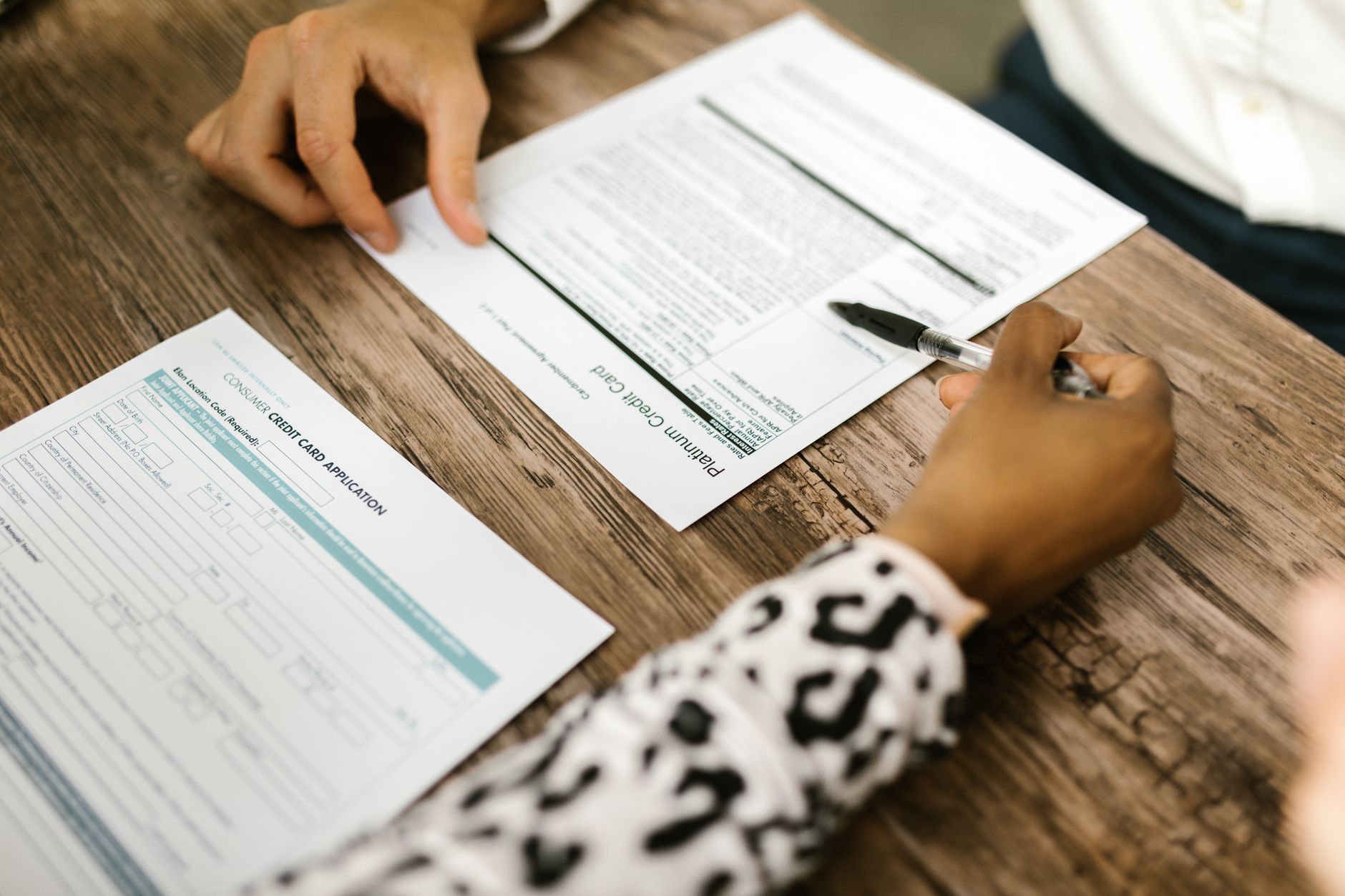
October 2026 brings three active FCRA payment deadlines and three new court decisions on credit-report accuracy and investigations. FCRA, the Fair Credit Reporting Act, is the federal law that sets rules for credit reports and disputes.
The largest item is a proposed $100 million deal for about 4 million consumers sent inaccurate reports tied to a March 17-April 8, 2022 coding error, with claims due Dec. 28, 2026. Two smaller funds face October dates, while judges limited one type of inaccuracy claim and allowed one faulty-investigation claim to reach a jury.
Official resources:
- File a claim in the TransUnion Brooks bankruptcy-remark settlement — Eligible consumers can submit a claim by Oct. 30, 2026 and verify coverage for reports sold Jan. 2020-Jan. 2023.
- Check Bradberry v. Equifax duplicate-account settlement status and documents — Class members can verify eligibility, deadlines, and Oct. 6 final-approval details for the $2.2 million settlement.
Table of Contents
- Which settlements need action now?
- Do you qualify for a payment?
- What did courts decide in new FCRA cases?
- How do October payouts and filings work?
Which settlements need action now?
Class counsel sought approval of the $100 million settlement in In re Equifax FCRA Litigation, N.D. Ga. No. 1:22-cv-03072. Caplan Cobb reports in its August settlement summary that the group covers about 4 million consumers affected by the March 17-April 8, 2022 error. A second Equifax fund is further along. The $2.2 million Bradberry duplicate-account settlement closed claims Sept. 1, 2026 and faces a final-approval hearing Oct. 6, 2026 in N.D.
Georgia. It offers eligible Duplicate Reporting Letter recipients up to $600 plus six months of monitoring. A third fund still accepts filings. TransUnion's $8.31 million Brooks bankruptcy-remark settlement requires claims, exclusions and objections by Oct. 30, 2026, with final approval set Dec. 2, 2026. BadCredit.org explains in its Brooks eligibility report that it covers U.S. consumers whose reports sold Jan. 6, 2020-Jan. 31, 2023 showed bankruptcy remarks without matching public records.
Do you qualify for a payment?
Eligibility turns on the notice and report described in each settlement, not on general credit problems. Equifax's large settlement focuses on people sent inaccurate reports from the spring 2022 coding error. Bradberry focuses on people who received a Duplicate Reporting Letter about duplicate accounts.
Brooks focuses on a narrower report error. It covers consumers with sold reports showing bankruptcy remarks that lacked matching public records during the stated period. Check mailed and emailed notices, account dates, and names before assuming you are included.
- Match the notice name: Equifax coding-error notice, Duplicate Reporting Letter, or Brooks bankruptcy-remark notice
- Match the dates: March 17-April 8, 2022; duplicate-account period in your letter; or Jan. 6, 2020-Jan. 31, 2023
- Use the Claim Number and PIN from your notice to file by the listed deadline
What did courts decide in new FCRA cases?
On Sept. 22, 2026 the Ninth Circuit reversed the $140M-plus jury verdict in Bultemeyer v. CenturyLink. Thompson Hine notes in its verdict analysis that pulls after shoppers entered personal data and accepted terms but before final checkout were protected by a non-objectively-unreasonable reading of permissible purpose, defeating willfulness under Safeco. The ruling narrows when early credit pulls support willful-liability claims. It does not decide every checkout or prescreen dispute.
It turns on whether the company's reading of permissible purpose was objectively unreasonable. Two October trial-court orders address accuracy and investigations. On Oct. 5, 2026 a New Jersey federal judge dismissed a discharged debtor's claim, ruling backend Metro 2 codes cannot establish inaccuracy where plaintiff conceded the consumer-facing report was accurate. On Oct. 2, 2026 a California federal judge denied a lender's summary judgment, finding a jury could deem the investigation unreasonable because staff saw a $4,800 refund yet verified the disputed balance because the system updates automatically.
How do October payouts and filings work?
October settlement payouts remain contingent on final approval and appeals. Per-person amounts fall if claim volume is high, so filing does not lock in a fixed dollar figure. The New Jersey order also warned that continued pursuit could trigger fee-shifting.
The California order shows that human review matters when records already show a refund or correction. Save dispute letters, credit-report copies, bank records, and creditor responses. File by the deadline using the Claim Number and PIN from the mailed or emailed notice, as Investopedia describes in its Bradberry filing guide.
You Might Also Like
- What Is New With Worker Antitrust Class Actions in October 2026? Latest court filings and settlement notices and Key Takeaways
- What Is New With Video Privacy and VPPA Class Actions in October 2026? Latest court filings and settlement notices and Key Takeaways
- What Is New With Transportation Class Actions in October 2026? Latest court filings and settlement notices and Key Takeaways