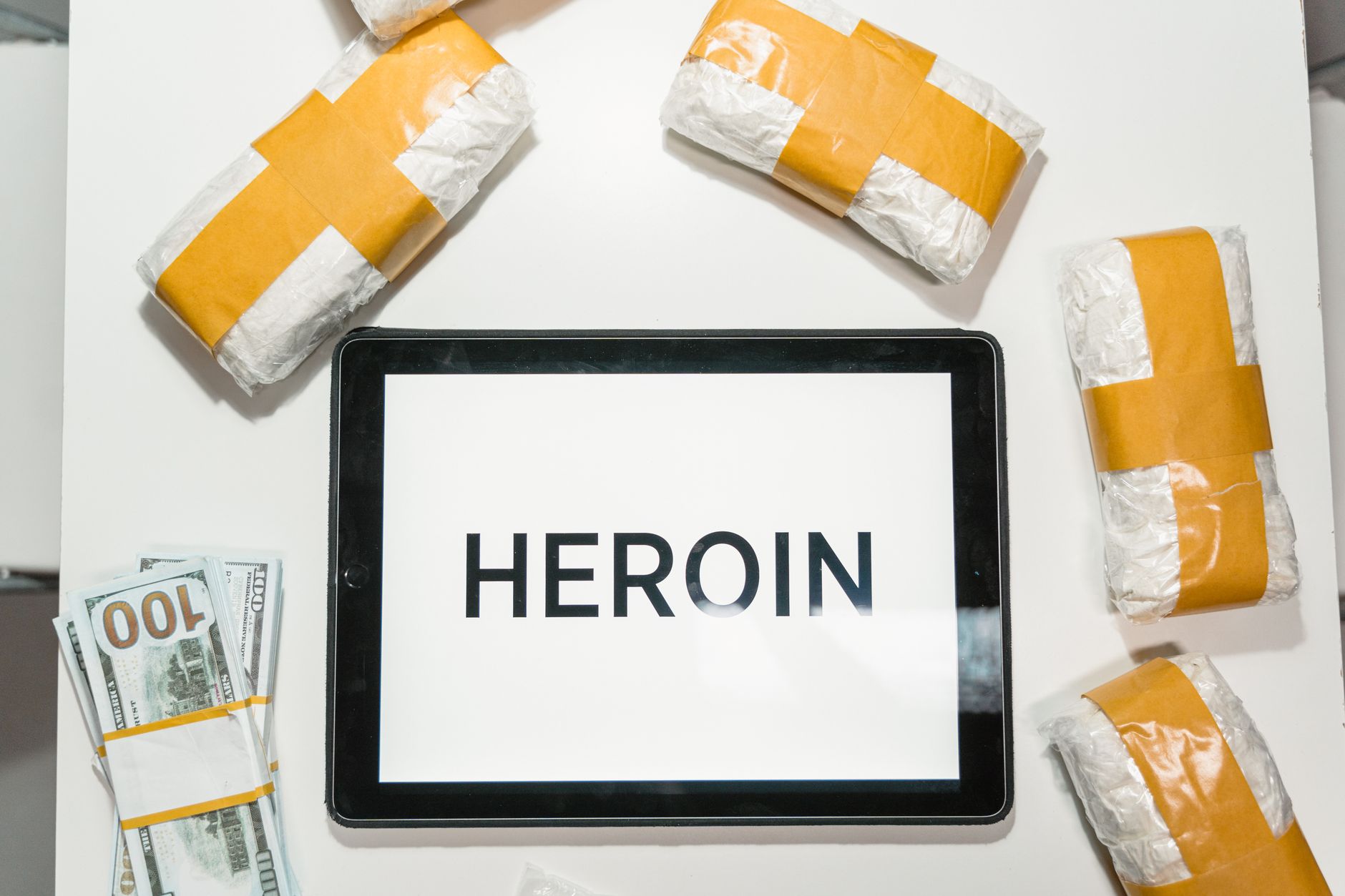
Drug injury litigation is a civil claim that a prescription drug caused harm because of a defect, inadequate warning, or unsafe use instructions. In 2026 it affects injured patients and families, turns on medical and prescription proof, and starts with saving records. Safety reporting has become faster and more visible. The FDA moved adverse-event data to daily updates in 2025, then launched a unified real-time monitoring system in early 2026 to replace fragmented databases.
Table of Contents
- Who Can File a Drug Injury Claim?
- What Evidence Do Courts Actually Require?
- How Are Large Drug Cases Organized?
- What Deadlines and Next Steps Apply?
Who Can File a Drug Injury Claim?
The core claimant is a patient who took the drug as directed and later developed an injury linked to that use. Family members may act when the patient is a minor, is incapacitated, or has died.
Most states apply the learned-intermediary rule. According to Dechert analysis, a prescription maker usually meets its duty to warn by warning the prescribing doctor, not the patient directly. That makes the doctor's knowledge, the label, and the prescribing decision central to most cases.
What Evidence Do Courts Actually Require?
A government safety report alone does not prove a case. According to Lexology analysis, courts generally require medical records, prescription and use history, and qualified expert testimony linking the drug to the injury. Safety reports still matter as background signals.
The FDA began publishing FAERS data daily on Aug. 22, 2025, according to FDA via STAT, to strengthen postmarket surveillance. Reuters reported that the FDA launched a unified Adverse Event Monitoring System on March 11, 2026 to publish reports in real time and replace fragmented databases by end of May 2026 in Reuters coverage.
How Are Large Drug Cases Organized?
Federal cases with shared facts can be sent to one court for coordinated pretrial work. The seven-judge Judicial Panel on Multidistrict Litigation centralizes qualifying cases into multidistrict litigation under 28 U.S.C.
1407, according to NOLO and the Panel in JPML guidance. Centralization covers discovery and early bellwether trials. Each claimant must still prove use, injury, and causation with individual records and expert support.
What Deadlines and Next Steps Apply?
Filing time is limited and varies by state. A JD Supra 50-state survey places common limits at 1-3 years, with many states using a discovery rule that starts the clock when the patient knew or should have known the drug caused injury, as described in the survey. Take these steps early, before records disappear:.
- Keep pharmacy records, visit notes, pill bottles, labels, and receipts.
- Write down dose, dates used, symptom onset, and missed work or care.
- Report the suspected injury to FDA MedWatch online, by Form 3500B, or by phone at 1-800-FDA-1088, according to FDA instructions for consumers.
- Bring the full file to a lawyer promptly for a deadline check.
You Might Also Like
- Birth Injury Litigation Explained for 2026: Who It Affects, Key Evidence, and What to Do Next
- Child Labor Class Actions Explained for 2026: Who It Affects, Key Evidence, and What to Do Next
- How to Verify Drug Injury Litigation Claims in 2026: court filings and settlement notices, Evidence, and Red Flags