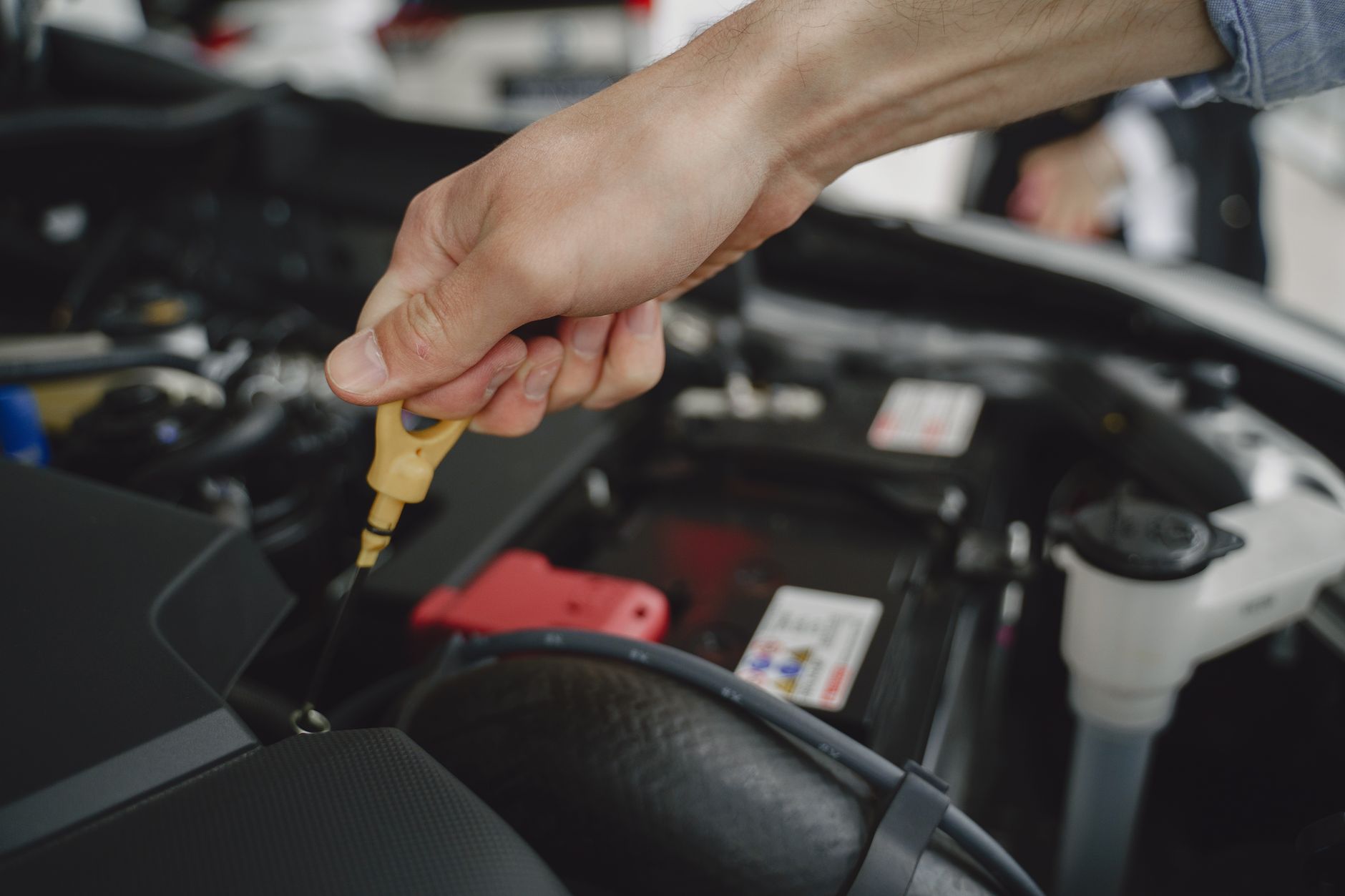
Auto safety class actions in 2026 cover owners and lessees of specific recalled vehicles who paid recall-related costs. You establish eligibility with your VIN and ownership dates, prove loss with paid receipts, and file by the settlement's claim deadline. An auto safety class action is a single lawsuit that resolves shared defect claims for a large group of vehicle owners. This guide explains who fits the class, what documents support payment, and which dates control 2026 claims.
Table of Contents
- Are you eligible to claim?
- What proof supports payment?
- Which 2026 deadlines control your money?
- What should you ask before you repair or file?
Are you eligible to claim?
Eligibility comes from the settlement definition, not from owning any recalled car. Toyota's $78.5M airbag-control-unit settlement covers eligible current and former owners and lessees of recalled vehicles and pays out-of-pocket recall-completion costs, according to the Kroll-administered claim materials Toyota claim form and deadline terms. Check the covered models, model years, ownership dates, and recall-completion rules on the official settlement site. Federal damages classes must also meet court certification tests.
The Congressional Research Service describes Rule 23(a) numerosity, commonality, typicality and adequacy of representation, plus Rule 23(b)(3) predominance and superiority. A settlement class still limits payment to people and vehicles named in the settlement order. Start with an open-recall check before you assume you fit. NHTSA says drivers can check open recalls by VIN or license plate at NHTSA.gov/Recalls or the SaferCar app NHTSA recall check alert. NHTSA says owners can then schedule a free repair at an authorized dealership.
What proof supports payment?
Payment turns on paper that ties you, your vehicle, and your spending together. The JND-administered Honda Idle Stop claim form required repair invoices or receipts for out-of-pocket costs, according to the official form Honda Idle Stop claim form. Keep originals or clear copies, with dates, amounts, shop names, and vehicle identification visible.
Settlement instructions point to the same core file for most auto safety claims: Report the safety problem separately from the claim when the defect is still a concern. NHTSA says consumers can use Report a Safety Problem online or call 888-327-4236. NHTSA says staff reviews every complaint plus other data for defect trends, with no fixed complaint number required.
- VIN plus ownership or lease dates for the claim period
- paid invoices, repair orders, and parts receipts
- tow, rental, and other recall-completion receipts
- NHTSA complaint numbers if you reported the defect
Which 2026 deadlines control your money?
Treat the official settlement site as the only date that counts. Toyota's airbag-control-unit Registration and Claim Form sets a deadline no earlier than Dec. 16, 2026 through Kroll, according to the administrator's form. Put that date on your calendar now, then recheck the site for extensions, opt-out dates, and appeal holds. Honda Idle Stop shows why cost dates matter as well as filing dates. Costs incurred before Aug.
8, 2025 had to be claimed by about Aug. 18, 2026, 90 days after final approval, while later costs used a rolling submission window, according to the JND claim form. Pull old invoices first when a settlement splits early and later expenses. Missing the claim, opt-out, objection, or appeal-controlled payout date can forfeit or delay payment. The Honda JND instructions and Toyota Kroll form terms carry that practical warning for owners. File early, keep proof of submission, and save the confirmation number.
What should you ask before you repair or file?
Ask where the repair must be done and who pays. Recall repairs listed by NHTSA are completed at an authorized dealership without charge. For warranty work outside a recall, the FTC says dealers cannot void coverage merely because routine maintenance or repairs were done by an independent shop, under the Magnuson-Moss Warranty Act FTC auto warranty guidance. Ask whether you should stay in the class, object, or opt out.
Staying in brings possible payment but usually trades away a separate lawsuit over the same defect. Opting out preserves an individual claim but removes you from the class payment. Ask what happens after you file. Administrators can request more receipts, reduce unclear charges, or hold payment during appeals. Calendar the official settlement-site deadline and file early with complete receipts.
You Might Also Like
- Wage and Hour Class Actions 2026 Guide: eligibility, proof, and deadlines; Key Facts and Questions to Ask
- Municipal Fee Class Actions 2026 Guide: eligibility, proof, and deadlines; Key Facts and Questions to Ask
- What Is New With Wage and Hour Class Actions in October 2026? Latest court filings and settlement notices and Key Takeaways