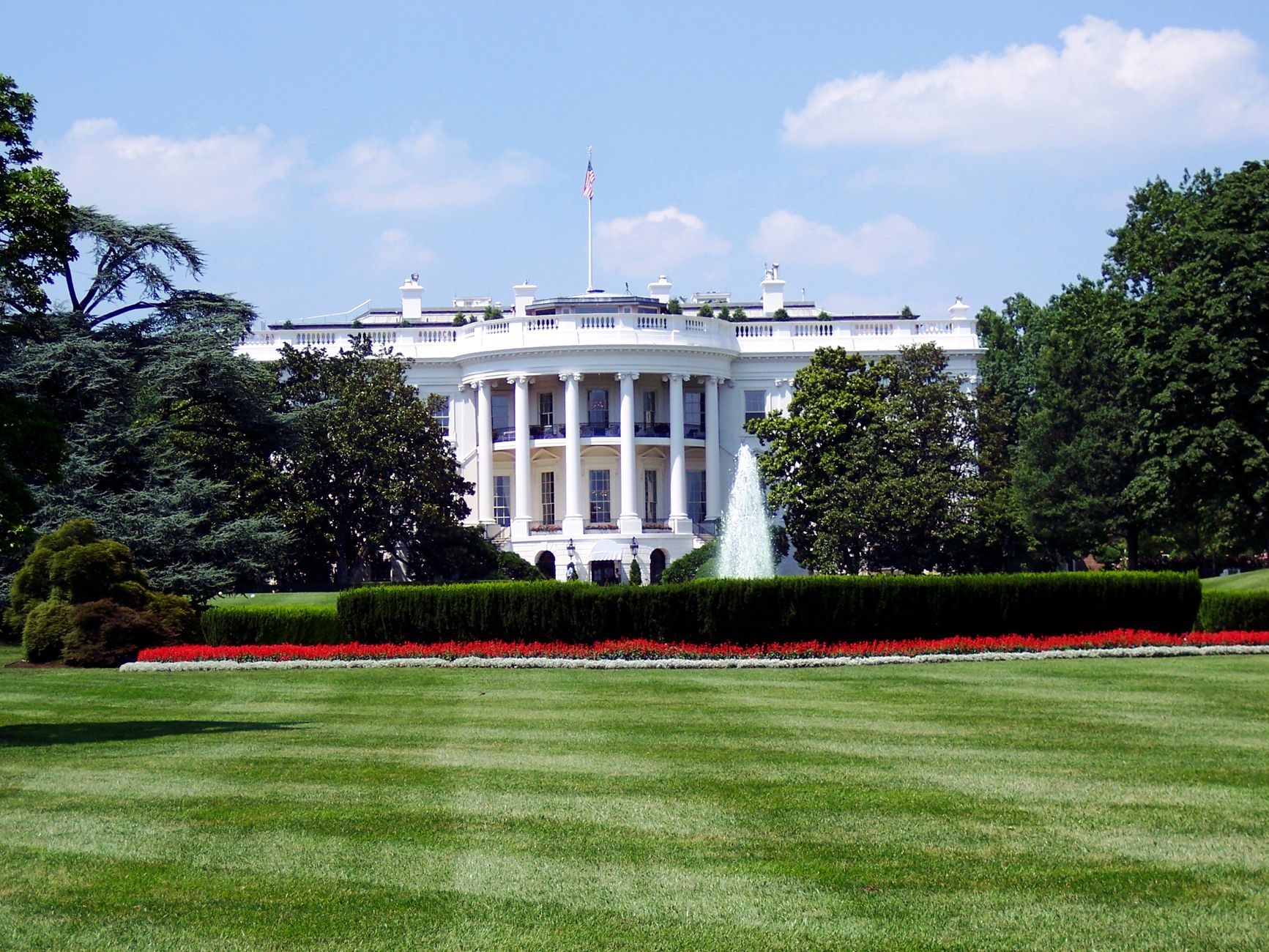
A federal judge has ordered the White House to give back the press passes it pulled from CNN, MS NOW and Politico journalists — but the lawsuit behind that order is not a class action, and nobody outside the six named plaintiffs can join it or claim anything from it. Judge Timothy J. Kelly granted a 14-day temporary restraining order on September 24, 2026, three days after the suit was filed, finding the plaintiffs likely to win on their due process claim.
Status: Temporary restraining order granted September 24, 2026 | Next: expedited preliminary injunction briefing | No class, no damages, nothing to claim
What the Restraining Order Does
The order runs against every defendant except the President personally, and against those acting with them. It requires them to immediately restore the hard passes of CNN, MS NOW and Politico employees that were revoked on or about September 18, 2026. Its key terms:
| Length | 14 days. |
| Bond | The plaintiffs must post a $1.00 bond by October 1, 2026. |
| Stay | The court refused the government’s request to delay the order. |
| Basis | Likely success on the Fifth Amendment due process claim. The court said the government’s national security justification lacked factual support on the current record. |
| Left open | Both First Amendment claims, and the merits of the case as a whole. |
A restraining order is emergency relief, not a final judgment. The court will next set expedited briefing on a preliminary injunction, which would decide whether the passes remain restored while the case goes forward. OpenClassActions.com covers the ruling itself in a separate restraining order report.
How the Ban Unfolded, per the Complaint
The case is Cable News Network, Inc. v. Trump, No. 1:26-cv-03287, in the U.S. District Court for the District of Columbia. The plaintiffs are Cable News Network, Inc., MS NOW Cable, LLC, POLITICO LLC and three of their White House reporters. The defendants are President Donald J. Trump, the White House Communications Director, the Secret Service Director and the White House Chief of Staff, all sued in their official capacities.
According to the complaint, the President announced on Truth Social on the afternoon of Friday, September 18 that journalists from the three outlets were banned from the White House effective immediately, describing it as the result of their “FAKE NEWS” reporting and promising other outlets would follow. The complaint says the reporters’ hard passes were deactivated overnight. When three of them arrived the next morning, Secret Service officers at the gate turned them away and took their credentials.
The complaint adds that CNN had 40 credentialed journalists and MS NOW had 22 as of September 18, and that CNN was the assigned network pooler for Monday, September 21 — the outlet responsible that day for supplying video and audio of presidential events to the other broadcast networks and, through them, to more than a thousand local affiliate stations. The White House, it says, took CNN off that day’s schedule late the night before.
Why Nobody Else Can Sign Up
A class action lets named plaintiffs sue on behalf of a much larger group that is not in the courtroom. That is what produces class definitions, certification fights, notice programs, opt-out windows and claim forms. This complaint has none of those pieces:
- no class allegations and no proposed class;
- no request for certification under Rule 23;
- no demand for money damages;
- no jury demand on the docket, since a request for a declaration and an injunction is decided by a judge.
The plaintiffs ask for a declaration that the ban violates the First and Fifth Amendments, an order barring its enforcement, the return of the hard passes their reporters held before September 18, and their costs and attorneys’ fees. The complaint does argue that the public is harmed when reporting on the government is restricted, but that is a reason for the court to grant relief to the six plaintiffs, not a claim made for anyone else. There is no list to join, no form and no fund.
The Three Constitutional Claims
All of the following are the plaintiffs’ allegations; the court has ruled only on the likelihood of success on the first.
Due process (Fifth Amendment). News organizations and reporters, the complaint argues, have liberty and property interests in White House credentials that the D.C. Circuit has recognized for decades. Those interests cannot be taken without advance notice under a clear published standard and a chance to be heard. The complaint says the plaintiffs got none of the three.
Retaliation (First Amendment). The complaint argues the ban punishes past coverage, and relies on the President’s own remarks at an Oval Office event hours after the announcement, where, it says, he described the decision as driven by cumulative stories over two years rather than any single article, and called his action “the ban on the free press.”
Viewpoint discrimination (First Amendment). The White House press areas, the complaint argues, are a nonpublic forum — government property opened to selected speakers — where the government may not choose among speakers by viewpoint or under standards so vague they invite arbitrary enforcement.
The Rule That Governs Hard Passes
A hard pass is the credential for journalists who regularly cover the White House. Under 31 C.F.R. § 409.1, an applicant must be based in the Washington area, be accredited by a Supreme Court, Senate or House press gallery, and clear a Secret Service background check. The regulation tells Secret Service officials to be guided solely by whether an applicant poses a physical danger to the President or the President’s family serious enough to justify exclusion. A companion provision, 31 C.F.R. § 409.2, requires written notice of the factual basis for a denial, a chance to respond in writing and be heard, and a final written decision. Neither provision mentions the content of anyone’s reporting.
In practice the pass is what makes the beat possible: unescorted, short-notice access to the briefing room, the West Wing press workspaces, the North Lawn and presidential travel.
Same Judge, Smaller Case in 2018
Judge Kelly, nominated to the district court by President Trump in 2017, handled the last dispute of this kind. In November 2018 the White House suspended CNN correspondent Jim Acosta’s hard pass after a contentious news conference, and CNN sued in the same courthouse in Cable News Network, Inc. v. Trump, No. 1:18-cv-02610. Judge Kelly ordered the credential restored, and the White House reinstated it.
That case involved one reporter. This one reaches every credentialed journalist at three national news organizations, with no stated end date. In the September 24 order, Judge Kelly relied on the D.C. Circuit’s due process decisions in Sherrill v. Knight and Karem v. Trump rather than on his 2018 ruling. The case timeline, filings and the complaint itself are collected on our sister site’s White House press ban lawsuit page.
Frequently Asked Questions
Is the White House press ban lawsuit a class action?
No. Cable News Network, Inc. v. Trump was brought by six named plaintiffs on their own behalf: CNN, MS NOW, Politico and three of their White House reporters. It has no class allegations, no request for certification and no demand for damages, so there is nothing for the public to join or claim.
What did the court order on September 24, 2026?
Judge Timothy J. Kelly granted a 14-day temporary restraining order requiring the defendants other than the President to immediately restore the hard passes of CNN, MS NOW and Politico employees revoked on or about September 18. The plaintiffs must post a $1.00 bond by October 1, and the court refused to delay the order.
Has the court decided the First Amendment claims?
No. The restraining order rested only on the Fifth Amendment due process claim. The First Amendment retaliation and viewpoint discrimination claims, and the merits of the case, remain undecided.
What happens after the restraining order?
The court will set expedited briefing on a preliminary injunction, which would determine whether the passes stay restored while the case continues.
What are the plaintiffs asking for?
A declaration that the ban violates the First and Fifth Amendments, an order stopping its enforcement, restoration of the hard passes their reporters held before September 18, 2026, and costs and attorneys’ fees. They are not seeking money damages.
Sources
- U.S. District Court for the District of Columbia — docket in Cable News Network, Inc. v. Trump, No. 1:26-cv-03287.
- Complaint for declaratory and injunctive relief, filed September 21, 2026 (PDF).
- Temporary Restraining Order, ECF No. 24, September 24, 2026 (PDF).
- Docket in the 2018 credential case, Cable News Network, Inc. v. Trump, No. 1:18-cv-02610.
- 31 C.F.R. § 409.1 and 31 C.F.R. § 409.2, White House press pass rules.
- OpenClassActions.com — CNN, Politico and MS NOW Sue Trump Over the White House Press Ban.
Source and credit: this report builds on our sister site’s coverage — OpenClassActions.com: CNN, Politico and MS NOW Sue Trump Over the White House Press Ban — which follows the case and is updated as new filings, orders and payment news come in.
Legal Disclaimer
This article is for informational purposes only and is not legal advice. OpenClassActions.org is a consumer news site, not a law firm, and is not affiliated with any party to the matters described. Allegations are allegations until a court rules on them, and court schedules and outcomes can change.