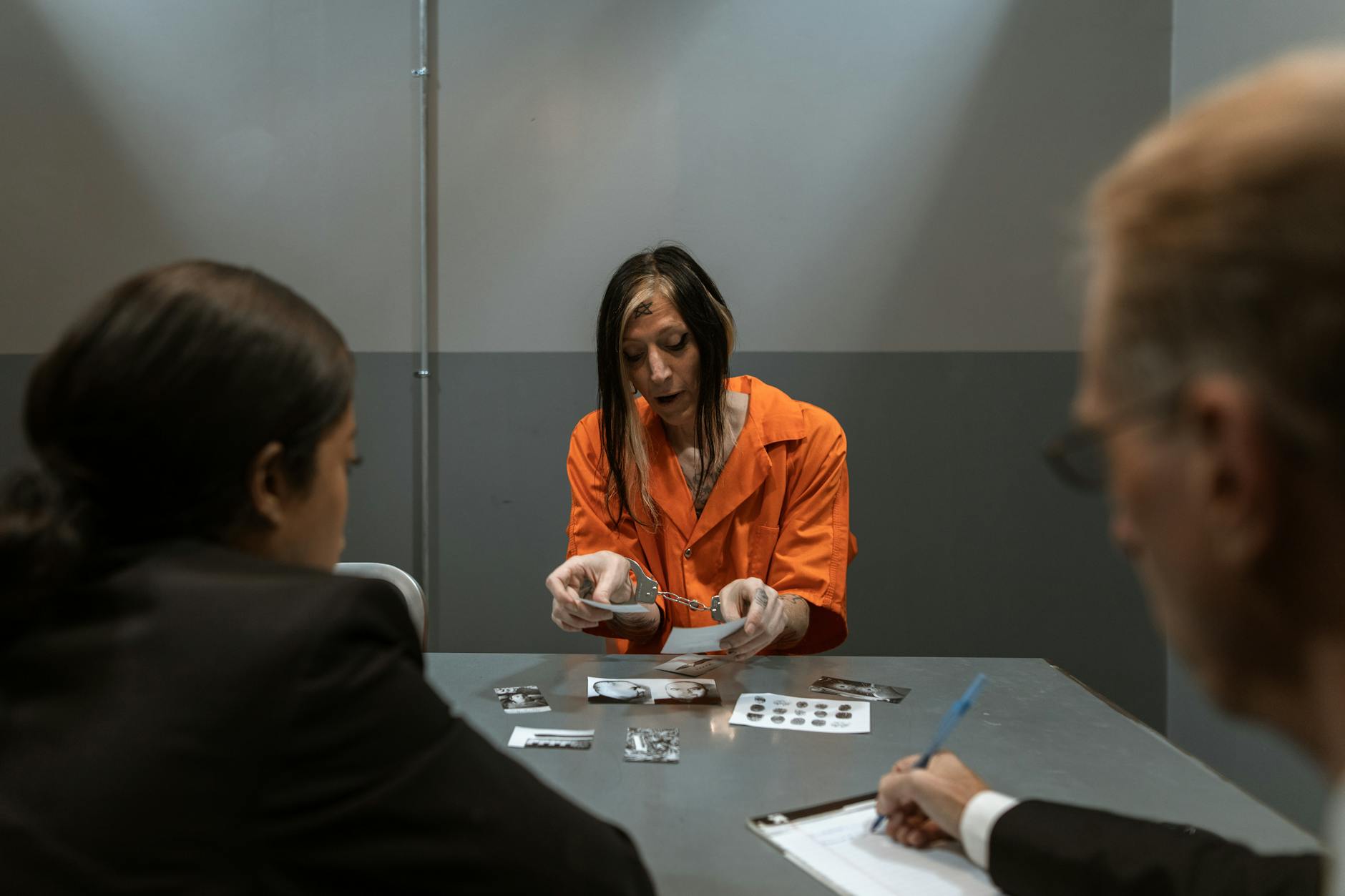
A landmark class action settlement against Bad Boys Bail Bonds has been finalized, permanently barring the Northern California bail bond company from collecting roughly $38 million in illegally coerced debt. On January 21, 2026, an Alameda County Superior Court judge approved the final judgment against BBBB Bonding Corp., doing business as Bad Boys Bail Bonds, after the company systematically failed to provide legally required cosigner notices on more than 18,000 bail bond contracts issued between 2017 and April 2022. The ruling marks what legal experts describe as the first class action in California to successfully challenge a commercial bail bond company for violating consumer protection laws.
The case was brought by class representatives Kiara Caldwell and Donzahniya Pitre, two women who experienced firsthand how the company’s practices trapped cosigners in debt they never fully understood they were taking on. Caldwell believed she was signing a $500 bail bond payment for a friend during a rushed 15-minute meeting at San Leandro Jail — only to be charged $5,000 through an “Unpaid Premium Agreement” and then threatened and sued by the company. Their legal team, the Lawyers’ Committee for Civil Rights of the San Francisco Bay Area and Keker, Van Nest & Peters LLP, fought the case for nearly seven years before securing the final judgment.
Table of Contents
- What Did the Bad Boys Bail Bonds Class Action Settlement Actually Resolve?
- How Did Bad Boys Bail Bonds Violate Consumer Protection Laws?
- The Seven-Year Legal Battle Behind the Settlement
- What Should Affected Bail Bond Cosigners Do Now?
- Why This Precedent Matters Beyond Bad Boys Bail Bonds
- The Human Cost of Predatory Bail Bond Practices
- What the Bail Bond Industry Looks Like After This Ruling
- Frequently Asked Questions
What Did the Bad Boys Bail Bonds Class Action Settlement Actually Resolve?
At its core, the settlement resolved a straightforward but widespread violation of California consumer protection law. Bad Boys Bail Bonds failed to provide mandatory cosigner notices required under California Civil Code section 1799.91, which requires creditors to clearly disclose the risks when someone guarantees a consumer credit agreement. Without these notices, the contracts are rendered unenforceable under Civil Code section 1799.95. That is not a technicality — it is a fundamental consumer safeguard designed to prevent exactly the kind of coercion that Bad Boys engaged in for years. The settlement terms go beyond simply canceling the debts. Bad Boys is permanently banned from collecting on any of the illegally coerced debts tied to pre-April 2022 contracts.
A court-appointed monitor will review all payments made to the company going forward. The company must also provide mandatory cosigner notices to all future participants and implement heightened training requirements for staff on consumer protection law compliance. In practical terms, this means every dollar of the $38 million in outstanding debt from those 18,000-plus contracts is gone — the company cannot pursue it through collections, lawsuits, or any other means. For comparison, most consumer protection settlements result in partial refunds or credits. Here, the court effectively voided the entire debt load because the contracts themselves were unlawful from the start. That distinction matters. The affected consumers do not need to file claims or prove individual harm — the judgment applies to the entire class.
How Did Bad Boys Bail Bonds Violate Consumer Protection Laws?
The violation was systematic rather than incidental. When a family member or friend showed up to bail someone out of jail, Bad Boys would present contracts quickly and under pressure — often in jail parking lots or lobbies, at odd hours, when people were distressed and anxious. The company did not include the cosigner disclosures that California law demands, which are supposed to inform people that they could be held liable for the full amount of the debt if the primary borrower defaults. Without that notice, many cosigners had no idea they were putting themselves on the hook for thousands of dollars. Donzahniya Pitre’s experience illustrates how this played out in practice. She cosigned and paid $600 for a bail bond for her cognitively impaired brother after being told she would not be responsible for further payments.
That turned out to be false. Bad Boys later harassed her with menacing phone calls multiple times per week, demanding additional money. The company’s business model, as the lawsuit revealed, depended on extracting payments from cosigners who did not understand their legal exposure — precisely the scenario the cosigner notice law was written to prevent. However, it is important to note a limitation of this settlement. It applies specifically to contracts signed between 2017 and April 1, 2022. If you cosigned a Bad Boys bail bond contract before 2017 or after April 2022, the terms of this settlement do not directly cover your situation. That said, the legal precedent established here — that bail bond companies must comply with consumer protection laws — applies broadly and could support future claims against other companies or for different time periods.
The Seven-Year Legal Battle Behind the Settlement
This was not a quick or easy victory. The class action lawsuit was originally filed in 2019, and Bad Boys fought it at every level of the California court system. In April 2021, an Alameda County judge issued a preliminary injunction stopping the company from continuing its debt collection practices while the case proceeded. That injunction was a significant early win, but Bad Boys appealed. In December 2021, the California Appeals Court upheld the lower court’s ruling and agreed that bail bond companies must follow consumer protection laws — a point that should have been obvious but which the bail industry had long resisted.
Bad Boys pushed the fight all the way to the California Supreme Court, which denied the company’s further appeal in 2025 in the case styled People v. Bad Boys Bail Bonds. Only after exhausting every appellate option did the final class-action judgment get entered on January 21, 2026. The persistence of the legal team mattered here. The Prosecutors Alliance of California filed an amicus brief supporting the class action, signaling that law enforcement officials themselves recognized the predatory nature of the company’s practices. For the thousands of consumers who had been hounded by Bad Boys during those seven years, the protracted timeline meant years of uncertainty — but the final result was comprehensive rather than a partial compromise.
What Should Affected Bail Bond Cosigners Do Now?
If you cosigned a Bad Boys Bail Bonds contract between 2017 and April 2022, the most important thing to understand is that the company is now permanently barred from collecting on that debt. You do not need to file a claim or take any action to benefit from the settlement — the judgment applies to the entire class automatically. If Bad Boys contacts you about any debt from a contract in that period, they are violating a court order, and you should document the contact and report it. The tradeoff for consumers here is between the certainty of debt forgiveness and the absence of direct monetary compensation.
Unlike some class action settlements where class members receive a check, this settlement’s primary benefit is the elimination of $38 million in debt obligations. For someone like Kiara Caldwell, who was being pursued for $5,000 she never agreed to owe, that debt cancellation is worth more than a token settlement payment would have been. But if you already made payments to Bad Boys on one of these contracts, the settlement does not automatically refund those payments — the court-appointed monitor’s review of payments may address some of these situations, but the primary relief is forward-looking. If you are currently being sued by Bad Boys over a pre-April 2022 contract, bring the settlement to the attention of the court handling your case. The judgment should effectively end any pending collection action tied to contracts that lacked the required cosigner notices.
Why This Precedent Matters Beyond Bad Boys Bail Bonds
The bail bond industry has operated in a regulatory gray area for decades. Bail bond companies have long argued that they are not ordinary creditors and therefore should not be subject to the same consumer protection rules that apply to banks, credit card companies, and other lenders. The Bad Boys case demolished that argument in California, and the precedent has implications far beyond one company. The ruling establishes clearly that bail bond contracts are consumer credit agreements subject to the full range of California consumer protection statutes. This means other bail bond companies operating in California must now ensure they are providing proper cosigner disclosures — or face similar liability.
The legal reasoning could also influence courts in other states considering whether consumer protection frameworks apply to the bail industry. There is, however, a significant limitation to keep in mind. This case was litigated under California law, and the specific statutes at issue — Civil Code sections 1799.91 and 1799.95 — are California provisions. Other states have their own consumer protection frameworks, and not all of them include identical cosigner notice requirements. The precedent is persuasive but not binding outside California. Consumers in other states who believe their bail bond company engaged in similar practices would need to identify the applicable state laws and potentially bring their own legal challenges.
The Human Cost of Predatory Bail Bond Practices
The stories of the named plaintiffs reveal a pattern that likely repeated itself thousands of times across Bad Boys’ customer base. Kiara Caldwell went to San Leandro Jail to help a friend. In a rushed 15-minute meeting, she signed what she understood to be a $500 payment. Instead, she was locked into a $5,000 obligation through an “Unpaid Premium Agreement” — a document whose full implications were never properly explained.
When she could not pay, Bad Boys threatened her employment, contacted her family members, and sued her. This is textbook coercion, made possible by the absence of the very disclosures the law requires. These practices disproportionately affect low-income communities and communities of color, where family members are more likely to be in the position of bailing out a loved one and less likely to have access to legal counsel who could identify the missing cosigner notices. The settlement does not undo the stress, damaged credit, and family disruption that Bad Boys caused over the years, but it does ensure the company cannot continue profiting from these practices.
What the Bail Bond Industry Looks Like After This Ruling
The Bad Boys settlement is part of a broader shift in how courts and regulators view the bail bond industry. California has already been at the forefront of bail reform efforts, and this ruling adds a consumer protection dimension to what has primarily been a criminal justice reform conversation. The message to bail bond companies is clear — you are subject to the same rules as any other creditor, and the courts will enforce those rules.
Looking ahead, expect other consumer advocacy organizations to use this case as a template for challenging bail bond companies in California and potentially in other states with strong consumer protection statutes. The involvement of the Prosecutors Alliance of California in supporting the case also suggests that future enforcement actions could come from district attorneys and state attorneys general, not just private plaintiffs. For consumers, the practical takeaway is straightforward — if you are asked to cosign a bail bond, you have a legal right to clear written disclosure of your financial obligations, and any company that fails to provide that disclosure is breaking the law.
Frequently Asked Questions
Do I need to file a claim to benefit from the Bad Boys Bail Bonds settlement?
No. The settlement applies automatically to the entire class of consumers who signed bail bond contracts with Bad Boys between 2017 and April 2022 that lacked the required cosigner notices. You do not need to file a claim or take any affirmative action to have your debt canceled.
Can Bad Boys Bail Bonds still contact me about a debt from before April 2022?
No. The company is permanently barred from collecting on debts tied to pre-April 2022 contracts that violated the cosigner notice requirement. If they contact you, document the communication and consider reporting it to the court-appointed monitor or consulting a consumer rights attorney, as the company would be violating a court order.
Does this settlement mean I can get a refund on payments I already made to Bad Boys?
The settlement’s primary relief is the cancellation of outstanding debt, not refunds of past payments. However, a court-appointed monitor will review all payments made to the company. If you believe you made payments on an unlawful contract, you may want to consult with a consumer rights attorney about your options.
Does this ruling apply to other bail bond companies besides Bad Boys?
The settlement itself only applies to BBBB Bonding Corp., doing business as Bad Boys Bail Bonds. However, the legal precedent — that bail bond companies must comply with California consumer protection laws, including cosigner notice requirements — applies to all bail bond companies operating in California. Other companies with similar practices could face their own legal challenges.
What is the cosigner notice that Bad Boys was required to provide?
Under California Civil Code section 1799.91, any creditor who asks someone to guarantee a consumer credit agreement must provide a written notice clearly disclosing the risks and financial obligations involved. This notice must explain that the cosigner could be held responsible for the full debt amount. Contracts without this notice are unenforceable under Civil Code section 1799.95.
I cosigned a bail bond with a different company. How do I know if my rights were violated?
Review your contract for a separate cosigner disclosure notice. If you were not given a clear written explanation of your financial obligations as a cosigner, the contract may be unenforceable under California law. Contact a consumer rights attorney or a legal aid organization like the Lawyers’ Committee for Civil Rights to evaluate your situation.