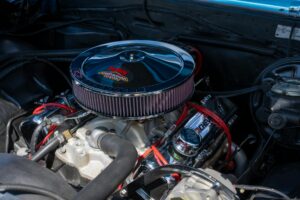

Chevrolet Silverado owners are eligible for compensation through multiple class action lawsuits involving engine defects discovered in General Motors vehicles. The most active litigation involves the L87 6.2L V8 engine, where a consolidated class action lawsuit began March 1, 2026, affecting nearly 600,000 vehicles including Silverados, Yukons, Tahoes, and other GM models built between 2021 and 2024. These lawsuits address critical engine failures caused by loss of lubrication between the crankshaft and bearings—a defect that can lead to catastrophic engine damage and sudden mechanical failure.
Beyond the ongoing L87 litigation, Silverado owners have already secured significant settlements for earlier engine defects. A $150 million settlement approved for the LC9 5.3L engine provided average payouts of over $3,300 per vehicle, while a separate $30 million settlement addressed Bosch CP4 fuel pump failures in 6.6L Duramax diesel engines. If you own a Silverado affected by these defects, you may be entitled to claim payments—and the process has already begun for certain eligible vehicles.
Table of Contents
- What Engine Problems Are Behind the Silverado Class Actions?
- The LC9 5.3L Settlement: What $150 Million Means for Older Silverados
- CP4 Diesel Fuel Pump Defects: The $30 Million Settlement
- How to File a Claim in the Active L87 Engine Class Action
- Warning Signs: How to Recognize Engine Defect Symptoms
- Settlement Timeline and Payment Distribution Expectations
- The Future of GM Engine Litigation and What Owners Should Know
- Conclusion
What Engine Problems Are Behind the Silverado Class Actions?
The primary defect in the active L87 6.2L V8 engine involves loss of lubrication between the crankshaft and main bearings. This isn’t a minor wear issue; it’s a systemic design or manufacturing problem that affects how oil circulates through the engine’s critical components. When this lubrication fails, metal-on-metal contact occurs, leading to rapid bearing wear, increased friction, and eventual engine seizure.
Federal regulators at NHTSA took this defect seriously enough to open investigations in January 2025 and again in January 2026 after GM issued a voluntary recall for the L87 engine. The consolidated class action complaint filed in 2026 spans 389 pages and specifically targets the L87 engine used in 2019-2024 Chevrolet Silverados, GMC Sierras, Cadillac Escalades, and GM SUV variants. What makes this litigation particularly significant is that it keeps the Silverado and Sierra cases unified despite GM’s attempts to split them—meaning owners of these truck models maintain stronger collective bargaining power. The defect has been documented across multiple model years and trim levels, suggesting the problem isn’t isolated to a single production run.
The LC9 5.3L Settlement: What $150 Million Means for Older Silverados
While the L87 engine case is still active, a major precedent was set in April 2025 when U.S. District Judge Edward M. Chen approved a $150 million settlement for the LC9 5.3L engine in 2011-2014 Chevrolet Silverados. This settlement resolves one of the largest gasoline engine defect cases in recent GM history. The defect involved an inherently defective piston assembly that caused excessive oil consumption, premature engine failure, spark plug fouling, rough idling, and in severe cases, complete engine damage requiring replacement.
Class members began receiving payments in December 2025, with distributions continuing into early 2026. The average payout exceeded $3,300 per vehicle, though individual payments varied. Eligible owners in California, Idaho, and North Carolina received minimum payments starting at $2,149, with higher payouts for those who documented out-of-pocket repair costs. This settlement demonstrates that GM is held accountable for systemic engine problems and that class members can recover substantial sums. However, there’s a critical limitation: if you own one of these older Silverados but missed the deadline to claim in this settlement, those funds are now closed to you.
CP4 Diesel Fuel Pump Defects: The $30 Million Settlement
A third major engine-related settlement addresses a completely different powertrain: the 6.6L duramax diesel engine equipped with a Bosch CP4 fuel pump. The settlement of $30 million covers 2011-2016 Chevrolet Silverado and GMC Sierra owners affected by fuel pump failures. The CP4 pump is prone to catastrophic failure that can damage the entire fuel system and prevent the truck from running—a far more serious issue than the fuel economy problems these pumps initially exhibited.
Payouts for the CP4 settlement ranged from $6,356 to $12,712 depending on the extent of documented repair costs. For example, an owner who paid $8,000 for a complete fuel system replacement could recover most of that expense through the settlement. The key difference between this settlement and the L87 case is that the CP4 settlement primarily compensates owners for repairs they’ve already paid for, whereas the L87 litigation seeks compensation for defective vehicles that may fail in the future.
How to File a Claim in the Active L87 Engine Class Action
Filing a claim in the active L87 6.2L engine litigation begins with determining whether your Silverado is eligible. Your truck must be a 2019-2024 model year with the L87 engine (the 6.2L V8 found in high-end trims like the High Country, RST, or Limited). The official settlement website at gmenginelitigation.com provides the tools to check your vehicle identification number (VIN) and confirm eligibility. Don’t rely on dealer information alone; use the official website’s VIN checker to verify your engine code.
Once you’ve confirmed eligibility, you’ll need to submit a claim that typically includes your VIN, proof of ownership, and any documentation of repairs or engine issues you’ve experienced. If your engine hasn’t failed yet, you can still claim—the lawsuit recognizes that a defective engine is a defect even if failure hasn’t occurred. Keep all repair invoices, service records, and correspondence with dealerships. Unlike the settled LC9 case where distribution already occurred, the L87 litigation is still in early stages, meaning the timeline for settlement approval and payment distribution isn’t finalized. Expect this process to take years, not months.
Warning Signs: How to Recognize Engine Defect Symptoms
Owners of affected Silverados should watch for warning signs that their engine is experiencing the lubrication problem at the heart of these lawsuits. Common symptoms include unusual metallic knocking noises from the engine—a sound that increases under acceleration or when the engine is cold. You might also notice a check engine light appearing without any obvious cause, or warning lights related to oil pressure. Some owners report rough idling, loss of power, or the truck stalling unexpectedly.
Importantly, these symptoms can appear suddenly; the engine may run fine one day and fail the next. A critical limitation in engine defect cases is that once the engine fails completely, proving the failure was due to the manufacturer’s defect—rather than owner neglect or maintenance issues—becomes significantly harder. This is why documenting even minor symptoms is crucial. Take photos and videos of warning lights, record the dates when problems occur, and request that dealerships note engine issues in your service records. If your engine does fail before a settlement is finalized, the original repair invoice becomes essential evidence for your claim, as it establishes when the failure occurred and confirms you’re part of the affected population.

Settlement Timeline and Payment Distribution Expectations
The path from complaint to compensation varies dramatically depending on which lawsuit you’re involved in. For the already-settled LC9 case, payments have been distributed (December 2025 through early 2026) and the case is essentially closed. For the active L87 case, the litigation began March 1, 2026, meaning class members are typically years away from receiving checks. Complex class actions involving defective engines often take 2-4 years from initial lawsuit to settlement approval, then several additional months for payment distribution.
Some cases take even longer if disputes arise or if appeals extend the timeline. If you’re awaiting a settlement check from the LC9 case and haven’t received it by now, contact the claims administrator directly—your check may be in process, or there may be an issue with your claim. For the L87 case, patience is required. During this waiting period, it’s essential to maintain your vehicle, document all service records, and avoid reselling the truck if possible, as ownership at the time of settlement approval typically determines eligibility. The advantage of the consolidated L87 case staying intact is that a larger pool of claimants strengthens the settlement’s overall value; the disadvantage is that more claimants means payment distributions will be divided among more people.
The Future of GM Engine Litigation and What Owners Should Know
General Motors faces increased regulatory scrutiny and potential additional settlements beyond what currently exists. The fact that NHTSA opened investigations into the L87 engine twice—first in January 2025, then again after the March 2026 recall—suggests federal regulators believe there may be unresolved systemic issues. If additional defects are discovered in the L87 engine or in other GM engines used in trucks and SUVs, new lawsuits may be filed.
Owners of affected vehicles should stay informed about these developments, as they may expand eligibility or create additional compensation opportunities. The broader pattern of GM engine defects—spanning the LC9, L87, and CP4 engines—raises questions about whether systemic quality control issues exist within GM’s powertrain division. For current and prospective Silverado owners, this history suggests maintaining detailed service records, addressing any engine issues immediately through dealership channels, and staying aware of recall campaigns. The existence of three major settlements within a five-year window indicates that engine defects remain a significant problem in GM’s truck lineup, and that determination to pursue these cases through litigation has resulted in substantial compensation.
Conclusion
Chevrolet Silverado owners have access to billions of dollars in compensation through multiple class action settlements and active litigation addressing engine defects. If you own a 2011-2014 Silverado with the LC9 engine, check whether you claimed in the $150 million settlement, as distributions are currently underway. If you own a 2011-2016 Silverado diesel with the CP4 fuel pump, the $30 million settlement may still be accepting claims. If you own a newer 2019-2024 Silverado with the L87 6.2L engine, you’re eligible for the active consolidated class action that began in March 2026.
The key to recovering compensation is taking action: verify your vehicle’s eligibility through official settlement websites, gather your ownership and service documentation, and file your claim before any deadlines close. Engine defects are serious—they can result in thousands of dollars in repair costs or complete engine replacement. The courts have recognized GM’s responsibility for these defects, and class members who take the time to document their claims can recover meaningful compensation. Don’t assume your dealership will inform you of settlement opportunities; visit gmenginelitigation.com and verify your eligibility today.