
Mazda owners of certain model years have discovered that their vehicles’ SkyActiv engines are prone to two distinct defects that can result in engine failure: a valve stem seal issue causing excessive oil consumption, and a cylinder head defect leading to catastrophic coolant leaks. These manufacturing flaws have triggered multiple class action lawsuits and at least one final settlement, with one notable case—Guthrie et al. v. Mazda Motor of America, Inc.—resulting in approved compensation of $2,200 per vehicle owner in November 2024.
For example, a Mazda CX-30 owner who purchased their 2021 model might experience severe oil consumption within 30,000 miles, burning a quart every 500 miles or less, forcing expensive trips to the dealership for top-ups and potential engine replacement. The SkyActiv engine defects expose a critical gap in Mazda’s quality control. Rather than standing behind the durability of their modern engine technology, Mazda has faced legal action from owners across the United States who purchased vehicles expecting years of reliable service. The company initially downplayed the issues before offering extended warranty coverage through a Customer Service Program and, in at least one case, paying direct compensation to affected owners. Understanding these defects—how they develop, who they affect, and what remedies are available—is essential for current Mazda owners and prospective buyers considering these vehicles.
Table of Contents
- What Are the Mazda SkyActiv Engine Defects?
- The Valve Stem Seal Settlement and What It Means
- The Ongoing Cylinder Head Cracking and Coolant Leak Lawsuits
- What Compensation and Warranty Coverage Are Available
- Common Problems and Diagnostic Clues
- Who Qualifies and How to File a Claim
- Mazda’s Response and the Broader Context
What Are the Mazda SkyActiv Engine Defects?
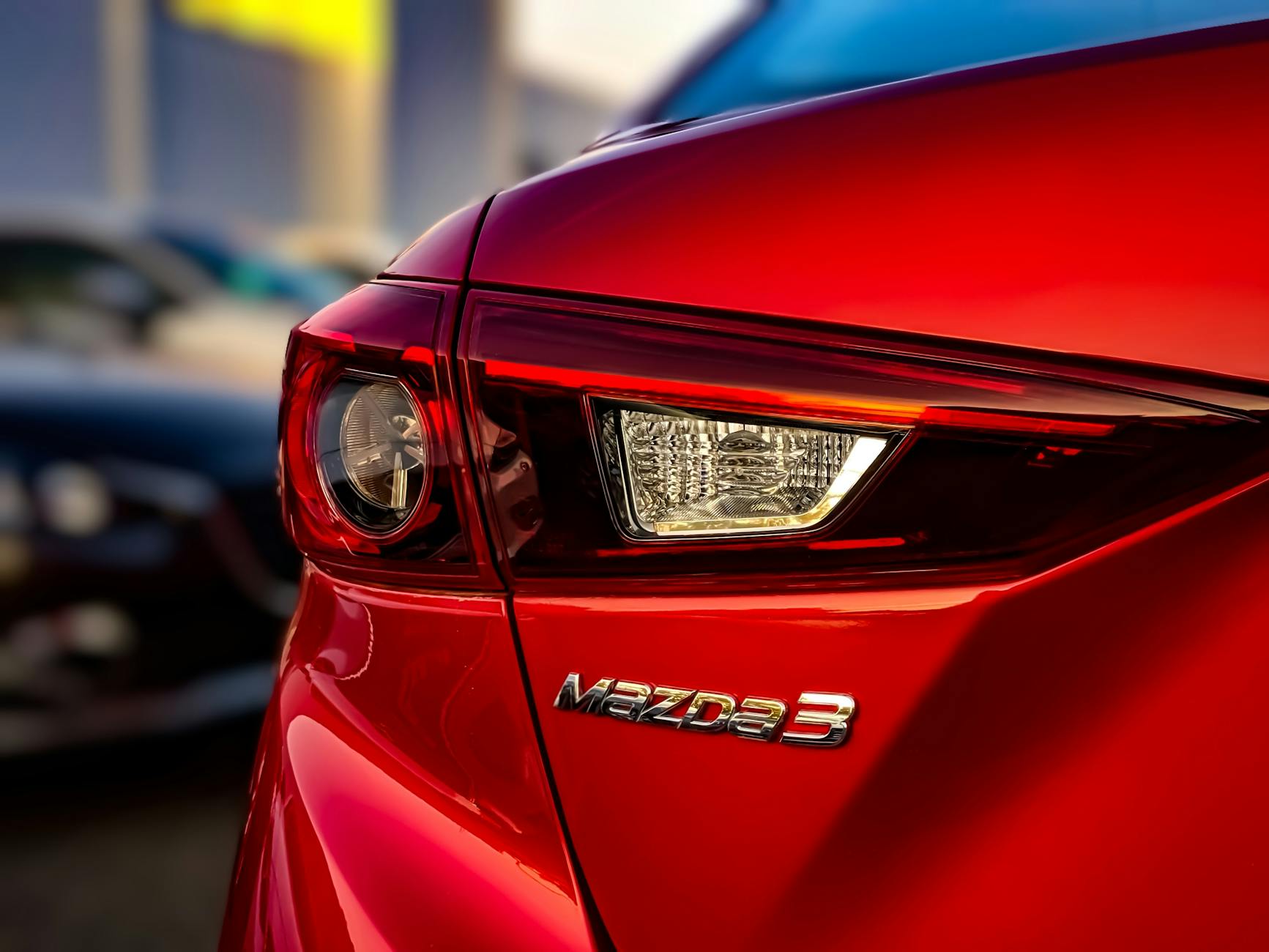
The Mazda SkyActiv engine defects fall into two categories. The first involves defective valve stem seals in 2021-2022 models, primarily the CX-30, CX-5, CX-9, Mazda3, and Mazda6. These faulty seals allow excessive oil to enter the combustion chamber, resulting in abnormally high oil consumption that far exceeds manufacturer specifications. The second defect affects a wider range of model years (2016-2024) and involves a structural weakness in the cylinder head around the exhaust manifold.
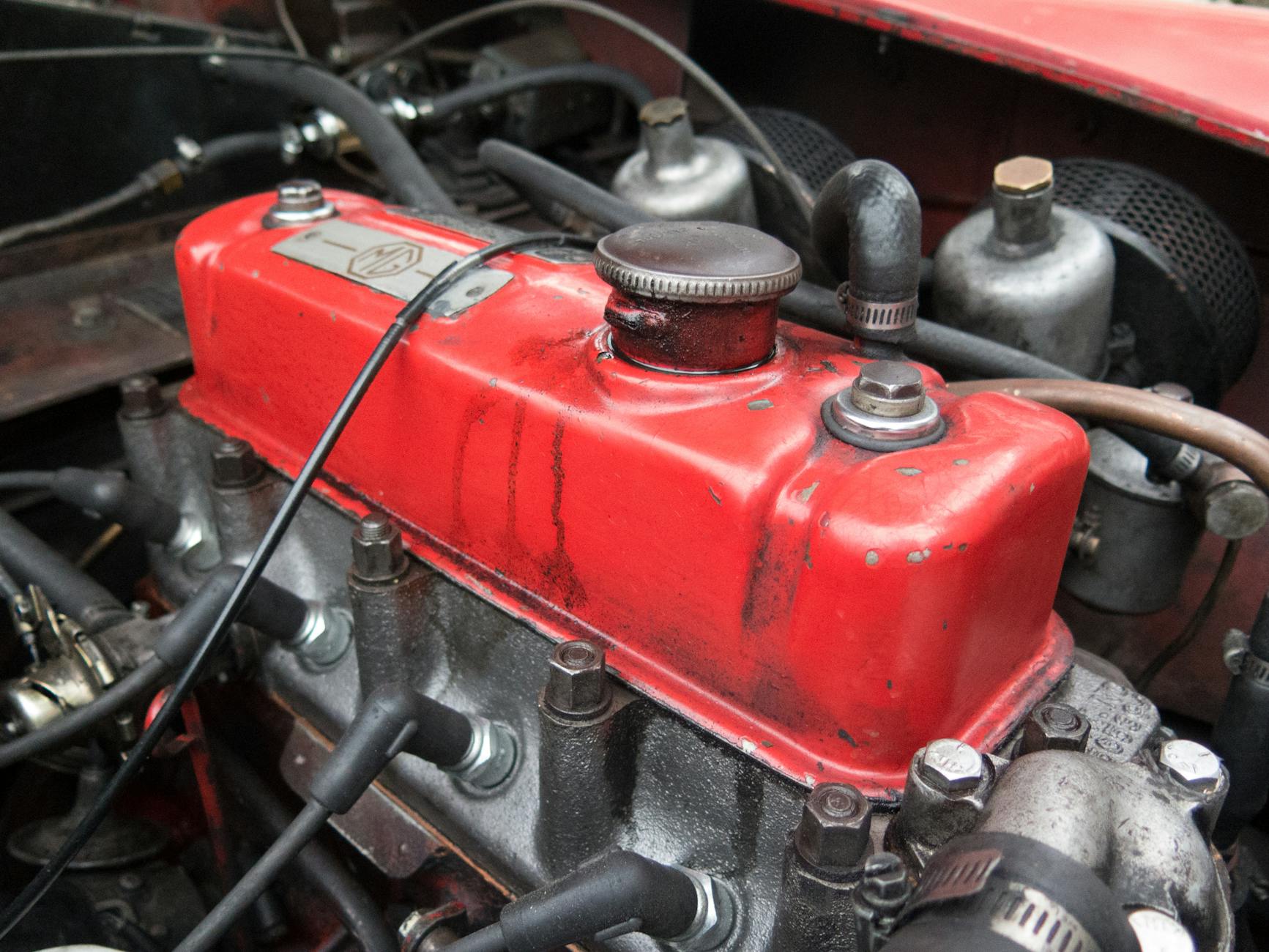
This weakness causes engine coolant to leak internally or externally, potentially leading to engine overheating and, if left unaddressed, complete engine failure. What makes these defects particularly troubling is that they often appear relatively early in a vehicle’s life. An owner driving a 2019 CX-5 might notice coolant disappearing from the reservoir without obvious leaks under the vehicle, or a 2021 Mazda3 driver might discover their oil level dropping rapidly after only 20,000 miles. By comparison, normal oil consumption in modern engines should be negligible—most manufacturers expect less than a quart per 1,000 miles. The SkyActiv issues often produce consumption rates of one quart per 500 miles or worse, creating a safety concern as low oil can lead to engine seizure and catastrophic damage.
The Valve Stem Seal Settlement and What It Means
In November 2024, a federal court approved the Guthrie et al. settlement, providing compensation and remedies for owners of 2021-2022 Mazda vehicles with the valve stem seal defect. Under this settlement, the eight named plaintiffs each received $2,200 in direct compensation, while Mazda committed to covering repair costs for all eligible owners. The company replaced defective valve stem seals at authorized Mazda dealerships at no cost to owners, even providing loaner vehicles during the repair process.
Additionally, Mazda extended the powertrain warranty from the original 60 months/60,000 miles to 84 months/84,000 miles for all affected vehicles. The settlement’s approval represents acknowledgment that the valve stem seal defect was a genuine manufacturing failure—not normal wear or the result of owner negligence. However, a significant limitation of this settlement is that it applies only to 2021-2022 model years, leaving owners of 2020 and 2023+ models without the same formal settlement recovery option, even if they experience identical symptoms. Owners of out-of-warranty vehicles who paid for repairs before the settlement may pursue claims through the claims administrator, but recovery depends on documentation of the defect and repair timing. The $2,200 compensation for named plaintiffs may seem modest compared to the cost of engine replacement (which can exceed $6,000), but it reflects the settlement amount that Mazda negotiated rather than what damages a court might have awarded at trial.
The Ongoing Cylinder Head Cracking and Coolant Leak Lawsuits
While the valve stem seal settlement concluded, multiple class action lawsuits over cylinder head defects remain active as of April 2026. These cases allege that Mazda designed or manufactured cylinder heads with a “significant structural weakness at the cylinder head around the exhaust manifold,” a flaw that causes engine coolant to leak internally and externally. Affected vehicles span a broader range: 2016-2023 CX-9, 2018-2021 Mazda6, 2019-2024 CX-5, 2021-2024 Mazda3 and CX-30, and 2022-2024 CX-50. A notable ongoing case is Clare, et al., v. Mazda Motor of America, Inc., filed in U.S.
District Court for the District of New Jersey. The coolant leak defect carries greater consequences than the valve stem seal issue because coolant loss can rapidly lead to engine overheating and permanent damage. An owner might notice their coolant level dropping over weeks or months, with the engine temperature gauge climbing during highway driving. Unlike oil consumption, which develops gradually, a coolant leak can escalate suddenly—an owner could lose 30% of their coolant capacity in a single highway trip, triggering an engine overheat warning and potentially seizing the engine if the driver doesn’t pull over immediately. This creates a hazardous situation where drivers may be stranded or risk engine destruction if they’re unaware of the problem. As of April 2026, these lawsuits have not reached final settlements comparable to the valve stem seal case, meaning resolution and compensation remain uncertain for owners.
What Compensation and Warranty Coverage Are Available
For the finalized valve stem seal defect, owners of affected 2021-2022 vehicles are entitled to free valve stem seal replacement at any authorized Mazda dealership with loaner vehicle provision during repair. The settlement also includes the extended powertrain warranty of 84 months/84,000 miles. To pursue the $2,200 named plaintiff compensation, owners must submit claims through the court-approved claims administrator, providing evidence of ownership and, in some cases, documentation of any out-of-pocket repairs already completed.
For the ongoing coolant leak litigation, Mazda has proactively issued Customer Service Program (CSP11) extending the limited powertrain warranty to 10 years/120,000 miles for owners of affected vehicles who report the issue. This is a significant extension compared to the standard 36-month/36,000-mile basic warranty but falls short of the lifetime warranty some owners might expect for a manufacturing defect affecting core engine structure. Importantly, warranty coverage may not include ancillary costs such as rental vehicles during extended repairs, towing to dealerships if the vehicle fails on the road, or diminished value of the vehicle. Owners should contact their local Mazda dealership to confirm whether their vehicle qualifies for CSP11 coverage and the specific terms applicable to their situation.
Common Problems and Diagnostic Clues
Recognizing the early signs of these defects can help owners seek remedies before catastrophic engine failure. With the valve stem seal defect, the most obvious indicator is rapid oil consumption combined with visible blue smoke from the exhaust, particularly during acceleration or when starting the engine after it has sat for several hours. Oil level might drop a quart every 500-1,000 miles, far exceeding the normal consumption rate. Some owners report a burning smell in the cabin or visible smoke from under the hood, though others notice the problem only when the check engine light illuminates or oil pressure warnings activate.
With the cylinder head coolant leak defect, early warning signs include coolant level dropping without visible leaks under the vehicle, a sweet smell from the engine bay or exhaust, white steam from the exhaust (particularly on cold mornings), and unexplained rises in engine temperature during normal driving. A critical limitation is that internal coolant leaks may not produce puddles or visible evidence, making the problem harder to diagnose until the engine begins to overheat. Owners should not ignore coolant level drops and should have a professional mechanic inspect the cooling system and pressure test the radiator if they suspect a leak. Continuing to drive a vehicle with coolant loss risks catastrophic engine damage within days, whereas prompt diagnosis and repair under warranty coverage can prevent that outcome.

Who Qualifies and How to File a Claim
Eligibility for the valve stem seal settlement requires ownership of a 2021-2022 Mazda CX-30, CX-5, CX-9, Mazda3, or Mazda6. Registration in the owner’s name at the time of diagnosis or repair strengthens claims, though the settlement administrator may accept alternative proof of ownership. Owners who purchased vehicles secondhand still qualify as long as they can document the vehicle identification number and ownership period. To file a claim for the $2,200 named plaintiff compensation, owners must submit documentation through the official settlement website (mazdavalvestemsealsettlement.com) within the claims deadline, typically set for a defined period after court approval.
For the ongoing coolant leak litigation, eligibility depends on ownership of affected model years (2016-2023 CX-9, 2018-2021 Mazda6, 2019-2024 CX-5, 2021-2024 Mazda3 and CX-30, 2022-2024 CX-50) and experiencing the coolant leak defect. Since no final settlement has been approved yet, owners primarily have two paths: report the issue to Mazda dealerships to access CSP11 warranty coverage, or register with class action counsel if they believe they have strong claims worth pursuing in ongoing litigation. Owners should save all documentation including purchase paperwork, service records showing coolant consumption or repairs, and photos of any coolant residue or warning lights. Delaying action risks warranty coverage expiration, as the extended warranties may have claim filing deadlines.
Mazda’s Response and the Broader Context
Mazda’s approach to these defects has evolved from initial denial to gradual acknowledgment. For years, the company maintained that the valve stem seal and coolant leak issues were not systemic manufacturing problems but rather resulted from owner maintenance lapses or normal wear. The company resisted recalls and initially offered only standard warranty service to affected owners. The decision to settle the Guthrie case and extend CSP11 warranty coverage suggests Mazda recognized the liability exposure and the volume of complaints across its customer base.
Looking ahead, the resolution of the ongoing cylinder head litigation will likely shape Mazda’s reputation and engine strategy. If courts determine that Mazda knowingly designed or manufactured cylinder heads with a structural weakness, the company could face significant financial liability and reputational damage. Conversely, if settlements or verdicts prove less generous than the valve stem seal case, owners of cylinder head defect vehicles may feel that Mazda has escaped meaningful accountability for a more serious defect. For prospective Mazda buyers, these defects serve as a reminder that brand heritage and marketing claims about modern engine technology do not guarantee reliability, and that extended warranty coverage at purchase can provide valuable protection beyond standard factory warranties.
You Might Also Like
- Hyundai Kia Engine Fire Defect Class Action Settlement
- Takata Airbag Inflator Defect Class Action Settlement
- Stellantis Ram Truck Defect Class Action
Open Settlements You Can Claim Now
Browse current class action settlements accepting claims — several require no proof of purchase: