

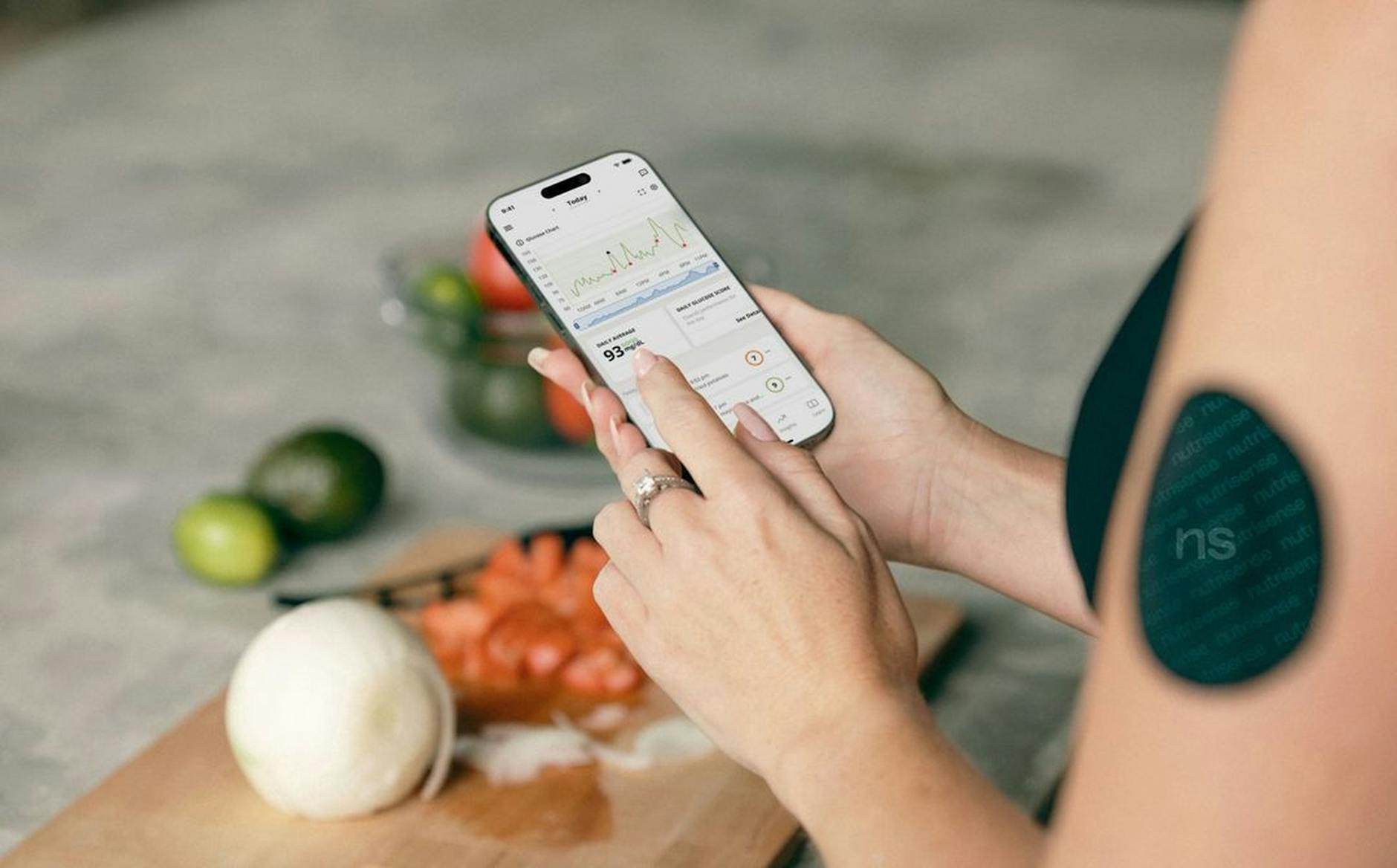
Abbott’s FreeStyle Libre 3 and FreeStyle Libre 3 Plus glucose monitoring sensors have become the subject of a growing class action lawsuit over a manufacturing defect that causes the devices to display dangerously low glucose readings. The defect, which originated from a single production line, affected approximately 3 million sensors that were distributed to patients relying on these devices to manage their diabetes. Since January 2026, when the first class action was filed in California, documented evidence has linked this defect to at least 7 deaths and 860 serious injuries reported as of early January 2026, making it one of the most significant medical device failures in recent years. The Abbott FreeStyle Libre 3 glucose monitor is a small wearable sensor that attaches to the skin and continuously measures glucose levels, sending readings to a smartphone or reader device.
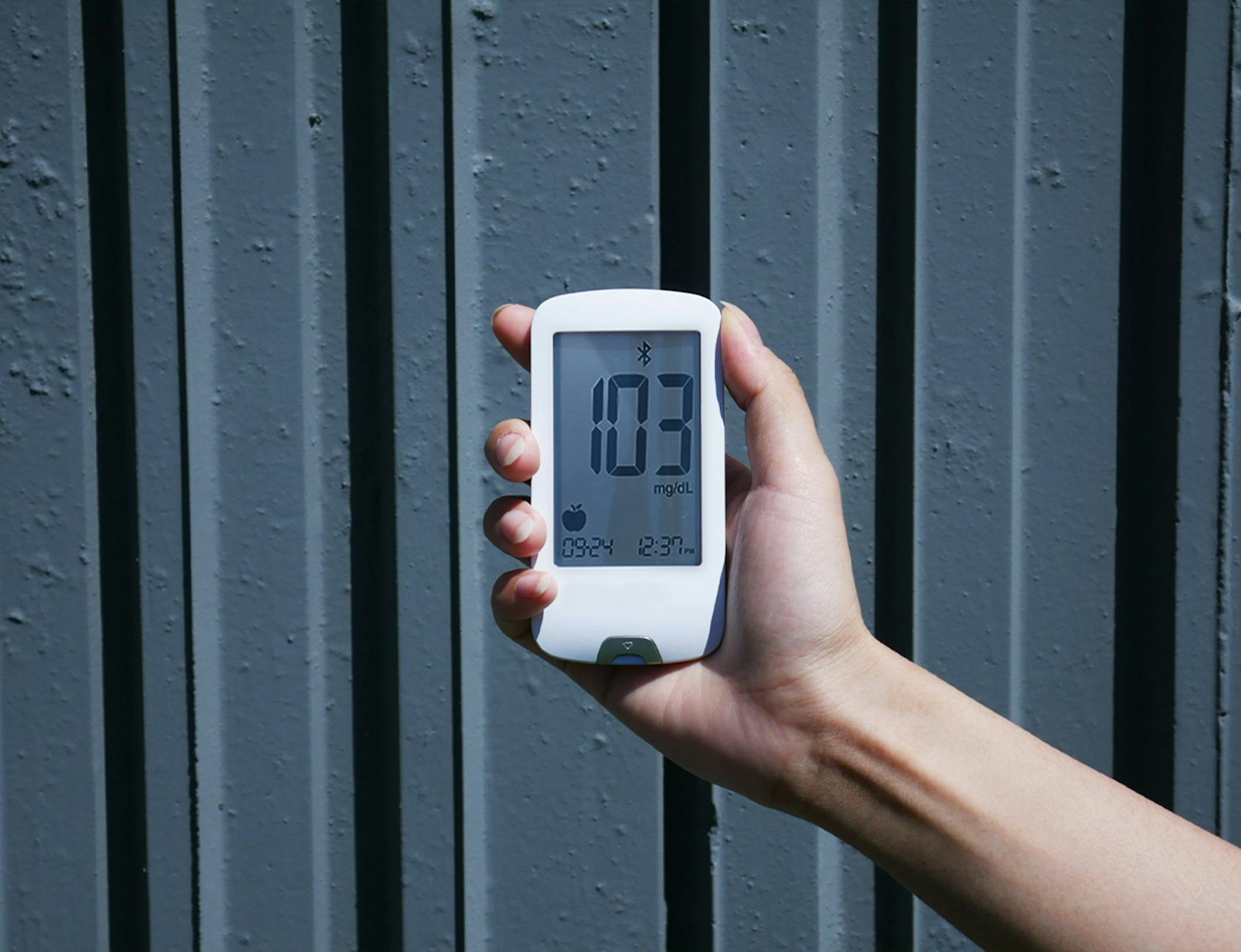
For diabetic patients, these readings are literally life-and-death information—they determine whether someone takes insulin, eats carbohydrates, or seeks emergency medical care. When a sensor displays glucose levels lower than they actually are, a diabetic patient may fail to treat a dangerously high blood sugar level, potentially leading to diabetic ketoacidosis, coma, or death. A patient might see their glucose reading as 89 mg/dL (safe) when it’s actually 189 mg/dL (dangerously high), making a critical medical decision based on false information. The lawsuits allege that Abbott knew about these defects through internal testing but failed to correct them quickly enough and did not adequately warn patients of the risk. As cases move through the early discovery phase, affected patients are exploring their legal options to recover damages for medical expenses, pain and suffering, and lost wages resulting from injuries caused by the faulty sensors.
Table of Contents
- What Is the Abbott FreeStyle Libre 3 Glucose Monitor Defect?
- How Many People Were Harmed by the Defective Sensors?
- The Timeline of the Abbott FreeStyle Libre Lawsuit and Recall
- What Are the Main Allegations Against Abbott in the Class Action Lawsuit?
- What Medical Risks Did the Defective Sensors Create?
- Who Is Affected and How Can You Tell If Your Sensor Was Defective?
- What Does the Future Hold for Abbott FreeStyle Libre 3 Lawsuits?
What Is the Abbott FreeStyle Libre 3 Glucose Monitor Defect?
The FreeStyle Libre 3 sensors were designed to continuously monitor glucose levels and alert patients to dangerous highs and lows. However, a manufacturing defect in sensors produced from a specific production line caused them to report glucose readings that were substantially lower than the actual glucose level in the patient’s blood. This means that when a sensor reported a glucose level of 80 mg/dL (technically low but manageable), the patient’s actual glucose might have been 150 mg/dL or higher. The error was not small or occasional—it was a systematic flaw in how the sensor reported measurements, putting patients at continuous risk throughout the weeks they wore the affected sensor.
Abbott initially recalled approximately 3 million sensors in response to the defect, which represents a massive recall in the medical device industry. The defect was traced back to a manufacturing problem on a single production line, suggesting that Abbott’s quality control processes failed to catch the issue before the sensors were widely distributed to patients. FDA records documented the recall, and Abbott released statements indicating that certain lot numbers of FreeStyle Libre 3 and FreeStyle Libre 3 Plus sensors were affected. Unlike a minor inconvenience, this recall affected devices that diabetic patients had already implanted and were actively using to make medical decisions.
How Many People Were Harmed by the Defective Sensors?
As of January 7, 2026, the medical community had documented 860 serious injuries linked to the defective FreeStyle Libre 3 sensors, and 7 deaths have been attributed to the defect. These numbers represent only reported cases and likely underestimate the total harm, since many patients may not have reported their injuries to the FDA or connected their medical emergency to the sensor defect. A patient who experienced a diabetic crisis, spent a week in a hospital ICU, and incurred $75,000 in medical bills might not file an FDA MedWatch report if they weren’t sure the sensor was responsible. This reporting gap means the true scope of harm is probably larger than current numbers suggest.
The documented injuries range from severe hypoglycemia (dangerously low blood sugar) that caused seizures and loss of consciousness, to hyperglycemic crises (dangerously high blood sugar) that caused diabetic ketoacidosis and required emergency hospitalization. Some patients reported spending days in intensive care units after their body’s chemistry became severely unbalanced because they relied on inaccurate glucose readings to manage their insulin intake. The deaths represent a particularly tragic outcome—patients who might have survived if their glucose monitor had displayed accurate numbers. These were not patients with minor complications; they were people whose lives were directly altered or ended because of Abbott’s defective product.
The Timeline of the Abbott FreeStyle Libre Lawsuit and Recall
The first class action lawsuit regarding the FreeStyle Libre 3 defect was filed in California in January 2026, with Bijoy Shroff named as lead plaintiff. This lawsuit was followed by additional filings as more patients and families became aware of the defect and its potential connection to their medical emergencies. The timing is significant: patients had been using the defective sensors for months before the recall was announced, meaning people had been making critical medical decisions based on inaccurate readings during that entire period. The lawsuit alleges that Abbott identified the defect through internal testing but did not issue a recall immediately, allowing the faulty sensors to remain in patients’ hands longer than necessary. According to legal filings, Abbott concealed the known defects from the public and delayed its corrective action even after receiving multiple injury reports. In a manufacturing company’s internal quality assurance process, testing typically reveals problems before products reach customers.
If Abbott’s internal testing showed the sensors were providing inaccurate readings, the company should have moved to correct and recall them without delay. Instead, patients continued using faulty sensors that were creating a false sense of security or false alarm about their glucose levels. By January 2026, when the recall was finally issued, thousands of patients had already been harmed. As of early 2026, the cases are still in their early stages, with few individual lawsuits officially filed and no settlements reached. The legal process for medical device defects typically moves slowly, as attorneys must investigate the defect, trace the patient’s injuries to the device, and prove that Abbott’s actions (or inactions) caused damages. However, the scale of the recall, the number of documented injuries, and the seriousness of the defect suggest this class action is likely to result in significant settlements. Patients and families who suffered injuries are being encouraged to file their claims before any statute of limitations deadline passes.
What Are the Main Allegations Against Abbott in the Class Action Lawsuit?
The lawsuits bring several types of claims against Abbott. First, there is a claim for manufacturing defect: the sensors simply did not perform as designed and expected. Abbott marketed the FreeStyle Libre 3 as an accurate continuous glucose monitor, and the defective sensors failed to meet that standard. Second, there is a claim that Abbott failed to ensure the accuracy of the sensors despite explicitly marketing them as accurate and reliable. When a company says a medical device is accurate, patients and doctors rely on that claim to make critical health decisions. Abbott’s failure to verify this accuracy before distribution is a central allegation in the lawsuit.
Third, the lawsuits allege that Abbott concealed known defects from the public and from healthcare providers. If Abbott’s internal testing revealed the inaccuracy problem, the company had a responsibility to warn patients and doctors before those defective sensors were used. Instead, patients applied sensors believing they were receiving accurate glucose readings when internal Abbott testing may have already shown this was false. Fourth, the lawsuits claim that Abbott delayed its corrective action after receiving injury reports. Rather than issuing a recall the moment injuries were reported, Abbott allegedly continued to sell defective sensors, putting additional patients at risk. Each of these allegations, if proven, could result in damages awarded to injured patients.
What Medical Risks Did the Defective Sensors Create?
The primary risk created by inaccurate glucose readings is that diabetic patients make wrong medical decisions. A person with Type 1 diabetes (insulin-dependent) checks their glucose level multiple times per day and adjusts their insulin dosage based on those readings. If the sensor shows 150 mg/dL, they might inject additional insulin. If the same sensor actually shows 250 mg/dL (but the patient doesn’t know this), the patient is under-treating a dangerous condition. Over hours, this leads to diabetic ketoacidosis—a life-threatening state where the blood becomes acidic, the body becomes dehydrated, and the patient’s organs begin to fail.
Symptoms include nausea, shortness of breath, and confusion, often progressing to coma if not treated in an emergency room. Conversely, a sensor that displays glucose readings lower than the actual level could cause a patient to panic and over-treat with insulin, creating hypoglycemia (dangerously low blood sugar). A reading of 80 mg/dL when the actual level is 120 mg/dL might prompt a patient to eat 15 grams of carbohydrates to bring their glucose up, when in fact their glucose was already safe. If a sensor displaying false low readings causes a patient to repeatedly over-treat with insulin, genuine hypoglycemia can develop, causing shakiness, sweating, confusion, and in severe cases, seizures or loss of consciousness. Both scenarios—over-treating and under-treating—can result in hospitalization, permanent organ damage, or death. A limitation of current glucose monitor regulation is that the FDA relies partly on manufacturers’ own testing data; independent audits of sensors before distribution could potentially catch defects like Abbott’s earlier in the process.

Who Is Affected and How Can You Tell If Your Sensor Was Defective?
Abbott issued a recall that identified specific lot numbers of FreeStyle Libre 3 and FreeStyle Libre 3 Plus sensors. If you used a FreeStyle Libre 3 sensor during early 2026 or if you have sensors in a potentially affected lot, you can check Abbott’s website or FDA database to see if your device was included in the recall. The affected sensors came from a single production line, but without clear lot-number information, patients may not know which of their sensors (if any) were defective. A patient might have used 10 sensors over the course of several months; perhaps three of them were from the defective lot and seven were not.
If you experienced a serious medical emergency—such as a hospital stay for diabetic ketoacidosis, severe hypoglycemia, or any event requiring emergency medical care—while using a FreeStyle Libre 3 sensor, you may have grounds for a claim. You should document the dates you wore the sensor, the lot number of the sensor if you still have the packaging, and the details of your medical event. If you recorded glucose readings from the sensor and they seemed inconsistent with how you were feeling (for example, the sensor showed safe readings but you had symptoms of high blood sugar), that documentation could be valuable evidence. Family members of patients who died while using the defective sensors may also have grounds for wrongful death claims.
What Does the Future Hold for Abbott FreeStyle Libre 3 Lawsuits?
As of mid-2026, the FreeStyle Libre 3 litigation is still in its early phases. No class action settlement has been reached, and the outcome of the lawsuits remains uncertain. However, medical device defects of this magnitude—affecting millions of units and causing documented serious injuries and deaths—typically result in significant settlements or jury awards. Abbott may face the choice of settling with affected patients to avoid a prolonged and costly trial, or going to trial and risking even larger jury awards if it is found liable.
The company’s reputation and future market position for glucose monitors depend partly on how quickly and fairly it addresses the defects and compensates the people harmed. Patients who have been harmed should not wait too long to file claims, as statutes of limitation exist for product liability cases. The exact deadline varies by state, but generally ranges from one to three years from the time of injury. As more people become aware of the connection between the defective sensors and their medical emergencies, additional lawsuits are likely to be filed, potentially strengthening the class action and increasing pressure on Abbott to settle. Healthcare providers and patients considering Abbott glucose monitors in the future should carefully review the company’s quality assurance practices and consider competing products until Abbott has fully addressed the defect and restored confidence in its manufacturing processes.
You Might Also Like
- Biomet 3i Dental Implant Defect Class Action
- Zimmer NexGen Knee Implant Loosening Class Action
- Zetia Vytorin Cholesterol Antitrust Class Action Settlement
Open Settlements You Can Claim Now
Browse current class action settlements accepting claims — several require no proof of purchase: