
The Volkswagen diesel emissions scandal resulted in one of the largest consumer settlements in U.S. history. In June 2016, Volkswagen agreed to a $14.7 billion settlement to resolve federal civil charges that the automaker had deceived millions of consumers by installing software designed to cheat on emissions tests. The settlement was approved by a U.S.
Federal judge on October 25, 2016, making it a binding agreement that would affect nearly 500,000 vehicle owners across the United States. This settlement represented VW’s attempt to make consumers whole after the company installed “defeat devices”—software that detected when vehicles were being tested and reduced emissions during tests, while allowing the vehicles to emit nitrogen oxides at levels up to 40 times higher than legal limits during normal driving. For owners of affected 2.0-liter diesel Volkswagen and Audi models from 2009-2015, the scandal exposed a fundamental breach of trust between a major automaker and its customers. The settlement was comprehensive, directing funds toward three main areas: direct compensation to consumers, environmental remediation, and investment in zero-emissions technology. By July 2020, Volkswagen had repaid more than $9.5 billion to affected car buyers, demonstrating the concrete impact this settlement had on American households who had unknowingly purchased vehicles marketed as clean and fuel-efficient.
Table of Contents
- What Was the VW Diesel Emissions Scandal and Why Did It Result in This Settlement?
- How Much Money Did Consumers Actually Receive From This Settlement?
- Which Vehicles and Vehicle Owners Were Eligible for Settlement Compensation?
- What Options Did Owners Have Under the Settlement?
- What Were Common Issues With Claiming Settlement Benefits?
- How Did the Settlement Address Environmental Damage?
- What Happened to Volkswagen After the Settlement?
What Was the VW Diesel Emissions Scandal and Why Did It Result in This Settlement?
Volkswagen’s diesel engines became synonymous with “clean diesel” marketing in the late 2000s and early 2010s, with the company promoting these vehicles as environmentally responsible alternatives to gasoline-powered cars. However, beginning in 2009, VW installed sophisticated software in approximately 500,000 vehicles that could detect when the car was undergoing EPA emissions testing. During these tests, the software would activate full emissions controls, allowing the vehicles to pass with flying colors. Once the test ended, the software would scale back emissions controls to improve fuel economy and engine performance during real-world driving, causing the vehicles to emit hazardous pollutants at far higher levels than legally permitted. This deception unraveled in September 2015 when the U.S.
Environmental Protection Agency (EPA) and the California Air Resources Board discovered that Volkswagen diesel vehicles were emitting vastly higher levels of nitrogen oxides (NOx) than allowed under the Clean Air Act. The revelation shocked the automotive industry and consumers alike, prompting investigations by federal authorities, state governments, and foreign regulators. Volkswagen initially tried to explain the discrepancies through technical issues, but eventually admitted to installing deliberate defeat devices in approximately 500,000 2.0-liter diesel vehicles sold in the United States between 2009 and 2015. The $14.7 billion settlement represented a negotiation between VW, federal regulators, and representatives of affected consumers. The company agreed to this massive figure to avoid extended litigation and potential criminal charges, though the total cost of the scandal to Volkswagen eventually exceeded $33.3 billion when accounting for separate environmental fines, criminal penalties, and additional settlements globally.
How Much Money Did Consumers Actually Receive From This Settlement?
The settlement directed up to $10 billion directly to approximately 475,000 affected vehicle owners, making this one of the largest direct consumer compensation components of any automotive settlement. Individual owners could receive between $5,000 and $10,000 per affected vehicle, depending on the specific model, model year, and the options they chose in resolving their claim. For example, an owner of a 2014 Volkswagen Jetta TDI might receive $7,500 in direct compensation, while a 2015 Audi A3 TDI owner could receive up to $10,000. Critically, owners weren’t limited to accepting cash compensation. Volkswagen offered three options for each affected vehicle: they could receive a cash settlement alone, take a cash settlement and have their vehicle’s emissions systems brought into compliance through a free fix, or participate in VW’s buyback program and sell their vehicle back to the company.
The buyback option proved popular with many owners who wanted to walk away from the scandal entirely rather than rely on a software fix for a car they no longer trusted. By July 2020, the actual amount Volkswagen had paid out exceeded $9.5 billion to individual consumers, indicating that the company honored its compensation obligations substantially. However, a critical limitation of this settlement was that not all consumers who believed they were harmed received the maximum compensation. Those who had modified their vehicles, driven them beyond certain mileage thresholds, or had purchased them used faced different compensation calculations. Additionally, owners who sold their vehicles before the settlement terms were established received no compensation, even though they had purchased vehicles under false pretenses—a downside that highlighted how timing and luck affected who benefited most from the settlement.
Which Vehicles and Vehicle Owners Were Eligible for Settlement Compensation?
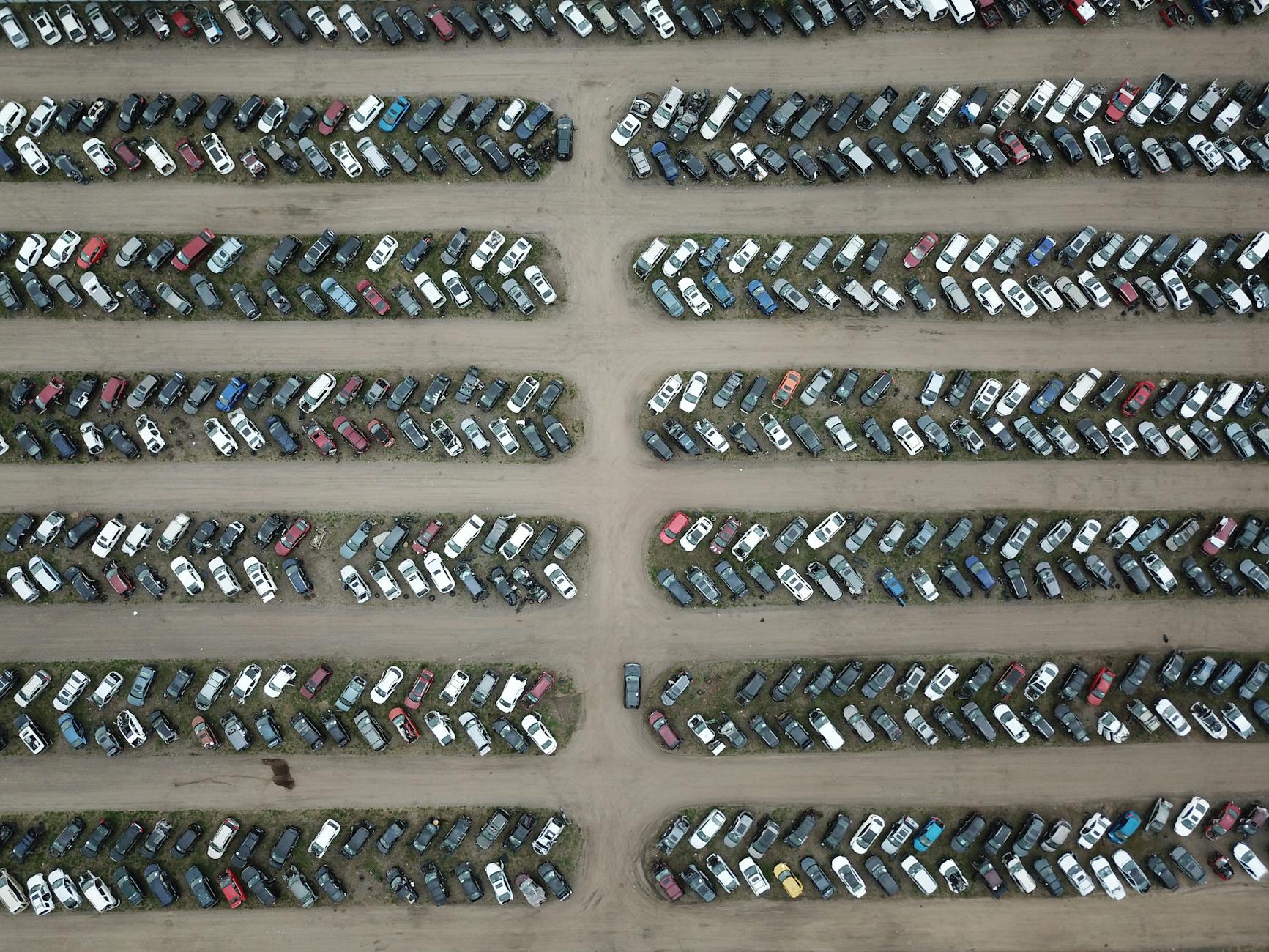
The settlement covered nearly 500,000 vehicles, specifically model year 2009-2015 2.0-liter diesel-powered Volkswagens and Audis sold in the United States. The most common affected models included the Volkswagen Jetta, Passat, Golf, Golf Sportwagen, and Beetle, as well as the Audi A3. These vehicles represented the heart of VW’s diesel offerings during the scandal period, and many had been marketed specifically as environmentally responsible choices with excellent fuel economy. A typical owner might have purchased a 2013 VW Golf TDI, believing they were buying a clean, efficient European sedan that would provide reliable transportation while minimizing their environmental impact. To receive settlement benefits, owners had to register their vehicles and prove ownership of one of the affected models during the claims period.
The settlement created a detailed process to verify eligibility, including checks against VW ownership records and VIN databases. Registered owners of multiple affected vehicles could file claims for each car, though the settlement established deadlines for filing claims, after which eligible claimants could no longer participate. For many consumers, meeting these deadlines proved straightforward, but others faced challenges if their records were incomplete or if they had purchased vehicles used without complete documentation. An important limitation of the settlement eligibility was that it excluded certain vehicle owners who might have been harmed by the scandal. For instance, subsequent owners of vehicles purchased after the scandal became public received no compensation, even though they purchased cars aware of the emissions issue. Similarly, lessees of affected vehicles had limited options compared to owners, and commercial fleet operators faced different claim procedures than individual consumers, resulting in varying outcomes across different types of vehicle users.
What Options Did Owners Have Under the Settlement?
The VW settlement gave affected owners a genuine choice in how to resolve their situation, distinguishing this settlement from many others where consumers have limited agency. The first option was a cash-only settlement, which allowed owners to keep their vehicles and receive between $5,000 and $10,000 depending on the model year and vehicle. This appealed to owners who had grown attached to their cars or wanted to avoid the hassle of selling and replacing them. For example, an owner of a 2012 VW Passat could accept $6,500 in cash and continue driving the vehicle indefinitely. The second option combined cash with a free emissions fix. VW agreed to develop software updates and hardware modifications that would bring the affected vehicles into compliance with EPA emissions standards. Owners choosing this path would receive their cash settlement and could have their vehicles modified at any authorized Volkswagen dealership at no cost.
This option appealed to owners who wanted to address the underlying deception while keeping their cars functional and legal. However, a significant tradeoff was that the emissions fixes were known to reduce fuel economy in some vehicles, meaning owners would achieve better emissions performance but sacrifice some of the fuel efficiency that had attracted them to diesel engines in the first place. The third option was VW’s buyback program, which allowed owners to sell their vehicles back to Volkswagen at a pre-scandal fair market value. This option provided certainty and clean exit for owners uncomfortable with the modified vehicles or who wanted new cars anyway. VW handled the transaction, paperwork, and logistics, though owners had to navigate the appraisal process to ensure they received fair value. Many owners chose this option specifically because it allowed them to walk away from the scandal entirely without relying on a software patch or keeping a vehicle they now viewed with suspicion. However, the trade-off was that owners had to purchase replacement vehicles, and by 2016-2017 when most buyback claims were processed, vehicle prices had risen, potentially requiring owners to spend more on replacements.
What Were Common Issues With Claiming Settlement Benefits?
Despite the settlement’s generally fair framework, numerous owners encountered obstacles in claiming their benefits. One common issue was documentation challenges—owners without original purchase records or registration documents sometimes faced delays or denials until they could gather proof of ownership. Another frequent problem was confusion about which vehicles qualified; owners of 3.0-liter diesel vehicles, which were affected by separate settlement terms, sometimes filed claims under the 2.0-liter settlement, leading to rejection and requiring them to refile correctly. A significant limitation of the settlement was that it included strict deadlines for filing claims. Owners who failed to register their vehicles or submit complete claims by the established cutoff dates forfeited their right to participate.
Additionally, some owners complained that the buyback valuations were below current market value, particularly for lower-mileage vehicles. Others reported that the emissions fix reduced their vehicles’ reliability or performance in unexpected ways, turning what was supposed to be a solution into a new source of frustration. Some owners faced difficulties scheduling appointments for the emissions modifications due to dealership backlogs. Another warning for consumers involved in future settlements is that the settlement did not address potential tax implications of the cash compensation owners received. Depending on how they filed their taxes, some consumers may have faced unexpected tax bills on their settlements, a consequence that wasn’t clearly communicated to all claimants. This represented a gap in the settlement communications, as owners received compensation but weren’t always informed about potential tax obligations.

How Did the Settlement Address Environmental Damage?
Beyond direct consumer compensation, the settlement allocated $2.7 billion specifically for environmental mitigation. This funding was designed to offset the excess emissions that had been illegally released into the atmosphere over the years that the defeat devices were in operation. The environmental remediation funds went toward installing or upgrading emissions control technology at ports, transit agencies, and other heavy-use facilities that contributed significantly to air pollution. Additionally, states were allocated portions of this funding to develop environmental projects that would reduce overall emissions across their communities.
The settlement also directed $2 billion toward promoting zero-emissions vehicle technology and infrastructure. This forward-looking component reflected the EPA’s and state regulators’ interest in accelerating the transition away from internal combustion engines entirely. The funds supported development of battery electric vehicle charging networks, electric vehicle rebate programs, and manufacturer investments in zero-emissions technology. By investing in the future of clean transportation, this component of the settlement attempted to ensure that the scandal led to positive systemic change rather than simply compensating past harms.
What Happened to Volkswagen After the Settlement?
The diesel emissions scandal permanently altered Volkswagen’s reputation and business strategy in the United States. Though the company agreed to the $14.7 billion settlement in 2016, the total cost of the scandal eventually reached $33.3 billion by June 2020 when accounting for separate EPA environmental penalties, criminal charges against VW executives, state environmental settlements, and other legal costs. This extraordinary expense served as a stark reminder of the financial and reputational consequences of corporate fraud at the highest levels.
In response to the scandal and settlement, Volkswagen shifted its strategic focus away from diesel vehicles in the American market and dramatically accelerated its electric vehicle program. The company recognized that the scandal had destroyed consumer trust in its diesel technology and environmental commitments, making a return to combustion-engine marketing in the United States unlikely in the near term. Volkswagen’s subsequent investments in electric vehicles, its launch of the ID.4 and other EVs, and its marketing pivot toward “electric is the future” represented a direct response to the settlement’s environmental components and the broader recognition that the company needed to rebuild trust through genuine environmental commitment rather than marketing claims.
You Might Also Like
- Zetia Vytorin Cholesterol Antitrust Class Action Settlement
- Wellbutrin Antidepressant Antitrust Class Action Settlement
- Provigil Sleep Drug Antitrust Class Action Settlement
Open Settlements You Can Claim Now
Browse current class action settlements accepting claims — several require no proof of purchase: