

Public outrage over corporate tax avoidance has reached a boiling point as recent reports reveal that some of America’s largest and most valuable companies are paying effective tax rates in the single digits””or near zero””while the statutory corporate rate sits at 21 percent. The anger is not abstract: Tesla, valued at over $1 trillion, paid just 0.4 percent in federal corporate income taxes on $10.8 billion in profits from 2022 to 2024. Occidental Petroleum managed to drive its effective rate down to 6 percent. These figures have fueled accusations that the tax system operates under two sets of rules””one for multinational giants with armies of accountants, and another for everyone else. The backlash has grown loud enough to spawn talk of a “tax revolt” among voters who feel the system is rigged.
Rep. Marjorie Taylor Greene captured the sentiment when she stated that “almost every Trump voter I see on X is so fed up they are planning a 2026 tax revolt.” Whether that materializes into organized action remains uncertain, but the frustration is genuine and bipartisan in spirit, even if the political responses diverge sharply. This article examines what these corporate tax breaks actually entail, how they became embedded in the tax code, what happened to enforcement efforts, and what options exist for consumers and taxpayers who want to take action. Beyond the headline numbers, we will look at the international dimension””including how American corporations continue to book roughly half of their foreign profits in tax havens””and explore why the IRS dismantled its own crackdown on abusive tax shelters. For those wondering whether class action litigation or consumer advocacy can address these inequities, we will examine the realistic options and their limitations.
Table of Contents
- Why Are Corporations Paying So Little While the Official Tax Rate Is 21 Percent?
- The International Dimension: How Tax Havens Persist Despite Global Agreements
- The IRS Crackdown That Was Dismantled Before It Could Work
- What Can Ordinary Taxpayers Actually Do About Corporate Tax Avoidance?
- The “Tax Revolt” Movement and Its Limitations
- How the 2017 Tax Cuts Reshaped Corporate Obligations
- What Happens Next: Reform Prospects and Political Realities
- Conclusion
Why Are Corporations Paying So Little While the Official Tax Rate Is 21 Percent?
The gap between the statutory corporate tax rate and what companies actually pay comes down to a labyrinth of deductions, credits, deferrals, and accounting strategies that are entirely legal. The Foreign-Derived Intangible Income (FDII) deduction, for example, allows companies to reduce their tax burden on income earned from intellectual property and exports. Repealing this single provision would raise an estimated $1.2 trillion over the period from 2026 to 2035, according to the Institute on Taxation and Economic Policy. That figure alone illustrates how significant these carve-outs are. Accelerated depreciation, research and development credits, stock option deductions, and the ability to carry forward losses from previous years all contribute to the effective rate plummeting far below 21 percent for profitable corporations.
Verizon, for instance, saved $1.5 billion from the 2017 Trump tax cuts, while AT&T expects its cash taxes to be $1.5 to $2 billion lower in 2025 due to new tax provisions. These are not obscure loopholes exploited by a handful of bad actors””they are mainstream features of the corporate tax code used by publicly traded companies that report the savings to their shareholders. The frustration among ordinary taxpayers is compounded by the scale of foregone revenue. The United States lost an estimated $2.2 trillion in revenues through tax breaks in 2025 alone. When voters see that number alongside their own tax bills, the sense of unfairness becomes visceral.

The International Dimension: How Tax Havens Persist Despite Global Agreements
American corporations continue to book approximately one-half of their total foreign profits in tax havens, according to research from the EU Tax Observatory. This practice persists despite years of international negotiations aimed at establishing a global minimum tax. The OECD brokered an agreement intended to curb the race to the bottom, but as of January 5, 2026, US-headquartered corporations remain exempt from key elements of that global minimum tax regime. This exemption means that while other countries move forward with implementation, American multinationals face a different set of rules””often more favorable ones.
The result is a competitive advantage for US firms in the short term, but it also perpetuates the profit-shifting strategies that drain tax bases worldwide. Critics argue this undermines the entire premise of international cooperation on tax matters. However, if the US were to fully adopt the global minimum tax, some American companies would face significantly higher tax bills, potentially affecting stock prices and dividend payouts. Supporters of the exemption argue it protects American competitiveness. Opponents counter that it simply allows the shell game to continue indefinitely while other nations bear the costs.
The IRS Crackdown That Was Dismantled Before It Could Work
In a development that has received less attention than the corporate tax rates themselves, the IRS dismantled a crackdown on corporate tax shelters that was projected to raise more than $10 billion yearly. This enforcement initiative, launched during the Biden administration, required companies using aggressive tax shelter strategies to report them to the IRS””a basic transparency measure intended to identify abusive arrangements before they drained billions from the treasury. In April, the Trump administration ordered the IRS to rescind those rules.
The stated rationale involved reducing regulatory burden on businesses, but critics see it as gutting enforcement precisely when it was beginning to produce results. Without mandatory disclosure, the IRS has far less visibility into the complex structures that corporations use to minimize their tax obligations. This creates a paradox: the tax code contains provisions that allow aggressive planning, and the agency responsible for enforcement has been told to look the other way when companies exploit them. For consumers and small business owners who cannot afford sophisticated tax planning, the disparity feels especially unjust.

What Can Ordinary Taxpayers Actually Do About Corporate Tax Avoidance?
The options for individual action are limited but not nonexistent. Class action lawsuits targeting tax avoidance directly are rare because the practices in question are generally legal””there is no fraud to litigate. However, consumers can participate in shareholder advocacy if they own stock in companies with aggressive tax strategies, voting for resolutions that demand greater tax transparency or push for responsible corporate tax practices. Some advocacy organizations track corporate tax behavior and issue scorecards that consumers can use to make purchasing decisions.
Boycotts have historically had mixed results; they work best when concentrated, sustained, and tied to a clear demand. Diffuse anger at the tax system rarely translates into the kind of focused consumer action that changes corporate behavior. The more direct path runs through Congress, which writes the tax code. Contacting representatives, supporting candidates who prioritize tax reform, and engaging with organizations that lobby for closing loopholes are the conventional routes. The tradeoff is that political change is slow and uncertain, while corporate tax planning continues unabated in the meantime.
The “Tax Revolt” Movement and Its Limitations
The phrase “2026 tax revolt” has circulated on social media, particularly among voters frustrated with what they perceive as a two-tiered system. While the anger is real, the practical implications of a tax revolt are complicated. Refusing to pay federal taxes carries serious legal consequences, including penalties, interest, and potential criminal prosecution. The IRS has broad collection powers, including wage garnishment and asset seizure.
Symbolic protests””such as filing extensions, sending letters to Congress alongside tax returns, or publicizing personal tax burdens compared to corporate rates””carry less legal risk but also less immediate impact. Some activists have proposed that taxpayers demand itemized receipts showing how their tax dollars are spent, though this is not a legal entitlement under current law. The warning here is straightforward: individual tax noncompliance hurts the noncompliant individual far more than it hurts the system. Collective political action, while slower, remains the avenue most likely to produce lasting change without personal financial ruin.
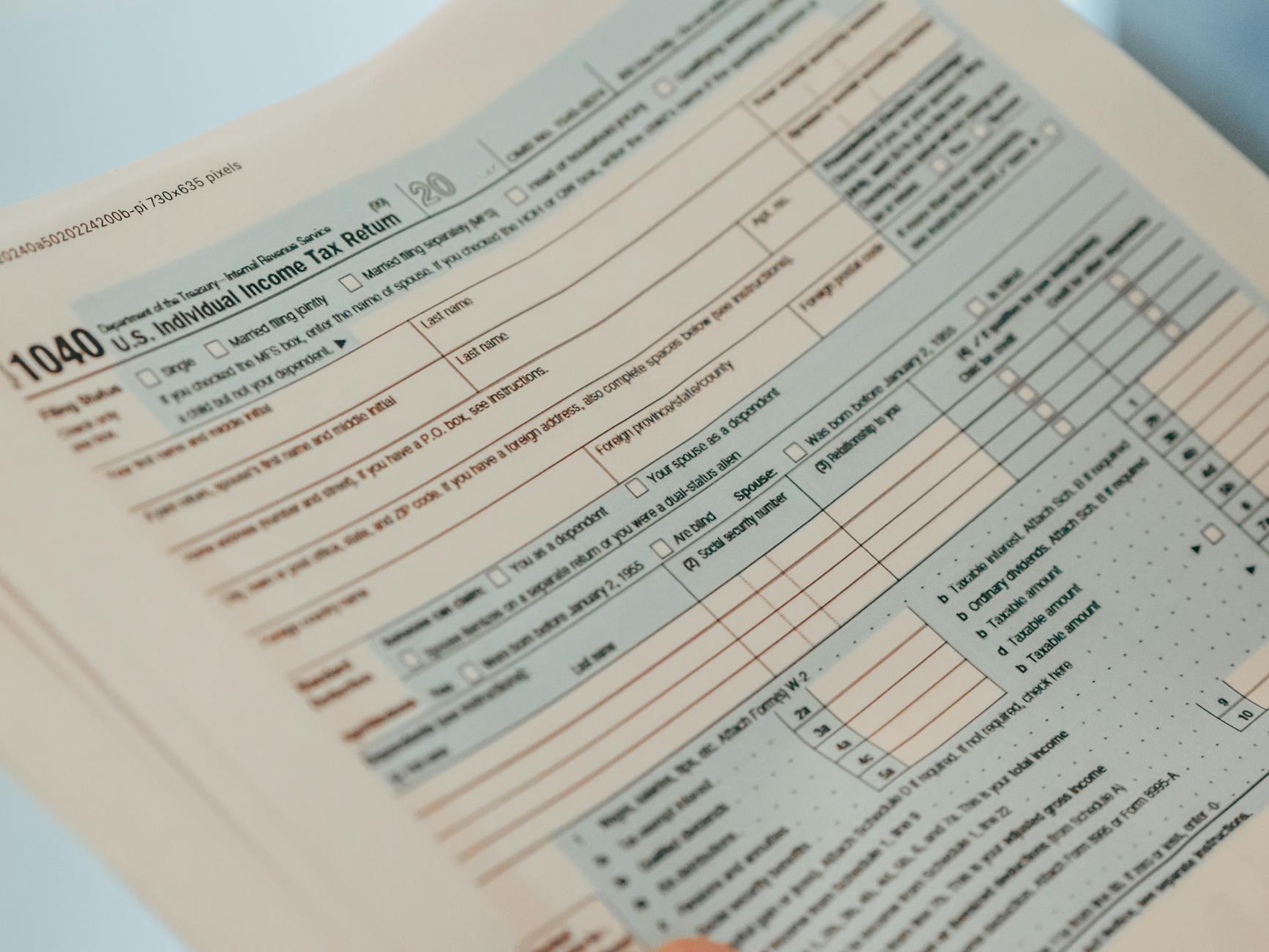
How the 2017 Tax Cuts Reshaped Corporate Obligations
The Tax Cuts and Jobs Act of 2017 reduced the statutory corporate rate from 35 percent to 21 percent, but its effects went far beyond that headline change. It introduced and expanded provisions like the FDII deduction, created incentives for repatriating foreign profits, and altered the treatment of pass-through business income in ways that primarily benefited larger enterprises.
Verizon’s $1.5 billion in savings and AT&T’s projected $1.5 to $2 billion reduction in 2025 cash taxes are direct results of these changes. Proponents argued the cuts would spur investment and job creation; critics pointed to stock buybacks and dividend increases as evidence that the benefits flowed primarily to shareholders rather than workers.
What Happens Next: Reform Prospects and Political Realities
The political appetite for corporate tax reform exists in rhetoric but faces obstacles in practice. Lobbying by affected industries is intense, and the complexity of the tax code makes it difficult for the public to track specific provisions.
The FDII deduction, worth $1.2 trillion over a decade if repealed, is not a household term””yet it represents exactly the kind of targeted benefit that drives the effective rate disparity. Whether the current anger translates into legislative action depends on factors beyond public opinion: committee assignments, procedural rules, and the willingness of lawmakers to take on well-funded opposition. The dismantling of IRS enforcement suggests that the current political environment favors corporate interests, but public sentiment has shifted before, and it may shift again.
Conclusion
The viral anger over corporate tax breaks reflects a factual disparity that is difficult to dispute. Companies like Tesla paying 0.4 percent on billions in profits while the statutory rate is 21 percent is not a conspiracy theory””it is the documented result of a tax code riddled with deductions, credits, and exemptions that sophisticated taxpayers can exploit. The $2.2 trillion in foregone revenue from tax breaks in 2025 represents schools not built, infrastructure not repaired, and deficits not reduced.
For consumers seeking redress, the path forward involves a combination of political engagement, shareholder advocacy, and informed purchasing decisions. Class action litigation is not a realistic avenue for addressing legal tax avoidance. The most effective pressure comes through the democratic process, imperfect and slow as it may be. Understanding the specific mechanisms””FDII deductions, tax shelter reporting rules, international exemptions””is the first step toward demanding that elected officials address them.