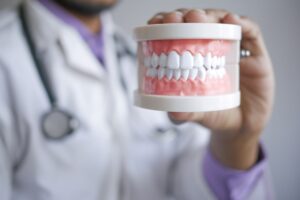

Suboxone, a medication widely prescribed to treat opioid addiction, has become the subject of a significant class action lawsuit alleging that it causes severe dental damage—including tooth decay, enamel erosion, and tooth loss—in patients who use it. The Suboxone dental injury claim allows users who experienced unexpected dental deterioration while taking the medication to seek compensation from the manufacturer, Indivior Inc. A settlement was reached in late 2024 and early 2025, establishing a fund to compensate affected patients for their dental expenses and related harms.
The dental injuries associated with Suboxone have affected thousands of users who relied on the medication for opioid addiction treatment, only to face extensive and expensive dental work they did not anticipate. One patient, for example, developed severe enamel erosion and multiple cavities within months of starting Suboxone, requiring root canals and extractions that cost tens of thousands of dollars out-of-pocket. This class action raises important questions about pharmaceutical liability, patient disclosure, and whether manufacturers adequately warned users about known risks—particularly dental risks that can accumulate silently before becoming visible and irreversible.
Table of Contents
- What Is Suboxone and How Is It Used?
- The Dental Injury Allegations and Medical Mechanism
- Timeline of the Settlement and Legal Developments
- Eligibility and the Claims Process
- Compensation Amounts and Limitations
- The Role of the Manufacturer and Known Risks
- Prevention and Protective Measures
- The Broader Context of Medication-Related Dental Injury
What Is Suboxone and How Is It Used?
Suboxone is a prescription medication containing buprenorphine (a partial opioid agonist) and naloxone (an opioid antagonist). It is the brand name for a sublingual film or tablet formulation designed to dissolve under the tongue. The medication is approved by the FDA to treat opioid addiction and has become one of the most commonly prescribed addiction treatments in the United States, used by hundreds of thousands of patients annually. The drug works by reducing cravings and withdrawal symptoms in people with opioid use disorder.
Unlike methadone, which requires daily clinic visits, Suboxone can often be prescribed in office-based settings, making it more accessible to patients in various treatment programs. The sublingual formulation is preferred for its convenience and lower risk of diversion compared to oral tablets. However, the sublingual delivery method—dissolving the film directly under the tongue—keeps the medication and its acidic components in prolonged contact with oral tissues and tooth enamel. This direct contact with teeth distinguishes Suboxone from many other medications that are swallowed and pass through the mouth more quickly.
The Dental Injury Allegations and Medical Mechanism
The class action alleges that Suboxone causes tooth decay, enamel erosion, gum disease, and tooth loss at rates that are unusually high compared to the general population and even compared to other opioid-dependent individuals not using Suboxone. Claimants report experiencing rapid, unexpected dental deterioration—including cavities, discoloration, weakening of enamel, and complete tooth loss—often within months or a few years of starting Suboxone. The proposed mechanism of injury centers on the acidity and chemical composition of the drug formulation. Suboxone films contain acids and other additives that, over time and with repeated daily exposure, may soften tooth enamel and create an environment conducive to bacterial growth and decay.
The sublingual delivery method means patients expose their teeth to these components multiple times daily, year after year. Additionally, some patients experience dry mouth (xerostomia) as a side effect, which reduces saliva production and saliva’s natural protective properties, further accelerating tooth decay. A critical limitation of the claims is that tooth decay is multifactorial—diet, hygiene, genetics, and other medications all contribute. However, claimants argue that the rate and severity of decay they experienced was disproportionate and began or accelerated specifically after starting Suboxone, suggesting the medication played a significant causal role beyond normal risk factors.
Timeline of the Settlement and Legal Developments
The Suboxone dental injury class action litigation began in federal court, with lawsuits filed by patients alleging personal injury from dental damage caused by the medication. Multiple cases were consolidated into a class action as the number of similar claims grew. Throughout 2023 and into 2024, discovery proceedings revealed internal company documents, scientific studies, and pharmacovigilance data regarding known dental risks. By late 2024, Indivior Inc.
agreed to settle the class action for a substantial sum, with the settlement fund intended to compensate eligible class members for dental expenses, including treatments such as crowns, root canals, implants, extractions, and cosmetic restorations. The settlement does not require an admission of liability from the manufacturer but allows affected patients to claim compensation. Class members who meet the eligibility criteria—generally, having filled prescriptions for Suboxone during specified date ranges and experiencing documented dental damage—can file claims through an administrator. The claims process typically requires proof of Suboxone use and evidence of dental work or diagnoses related to decay, erosion, or loss.
Eligibility and the Claims Process
To be eligible for compensation under the Suboxone settlement, you must typically demonstrate that you (1) purchased or used Suboxone during the period covered by the settlement, (2) experienced dental injuries or damage, and (3) incurred dental treatment expenses as a result. Eligible class members include those who paid out-of-pocket for dental care and those whose insurance paid, though the settlement fund may prioritize certain categories of claimants or cap individual awards. The claims filing process generally requires documentation such as pharmacy records showing Suboxone prescriptions, dental records describing the condition of your teeth and the treatment provided, and receipts or insurance explanations of benefits showing dental expenses.
Some claims processes include a relatively straightforward submission (self-certification of use and injury), while others may require dental professional verification or submission of detailed medical records. A key tradeoff is timing: filing early ensures you don’t miss the claims deadline, but gathering all required documentation—particularly old dental records—can take time. Some claimants find it difficult to locate records from years past, and dental offices may charge fees to retrieve or copy records from long-closed cases.
Compensation Amounts and Limitations
Settlement payouts vary based on the severity and type of dental damage, documented expenses, and the total number of valid claims filed. Some settlements establish a fixed amount per claimant (e.g., $500 or $1,500), while others use a claims-evaluation process where each individual’s award is calculated based on submitted expenses and proof of damage. If the total valid claims exceed the settlement fund, payments may be prorated.
A significant limitation is that the settlement typically covers only actual out-of-pocket dental expenses and related damages—it does not provide compensation for pain and suffering, lost wages, or emotional distress in the way that personal injury verdicts might. Additionally, if your dental insurance paid for treatment, the settlement fund may need to reimburse your insurer first before you receive any remaining funds, reducing your net recovery. This is called “insurance subrogation” and is a common (but frustrating) feature of class action settlements. Some claimants receive modest payouts of a few thousand dollars, while others with extensive damage and high treatment costs may recover $10,000 to $50,000 or more—though the settlement administrator will provide estimates of expected award ranges based on submitted documentation.
The Role of the Manufacturer and Known Risks
Indivior Inc., the manufacturer and distributor of Suboxone, faces allegations that it knew or should have known about the dental risks associated with the medication but failed to adequately warn patients and healthcare providers. Court filings and discovery materials have reportedly shown that the company received reports of dental damage from users yet did not prominently disclose these risks in prescribing information or patient materials. The labeling and prescribing information for Suboxone lists various side effects but, according to claimants, downplayed or omitted the dental risks despite reports in the medical literature and post-market surveillance data suggesting a potential link.
Dental professionals treating Suboxone patients have reported seeing a pattern of accelerated decay and erosion that they associate with the medication, yet many prescribers and patients were not explicitly warned to monitor dental health or take preventive measures. Indivior’s settlement, while not an admission of wrongdoing, allows the company to resolve litigation while continuing to sell and market Suboxone. The settlement does not preclude future lawsuits by non-class-action claimants or prevent the FDA from further investigating or updating warning labels based on accumulated evidence.
Prevention and Protective Measures
If you are currently taking Suboxone, several measures may help reduce the risk of dental damage. Rinse your mouth with water immediately after taking the medication to wash away residual drug residue and acids. Use fluoride mouthwash or prescription-strength fluoride gel to strengthen enamel.
Maintain excellent oral hygiene—brush twice daily with a soft-bristled toothbrush and floss daily—and see a dentist every three to six months instead of the standard annual visit. Address dry mouth by staying hydrated and, if necessary, discussing dry mouth with your prescriber to explore alternative formulations or other management strategies. Some patients benefit from using a straw to take liquid formulations or from placing the sublingual film farther back in the mouth to minimize contact with visible tooth surfaces. Sugar-free lozenges or xylitol gum can stimulate saliva production and provide additional protection.
The Broader Context of Medication-Related Dental Injury
Suboxone is not the only medication linked to dental damage. Many drugs—including certain antihistamines, anticholinergics, bisphosphonates, and chemotherapy agents—can cause or contribute to oral health problems.
What distinguishes the Suboxone case is the scale, the apparent lack of adequate warning, and the direct prolonged contact between the medication and teeth due to the sublingual delivery method. The litigation over Suboxone’s dental risks has prompted discussions within the medical and pharmaceutical communities about the need for clearer risk communication, improved post-market surveillance of dental adverse effects, and consideration of alternative formulations that may reduce direct tooth contact. Some patients have successfully switched to other addiction-treatment medications (such as oral naltrexone or methadone) once they learned about the dental risks, though these alternatives have their own tradeoffs and may not be suitable for all patients.
- —