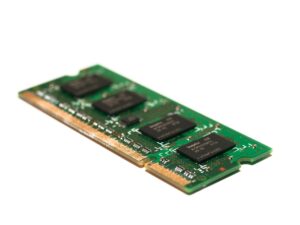
G.Skill International Enterprise, a major manufacturer of computer memory products, agreed to pay $2.4 million to settle a class action lawsuit alleging that the company advertised DDR4 and DDR5 desktop RAM kits at speeds they could not reliably achieve without manual overclocking by the user. Consumers who purchased these memory kits expecting out-of-the-box performance at the advertised speeds say they were misled. Claims are now being accepted.
See full details and learn how to file a claim on our dedicated G.Skill settlement page.
Status: Claims Open — $2.4 Million Settlement
What Was the Problem with G.Skill RAM?
When you buy a kit of desktop RAM, the packaging and marketing materials prominently display the memory speed — numbers like DDR4-3200, DDR4-3600, or DDR5-6000. Most consumers reasonably assume that when they install the memory in their computer, it will run at the speed printed on the box.
The lawsuit alleged that G.Skill’s RAM kits did not actually run at their advertised speeds by default. Instead, the memory would boot at a lower, baseline speed determined by the JEDEC standard — the industry specification for default memory operation. To reach the advertised speed, users had to manually enter their computer’s BIOS settings and enable an XMP (Extreme Memory Profile) or EXPO profile, which is essentially a form of overclocking.
While experienced PC builders are often familiar with enabling XMP profiles, the average consumer who buys a RAM kit from a retail store or online marketplace has no idea that additional manual steps are required. They install the memory, turn on their computer, and assume it is running at the speed they paid for. In most cases, it was not.
What Is XMP and Why Does It Matter?
XMP stands for Extreme Memory Profile. It is a technology developed by Intel that allows memory manufacturers to store predefined overclocking settings on the RAM module itself. When a user enables XMP in their motherboard’s BIOS, the system reads these profiles and automatically applies the higher speed and timing settings.
The key issue in this lawsuit is that XMP is technically overclocking. Running memory at XMP speeds pushes the components beyond the standard JEDEC specification. This means:
- The RAM does not run at the advertised speed by default — you have to manually change settings in the BIOS
- Not all motherboards support all XMP profiles — compatibility issues can prevent the RAM from reaching its advertised speed even with XMP enabled
- Overclocking can affect system stability — some users experience crashes, blue screens, or data corruption when running at XMP speeds
- Warranty implications — some motherboard manufacturers consider XMP operation to be outside normal use, which could complicate warranty claims for related components
Who Can File a Claim?
The settlement covers consumers in the United States who purchased qualifying G.Skill DDR4 or DDR5 desktop memory kits during the class period, which runs from approximately 2018 through 2026. The specific models covered by the settlement are listed in the claim form documentation.
You may be eligible to file a claim if:
- You purchased a G.Skill desktop RAM kit that was advertised at a speed above the baseline JEDEC specification
- The purchase was made during the class period
- You are a resident of the United States
You do not need to have experienced a specific problem with your RAM to be eligible. The claim is based on the allegation that the advertising itself was misleading, regardless of whether you eventually enabled XMP and achieved the advertised speed.
How Much Can You Get?
Individual claim amounts will depend on the number of claims filed against the $2.4 million fund. Claimants will likely receive a payment proportional to the purchase price of their RAM kit. Those who can provide proof of purchase, such as a receipt or order confirmation, may receive a higher payment than those who file without documentation.
Given that individual RAM kits typically cost between $30 and $300 depending on the capacity and speed, and the total fund is $2.4 million, payments could range from a few dollars to potentially several dozen dollars per claim depending on the total number of valid claims submitted.
What Is G.Skill Doing Going Forward?
As part of the settlement, G.Skill agreed to change how it labels and advertises its memory products. Going forward, the company will mark the higher speeds on its packaging as “OC” (overclocked) profiles, making it clear to consumers that the advertised speed requires manual configuration and is not the default operating speed.
This labeling change is arguably the most impactful part of the settlement for future consumers. While the cash payments to current class members may be modest, the new labeling practice sets a precedent for transparency in how computer memory is marketed across the entire industry.
How to File Your Claim
- Gather your proof of purchase — receipts, email order confirmations, credit card statements, or screenshots from online retailer purchase histories (Amazon, Newegg, etc.)
- Identify your specific G.Skill product — check the model number on the RAM kit packaging or in your order history
- Submit your claim online — visit the official settlement website and complete the claim form before the deadline
- Claims without proof of purchase — you may still be able to file, but your payment will likely be reduced
- Do not miss the deadline — claims filed after the cutoff date will not be accepted
Case Details
| Defendant | G.Skill International Enterprise Co., Ltd. |
| Allegation | False advertising of RAM speeds that required manual overclocking to achieve |
| Settlement Amount | $2.4 million |
| Class Period | Approximately 2018 — 2026 |
| Products Covered | DDR4 and DDR5 desktop memory kits |
| Status | Claims open |
By Steve Levine | Published: February 18, 2026
Legal Disclaimer
This article is for informational purposes only and does not constitute legal advice. OpenClassActions.org is not a law firm and does not represent any party in this litigation. If you have questions about your eligibility or the claims process, consult with a qualified attorney. Settlement terms and deadlines are subject to change.