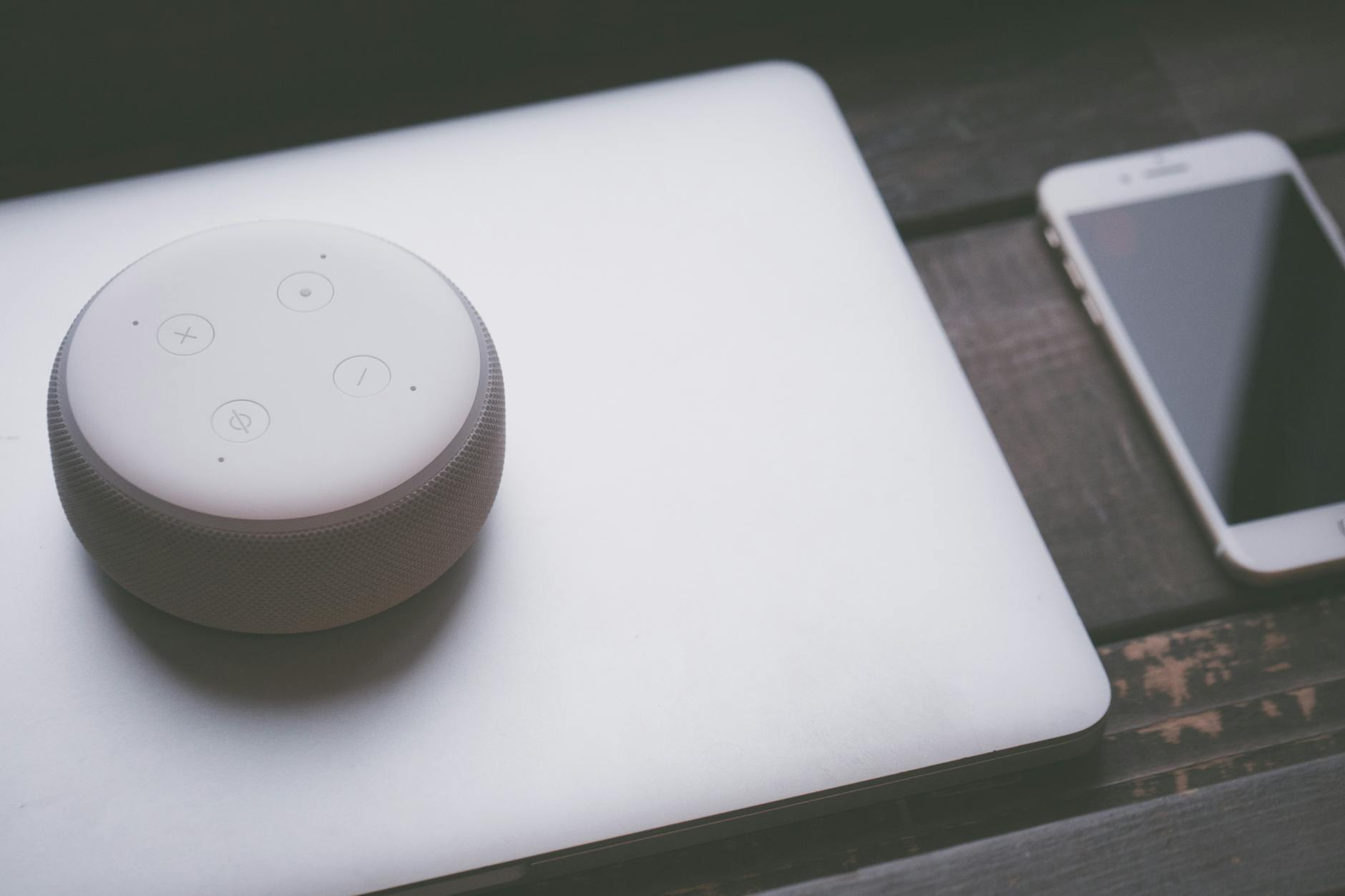
Amazon reached a $25 million settlement with the Federal Trade Commission and Department of Justice in May 2023 for violating the Children’s Online Privacy Protection Act (COPPA Rule) with its Alexa voice assistant. The company had illegally retained children’s voice recordings and geolocation data indefinitely, even after parents explicitly requested deletion. Additionally, Amazon was certified in a nationwide private class action lawsuit on July 7, 2025 (Garner v. Amazon.com, Inc.), which allows millions of Alexa users nationwide to seek compensation for privacy violations.
If you owned or registered an Alexa device and had concerns about your child’s data privacy, you may be eligible for compensation. The COPPA violations represent one of the most significant privacy breaches involving children’s data in recent years. Amazon’s practices allowed the company to build detailed profiles of millions of children without meaningful parental consent or the ability for parents to effectively delete information. The combination of the federal settlement and private class action creates multiple avenues for consumers to recover damages and ensures Amazon faces meaningful accountability for how it handled sensitive information about minors.
Table of Contents
- What Violations Did Amazon Commit Under COPPA?
- The FTC Settlement Terms and What Amazon Must Do Now
- The Private Class Action and Nationwide Class Certification
- Estimated Payout Amounts and Timeline
- What Data Did Amazon Collect and Retain?
- Who Qualifies for the Class Action Settlement?
- What This Means for the Broader Privacy Landscape
What Violations Did Amazon Commit Under COPPA?
COPPA Rule requires that online service providers obtaining information from children under 13 must obtain verifiable parental consent before collecting, using, or disclosing that information. amazon violated this law in several concrete ways. When a parent deleted their child’s Alexa voice data, Amazon continued storing it indefinitely rather than removing it from its systems. The company also kept geolocation information associated with children’s Alexa accounts permanently, regardless of parent deletion requests.
This wasn’t a technical oversight—Amazon retained billions of private conversations collected through Alexa devices and used them to train and improve its algorithms without proper parental authorization. For example, a parent might have registered an Alexa device in their home and set up a child account. If that parent later decided the privacy risks weren’t acceptable and requested deletion of all their child’s recordings, Amazon would delete the visible data but continued storing copies in other systems for product development purposes. This practice directly contradicted COPPA’s core requirement that companies respect parental choices about their children’s information. The FTC determined that Amazon’s conduct was particularly egregious because the company had the technical capability to delete data but chose a policy that prioritized business interests over legal obligations to families.
The FTC Settlement Terms and What Amazon Must Do Now
In May 2023, the FTC and DOJ charged Amazon with violating COPPA and required a civil penalty of $25 million—one of the largest penalties for a children’s privacy violation. beyond the financial penalty, the settlement imposed significant operational requirements on Amazon. The company must delete all previously retained voice recordings and geolocation data of children on its Alexa platform. For any future deletions requested by parents, Amazon cannot retain copies of the deleted voice data or geolocation information to create, improve, or develop new products and services.
The settlement also requires Amazon to delete all inactive Alexa accounts belonging to children. This provision addresses the reality that many families register Alexa devices for children who later stop using them, and those abandoned accounts could still contain sensitive data. Additionally, Amazon must implement new practices to ensure genuine parental consent before collecting children’s data and must allow parents to access and delete that information in a straightforward way. These requirements represent a fundamental shift in how Amazon must approach child privacy on its Alexa platform going forward.
The Private Class Action and Nationwide Class Certification
Beyond the FTC settlement, a private class action lawsuit (Garner v. Amazon.com, Inc.) has been advancing through U.S. District Court. On July 7, 2025, Federal Judge Robert Lasnik certified the case as a nationwide class action. This certification is significant because it allows millions of Amazon Alexa device owners across the entire United States to join a single lawsuit seeking damages for their privacy injuries.
The certified class covers all individuals who owned or registered Alexa devices and had their voice data or geolocation information retained by Amazon in violation of their privacy expectations. The class action allegations are far-reaching. Amazon allegedly recorded billions of private conversations from Alexa devices without proper consent and used that data to train and improve its artificial intelligence algorithms. Families who purchased Alexa devices expecting privacy protections found instead that Amazon was building detailed voice profiles and location histories of children in their homes. Unlike the FTC settlement, which focuses on future compliance, the private class action seeks to compensate individuals for the past unauthorized use of their data and the privacy violations they experienced.

Estimated Payout Amounts and Timeline
Class members can expect to receive compensation ranging from approximately $10 to $50 per household, with actual amounts depending on factors such as the number of Alexa devices owned, the duration of device ownership, and how the settlement administrator calculates individual damages. While these per-household amounts may seem modest compared to the $25 million settlement, they reflect the reality that the injury in privacy cases—the unauthorized retention and use of data—is difficult to quantify in traditional damages terms. Many class members experienced harm without financial loss, so settlements distribute available funds across the entire class.
Households are expected to begin receiving payments in early 2026, though the exact timing depends on the final approval and administration process. To receive a payout, class members will need to submit a claim form proving they owned or registered an Alexa device during the relevant period. Keeping purchase records, device registration documents, or Amazon account statements showing Alexa device ownership will strengthen any claim. The settlement administrator will provide detailed instructions on how and where to submit claims, and those instructions will be widely publicized to ensure eligible class members have a reasonable opportunity to participate.
What Data Did Amazon Collect and Retain?
Amazon’s Alexa ecosystem collects data across multiple dimensions. The primary data source is voice recordings—every time someone speaks to an Alexa device, that audio is recorded and sent to Amazon’s servers. This includes conversations not intended for Alexa. If multiple people are in a room with an Alexa device, their private conversations can be captured and stored. For children’s Alexa accounts, these recordings could include sensitive personal information, medical details, family discussions, and other private moments that parents had no intention of sharing with a technology company.
Alongside voice data, Amazon also retained geolocation information tied to children’s Alexa accounts. This location data comes from various sources—associated GPS devices, IP addresses, Alexa app usage, and other signals. Amazon used these two data streams together: combining voice recordings with precise location information to build algorithmic profiles. The limitation of the current settlements is that they don’t fully address how Amazon used this data to train its voice recognition and recommendation systems. Families who felt their children’s privacy was invaded have limited recourse for understanding exactly what behavioral profiles were created and how long Amazon may continue using training models built from their children’s data.

Who Qualifies for the Class Action Settlement?
The nationwide class action covers individuals who owned or registered an Alexa device during the period Amazon was committing COPPA violations. This includes anyone who set up an Alexa device in their home, even if the device was primarily for adult use, because Amazon retained information about all household members who interacted with the device. Parents or guardians who set up child-specific Alexa accounts are clearly eligible class members. If you purchased an Alexa device directly, received one as a gift, or used one that another family member owned, you may be entitled to compensation.
To qualify, you’ll need to demonstrate ownership or registration of an Alexa device. Documentation can include Amazon purchase receipts, bank or credit card statements showing the purchase, device registration information saved to your Amazon account, or product packaging. If your Alexa device was a gift, look for related emails or confirmation messages. The key requirement is establishing a reasonable connection between you and an Alexa device during the relevant claim period. The settlement administrator and claims process will provide flexibility in acceptable proof, recognizing that some people may not have kept detailed records years after device purchases.
What This Means for the Broader Privacy Landscape
The Amazon Alexa settlement represents a turning point in how regulators and courts treat children’s privacy violations by major technology companies. The $25 million FTC penalty signals that the agency is willing to pursue large settlements and impose strict compliance requirements when companies prioritize data collection over parental protections. The private class action certification further demonstrates that consumers can pursue their own legal remedies when their privacy has been invaded. Other companies in the voice assistant market—Google, Apple, and others—should expect increased scrutiny of their own practices regarding children’s voice data retention and use.
Looking forward, we can expect more aggressive enforcement of COPPA and similar privacy laws. The FTC has signaled that companies cannot simply claim technical necessity or business convenience as justifications for retaining children’s data against parental wishes. Amazon’s required implementation of data deletion mechanisms and parental access tools will likely become the baseline expectation for all companies serving families with children. Consumers should begin reviewing their own household smart device ecosystems and examining what data retention practices these companies employ, especially when children are present.
You Might Also Like
- Temu Consumer Data Privacy Class Action Lawsuit
- Oura Ring Health Data Privacy Class Action
- J Crew Customer Data Privacy Class Action
Open Settlements You Can Claim Now
Browse current class action settlements accepting claims — several require no proof of purchase: