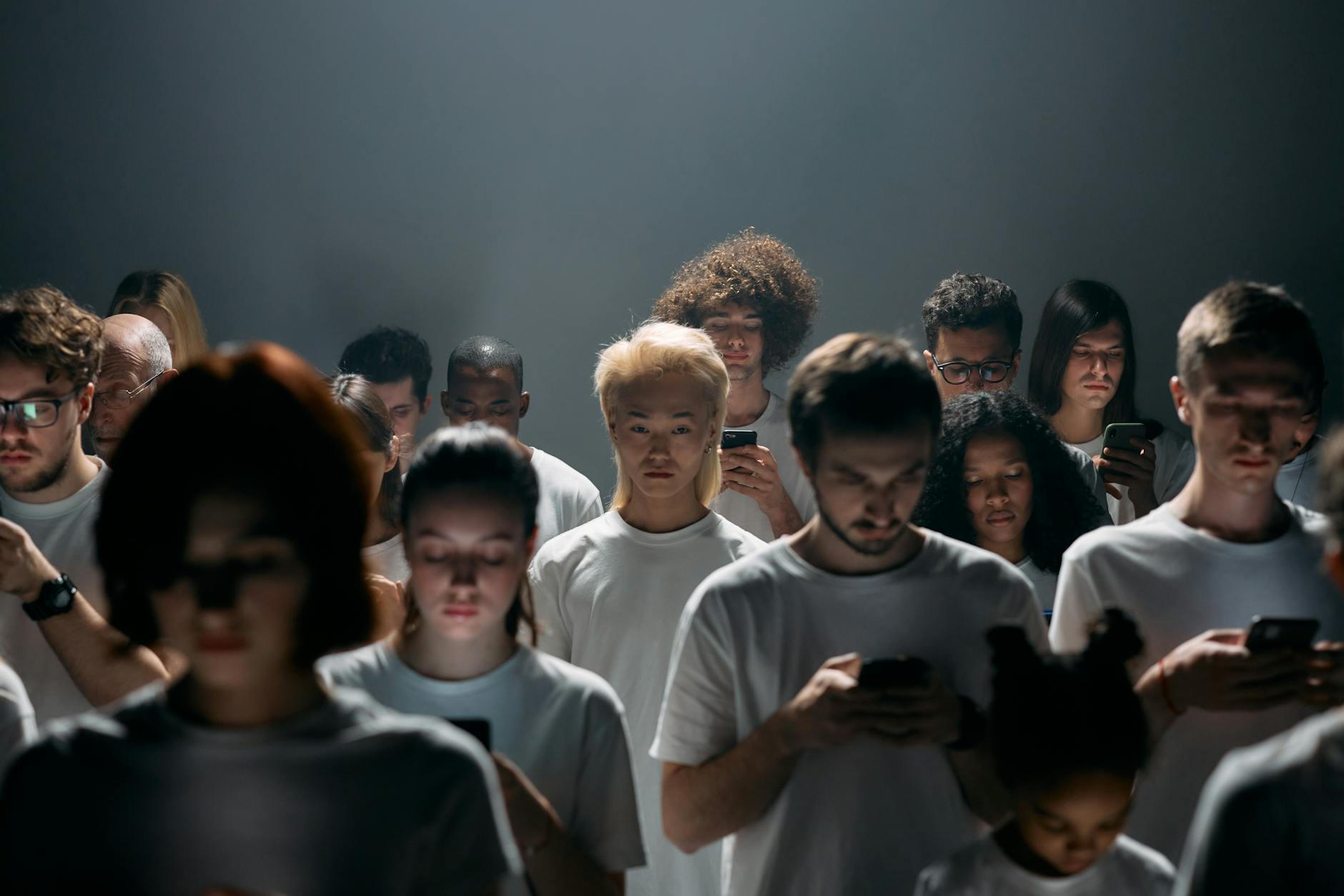
As of March 23, 2026, a landmark social media addiction trial in Los Angeles remains without a final jury decision, with jurors informing the judge that they are struggling to reach consensus on at least one of the two remaining defendants. The case, heard in Los Angeles Superior Court before Judge Carolyn B. Kuhl, has been in jury deliberations since March 13, 2026—now over a week without resolution. Rather than declare a mistrial, Judge Kuhl instructed the jury to continue deliberating, keeping the outcome uncertain for Meta and YouTube, the defendants still in the case.
What makes this trial significant is that it represents one of the first major lawsuits attempting to hold social media platforms legally liable for using deliberately addictive design practices. The case involves a 20-year-old woman from Chico, California, who claims that Meta (Instagram) and YouTube caused her mental health problems—including depression and harmful thoughts—through their use of compulsive engagement tactics. With TikTok and Snap having already settled before trial, the focus now rests entirely on whether Meta and YouTube will be held accountable for their design choices.
Table of Contents
- What Is Happening With the Social Media Addiction Jury Deliberations?
- The Plaintiff’s Case Against Meta and YouTube: What Are the Allegations?
- How Did TikTok and Snap Avoid Trial?
- What Happens if the Jury Cannot Reach a Verdict?
- Understanding Judge Kuhl’s Decision to Keep the Jury Deliberating
- The Impact of This Landmark Case on Social Media Regulation
- What’s Next in This Landmark Case?
What Is Happening With the Social Media Addiction Jury Deliberations?
The jury in this case has been deliberating since March 13, 2026, and as of March 23, they reported to Judge Kuhl that they are having difficulty reaching a consensus on at least one defendant—meaning there is a real risk of a partial deadlock. When a jury cannot unanimously agree on guilt or liability, particularly when there are multiple defendants, judges face a difficult choice: declare a mistrial and force the case to be retried, or instruct the jury to keep deliberating in hopes of reaching agreement. Judge Kuhl chose the latter option, ordering the jury to continue their work rather than give up.
This deadlock risk is significant because it could result in a partial mistrial. If the jury reaches a verdict on one defendant but remains deadlocked on the other, the case would have to be at least partially retried. This would mean additional months or years of litigation, more legal costs, and prolonged uncertainty for the plaintiff. It also means one defendant could face liability while the other escapes judgment—an asymmetrical outcome that neither side may view as justice.

The Plaintiff’s Case Against Meta and YouTube: What Are the Allegations?
The plaintiff in this case is a 20-year-old woman from Chico, California, whose journey with social media began at an unusually young age. She started using YouTube when she was just 6 years old and later became heavily involved with Instagram, a meta-owned platform. She alleges that both companies deliberately designed their platforms with addictive features—infinite scroll, algorithmic recommendations, notification systems, and engagement metrics—specifically intended to maximize user engagement and screen time, regardless of the mental health consequences.
Her allegations focus on the psychological mechanisms embedded in these platforms. YouTube’s recommendation algorithm, for example, is designed to keep users watching video after video, often escalating to increasingly extreme content. Instagram’s features like Stories, Reels, and the like-counter are engineered to trigger dopamine responses and FOMO (fear of missing out), making it difficult for young users to disengage. The plaintiff argues that she developed depression and harmful thoughts as a direct result of her compulsive use of these platforms, and that Meta and YouTube bore responsibility because they knowingly designed these addictive features targeting young users.
How Did TikTok and Snap Avoid Trial?
Before jury selection even began in this case, two of the original defendants—TikTok and Snap—reached settlements and exited the litigation. The details of these settlements, including the amounts and terms, have not been publicly disclosed in the materials available, but their decision to settle is telling. Both companies apparently concluded that the risk of trial and potential liability was too high and that a negotiated settlement was preferable to betting on a jury verdict.
This early settlement strategy differs significantly from Meta and YouTube’s approach. Meta, owned by Facebook, and YouTube, owned by Google, have both chosen to fight the case all the way to trial, likely believing they have stronger legal defenses or that settling would open the floodgates to similar litigation. However, now that the jury is deadlocked or near-deadlocked, Meta and YouTube may be reconsidering whether their decision to contest the case was wise. A mistrial would require them to go through another costly trial, and a verdict against them could expose them to massive liability and establish a precedent for future social media addiction lawsuits.

What Happens if the Jury Cannot Reach a Verdict?
If the jury remains deadlocked and cannot unanimously agree on liability for one or both defendants, Judge Kuhl will be forced to declare a mistrial on that count. When a mistrial is declared, the case is essentially reset—the verdict is erased, and the plaintiff’s legal team can choose to retry the case against the defendant on which the jury could not decide. This is expensive and time-consuming for everyone involved: the plaintiff’s lawyers, the defendants’ legal teams, the court system, and expert witnesses. A mistrial does not benefit either party.
The plaintiff does not get a judgment in her favor and must start over. The defendants do not get an acquittal or dismissal—they simply get another chance to defend themselves at trial. In some cases, a deadlocked jury and the prospect of a costly retrial can push parties toward settlement negotiations. Meta and YouTube may decide that settling is cheaper and more predictable than risking another trial and potentially losing. Conversely, if the jury shows signs of favorability toward one defendant but not the other, settlement use shifts dramatically.
Understanding Judge Kuhl’s Decision to Keep the Jury Deliberating
Judge Carolyn B. Kuhl’s decision to instruct the jury to continue deliberating, rather than declare a mistrial immediately, reflects standard judicial practice in complex cases. Courts recognize that juries sometimes need time to work through difficult decisions, especially when the case involves technical or emotional subject matter. Judges routinely give juries what is sometimes called an “Allen charge” or “dynamite charge”—an instruction encouraging jurors to reconsider their positions and work toward unanimity—rather than giving up after the first signs of disagreement.
However, there are limits to how long a judge can push a jury without creating grounds for appeal. If a jury deliberates for weeks or months without reaching a verdict, or if there is clear evidence that continued deliberation is futile, judges must eventually declare a mistrial. The fact that Judge Kuhl ordered the jury to continue suggests that she believes a verdict is still possible and that the jury’s impasse may be temporary—perhaps driven by one or two holdout jurors who could still be persuaded to change their minds. How long the jury will be allowed to deliberate before the judge declares a mistrial remains unclear.

The Impact of This Landmark Case on Social Media Regulation
This trial matters far beyond the outcome for this single plaintiff. If the jury finds Meta or YouTube liable for using addictive design practices, it would establish a legal precedent that social media companies can be held accountable for the mental health harms their platforms cause, particularly to young users. Such a verdict could embolden thousands of other young people who believe they have been harmed by social media addiction to file their own lawsuits.
It could also put pressure on lawmakers to pass legislation regulating social media design, similar to regulations in Europe. Conversely, if the jury deadlocks or returns a verdict favoring the defendants, it would suggest that the legal system is not yet ready to hold social media platforms accountable for addictive design practices, at least under current law. This could have chilling effects on future litigation. However, given that TikTok and Snap already settled, it is clear that these companies saw enough legal risk to justify paying the plaintiff rather than go to trial.
What’s Next in This Landmark Case?
The immediate question is whether the jury will reach a decision in the coming days or whether Judge Kuhl will eventually declare a mistrial. If a verdict comes down, it will likely be reported widely and could trigger a wave of similar litigation against other social media platforms.
If a mistrial is declared on one or both defendants, the legal team will likely file a motion to retry the case, and the litigation could drag on for months or years more. Regardless of the outcome, this case has already demonstrated that courts are willing to hear claims of social media addiction and that juries take such claims seriously enough to engage in serious deliberation. The trial has also shined a spotlight on the design practices of major social media companies and raised awareness among the public about how these platforms are engineered to maximize engagement at the expense of user well-being.
You Might Also Like
- Social Media Addiction Trial Update: Jury Has Not Reached Verdict Yet
- Jury Still Out in High-Profile Social Media Addiction Lawsuit
- Social Media Addiction Cases are Ramping Up in March 2026
Open Settlements You Can Claim Now
Browse current class action settlements accepting claims — several require no proof of purchase: