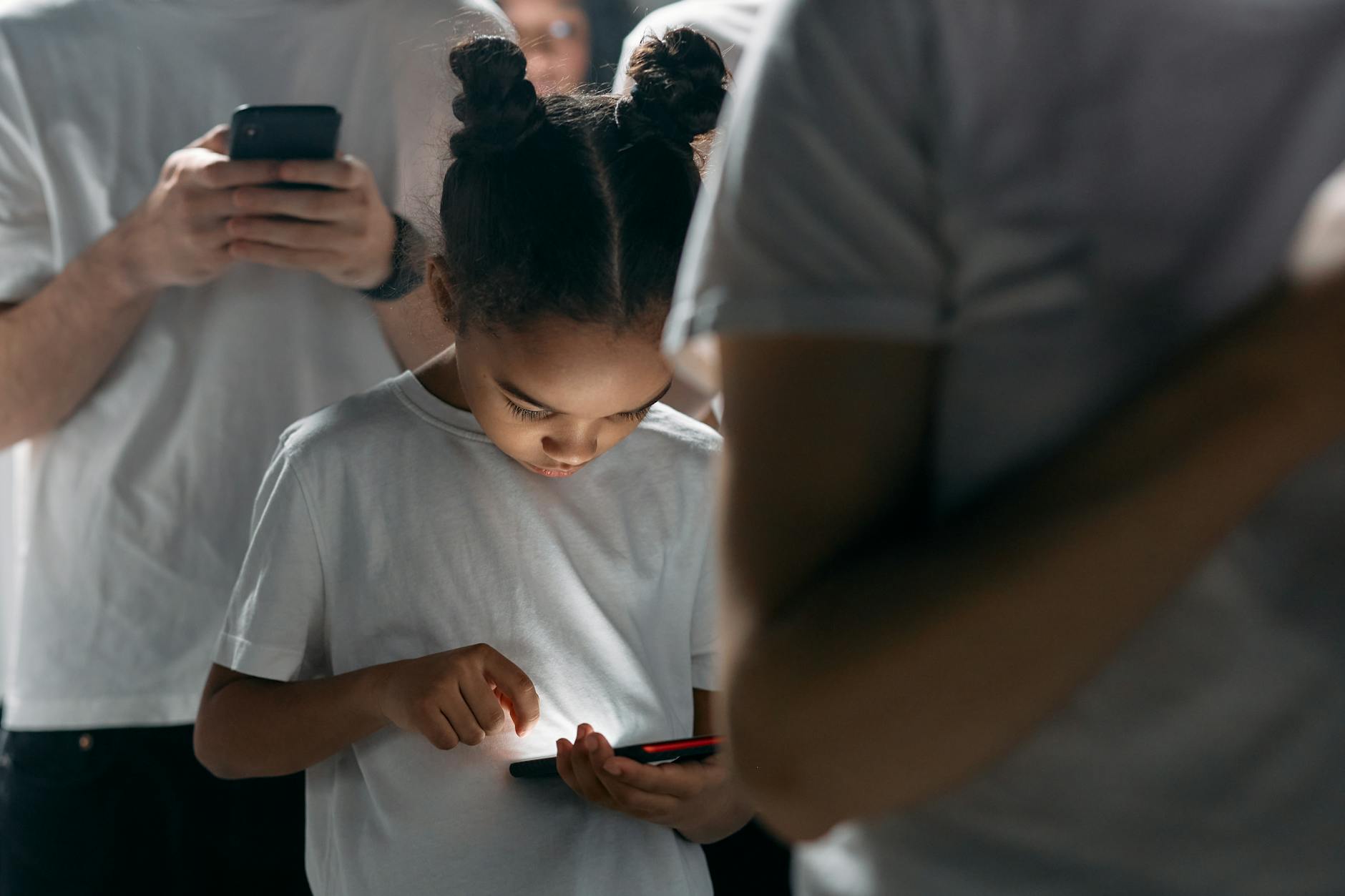
The jury in the landmark Los Angeles social media addiction trial is still deliberating after more than a week, struggling to reach a unanimous verdict in a case brought by K.G.M., a 20-year-old from Chico, California, against Meta and YouTube. As of Tuesday, March 25, 2026, jurors have been deliberating for over eight days on claims that these companies deliberately engineered addictive features to harm young people’s mental health, with Judge Carolyn B. Kuhl indicating that a mistrial and retrial could occur if the jury cannot reach a decision. Meanwhile, a separate trial in New Mexico reached a verdict just yesterday: a jury found Meta liable on all counts for unfair, deceptive, and unconscionable trade practices related to child safety and sexual exploitation, resulting in a $375 million judgment—the first jury verdict of its kind against the social media giant.
These back-to-back developments mark a turning point in social media litigation. The Los Angeles case centers on “engineered addiction”—the idea that Meta and YouTube deliberately designed features to maximize user engagement and data collection at the expense of teenage mental health. The stakes extend far beyond K.G.M.’s individual case: over 2,000 additional lawsuits against these companies are pending nationwide, and the outcome in Los Angeles could influence how courts view social media companies’ liability for addiction-related harms for years to come.
Table of Contents
- What Is the Los Angeles Trial About, and Why Is It Taking So Long?
- The New Mexico Verdict—What Does It Mean That Meta Lost?
- Why Are These Two Trials Such a Big Deal for Social Media Accountability?
- What Happens If the Los Angeles Jury Stays Deadlocked?
- What Does the $375 Million New Mexico Judgment Actually Cover?
- How Do Plaintiffs Prove “Engineered Addiction,” and What’s the Legal Standard?
- What Comes Next in These Cases and the Broader Litigation Landscape?
What Is the Los Angeles Trial About, and Why Is It Taking So Long?
The Los Angeles case, heard before Judge Carolyn B. Kuhl in Los Angeles Superior Court, began jury deliberations on March 13, 2026. K.G.M. claims that meta‘s Instagram and YouTube’s design features—infinite scroll, algorithmic feeds, push notifications, and engagement metrics—were intentionally engineered to be addictive, causing her documented mental health problems including anxiety, depression, and sleep disruption. She is not suing for a single incident but for the cumulative harm of using these platforms as they were deliberately designed.
The defendants, Meta and YouTube, maintain that their features serve legitimate purposes and that any mental health issues stem from individual choices about how users engage with the platform, not from engineering negligence. After eight days of deliberation, NBC Los Angeles reported that jurors signaled difficulty reaching a unanimous verdict on at least one defendant. this is not unusual in complex civil cases involving multiple defendants with different liability positions and multiple claims. Judge Kuhl has indicated that if the jury remains deadlocked, she may declare a mistrial on some or all counts, requiring the case to be retried with a new jury. This prospect matters because retrials are expensive, time-consuming, and create uncertainty for both sides—plaintiffs might win less or lose entirely, while defendants face the burden of defending the case again. Some observers have speculated that jurors may be closely divided on whether the evidence proves “engineering” versus “features that happen to be engaging.”.

The New Mexico Verdict—What Does It Mean That Meta Lost?
Just yesterday, on March 24, 2026, a different jury in New Mexico reached a unanimous verdict after nearly seven weeks of trial: Meta was found liable on all counts for violating New Mexico’s Unfair Practices Act and Unconscionable Conduct Act. The jury ordered Meta to pay $375 million in damages. This verdict is historically significant because it is the first jury trial verdict in the United states holding Meta financially liable for systematic harm related to child safety and mental health—prior cases were either settled out of court or decided by judges in ruling on motions, not by juries hearing full evidence. The New Mexico trial focused on similar issues as the Los Angeles case but with an emphasis on child safety and sexual exploitation.
The jury found that Meta knowingly failed to protect children from predators and other harms, misled parents and users about platform dangers, and engaged in deceptive practices to maximize user engagement. Meta has already announced it will appeal the verdict, which means the case will move to the New Mexico Court of Appeals. However, if the verdict holds on appeal, it establishes precedent and proof-of-concept that juries are willing to hold social media companies accountable. One limitation to note: the New Mexico trial focused on state consumer protection law, not federal claims, which means similar verdicts in other states would depend on those states’ own consumer protection statutes. A national judgment or settlement would be far larger and more consequential, but state-by-state litigation is slower and creates varying standards.
Why Are These Two Trials Such a Big Deal for Social Media Accountability?
For the past decade, social media companies have operated largely insulated from individual consumer lawsuits because Section 230 of the Communications Decency Act protected them from liability for user-generated content. However, these cases sidestep that shield by arguing that the companies’ own design choices—not user posts—caused harm. The Los Angeles and New Mexico cases are part of the first sustained wave of “design-based” litigation against Meta and YouTube, where plaintiffs argue the companies are responsible not for what users post but for how the platforms’ algorithms and features were engineered to maximize engagement and data harvesting. The significance extends to the broader social media industry.
If juries in California and New Mexico are willing to find social media companies liable for addiction and child safety harms, it signals that courts may be shifting away from immunity and toward accountability. Apple and other tech companies are watching closely because if social media design is found to be tortious (legally wrongful), other tech companies could face similar lawsuits. However, there’s an important caveat: these two trials involve different claims (addiction in LA, child safety in NM) and different legal frameworks. A loss in one case does not automatically predict a loss in another. The Los Angeles jury’s apparent difficulty reaching consensus suggests the legal questions around “engineered addiction” may be less settled than questions about child safety, where the New Mexico jury moved more decisively to liability.
What Happens If the Los Angeles Jury Stays Deadlocked?
If the Los Angeles jury cannot reach a unanimous verdict despite further deliberation, Judge Kuhl will declare a mistrial. In a mistrial, the case does not end—it simply resets. K.G.M.’s attorneys would have the option to retry the case with a new jury, settle with the defendants, or dismiss. Retrying means starting from scratch: jury selection, opening statements, weeks of testimony, closing arguments, and deliberations again. For a plaintiff, this means more time (a retry could take another 2-3 months at minimum), more legal costs, and the risk that a second jury might be less sympathetic than the first one appeared to be.
For Meta and YouTube, a mistrial is costly but carries the benefit of a second chance. If the first jury was close to ruling against them, they can present a refined defense strategy based on what worked and didn’t work in the first trial. Some defendants in high-stakes cases even prefer a mistrial to a bad verdict because the mistrial preserves their ability to appeal after a retrial, while a verdict that comes down—even if appealed—immediately creates liability. Judge Kuhl’s comment that a mistrial is possible suggests she is giving the jury time but not unlimited time. Typically, courts will send jurors back to deliberate once or twice with clarifying instructions, but if they remain deadlocked after that, the judge will declare a mistrial. A partial mistrial is also possible—the jury might reach a verdict on one defendant (say, Meta) but not the other (YouTube), in which case the case proceeds on partial verdicts and the other defendant gets a mistrial.
What Does the $375 Million New Mexico Judgment Actually Cover?
The $375 million judgment in the New Mexico case covers past harm to affected children, including compensatory damages for emotional distress, loss of enjoyment of life, and documented mental health injuries. The verdict also includes punitive damages—amounts designed to punish Meta for what the jury found to be intentional and reckless conduct, not just negligent design. Punitive damages are typically awarded when a defendant’s conduct is not merely careless but consciously harmful. The jury’s decision to award punitives suggests they believed Meta knowingly created unsafe conditions for children and failed to act. One important limitation: this judgment applies to New Mexico residents only (or residents at the time of harm), not nationwide.
Plaintiffs in other states cannot claim the New Mexico verdict as a finding of fact against Meta, though they can use it as evidence that juries find Meta liable. Additionally, $375 million is large but not company-breaking for Meta, which earned over $116 billion in revenue in 2025. A settlement or jury verdict involving the 2,000+ pending cases nationwide could result in far larger damages. Meta’s appeal of this verdict is likely to focus on whether the damages award is proportional to harm, whether the punitive portion is excessive, or whether the state law itself is compatible with First Amendment or interstate commerce considerations. Until the appeal is resolved, the $375 million judgment is not yet final.
How Do Plaintiffs Prove “Engineered Addiction,” and What’s the Legal Standard?
In the Los Angeles trial, K.G.M.’s legal team argued that Meta and YouTube deliberately designed features to be habit-forming: infinite scroll keeps users swiping without natural stopping points; algorithmic feeds serve addictive content rather than chronological posts; notifications trigger FOMO (fear of missing out); like counts and comment metrics activate reward pathways in the brain. The plaintiffs presented expert witnesses—psychologists, behavioral engineers, and former Meta/YouTube employees—to establish that these features were knowingly designed to maximize engagement, not in service of a legitimate product purpose. The legal challenge is proving that “engaging” equals “harmful addiction.” YouTube and Meta argue that engagement metrics are standard in the tech industry and that making a product engaging is not inherently tortious.
Where does the line fall between “well-designed product” and “negligently addictive design”? The Los Angeles jury’s deliberation difficulty may reflect this ambiguity. The New Mexico case sidestepped this question by focusing on child safety and deception—claiming Meta failed to disclose known risks and failed to protect minors from predators—rather than relying solely on the “addiction engineering” theory. The legal distinction matters: proving a company failed to disclose known risks is often easier than proving a company deliberately engineered a specific psychological outcome. This is why the New Mexico verdict may be more legally strong on appeal than an LA verdict on engineered addiction would be.
What Comes Next in These Cases and the Broader Litigation Landscape?
The Los Angeles jury will continue deliberating. If they reach a verdict, one of three outcomes is likely: a verdict for K.G.M. awarding damages, a verdict for Meta and YouTube finding them not liable, or a split verdict where K.G.M. wins against one defendant but not the other. Once a verdict is reached, the losing side will appeal, and the case will move to the California Court of Appeal, where judges will review whether the trial was conducted fairly and whether the legal standards were correct. Appeals can take 1-2 years.
The broader landscape includes 2,000+ pending lawsuits against Meta and YouTube for similar claims. These cases are being coordinated in some jurisdictions, meaning they may eventually be consolidated into a class action settlement or managed with coordinated trial schedules. The outcome in Los Angeles and the New Mexico verdict will shape settlement negotiations—if the cases are trending toward plaintiff victories, Meta and YouTube may be incentivized to settle remaining cases rather than face a barrage of jury trials. Conversely, if the LA jury comes back with a defense verdict, remaining plaintiffs may struggle to find attorneys willing to continue cases on contingency. The stakes extend to TikTok, Snapchat, and other platforms, which are also facing similar addiction-related lawsuits. The first clear jury verdict on “engineered addiction”—whether for plaintiffs or defendants—will likely trigger a wave of follow-on litigation.
You Might Also Like
- Social Media Addiction Case Update as Jury Fails to Reach Immediate Verdict
- Jury Still Deliberating in Case Alleging Social Media Harm to Teens
- Jury Still Deciding in Case Against Meta Over Teen Mental Health
Open Settlements You Can Claim Now
Browse current class action settlements accepting claims — several require no proof of purchase: