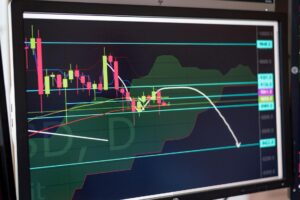

As of March 2026, no finalized settlement has been publicly announced for the E*TRADE trading outage lawsuit. The case, which stems from a catastrophic technical failure during the April 2020 crude oil futures market crash, remains in active litigation without a disclosed resolution.
What makes this case significant is that it represents one of the most visible instances of a major trading platform’s systems failing during an extreme market event—leaving traders unable to execute orders or even view accurate prices when they needed the platform most. While many investors experienced trading disruptions that day, understanding the specifics of this case and its current standing can help you determine whether you might be eligible for compensation and how to stay informed as the litigation progresses.
Table of Contents
- What Happened During the April 20, 2020 Oil Futures Outage?
- The Lawsuit Against E*TRADE and Its Legal Claims
- Current Status—Why the Case Remains Unresolved After Six Years
- What Might Affected Users Be Entitled To If the Case Succeeds?
- Why These Platform Outage Cases Are Difficult to Resolve
- How to Determine if You Were Affected and How to Stay Informed
- What This Case Reveals About Trading Platform Reliability
What Happened During the April 20, 2020 Oil Futures Outage?
On April 20, 2020, crude oil futures contracts experienced an unprecedented collapse. For the first time in recorded history, the front-month West Texas Intermediate crude oil contract plunged into negative territory—closing at negative $37.63 per barrel. This meant sellers were paying buyers to take the oil off their hands, reflecting the reality that storage was full and demand had evaporated during pandemic lockdowns. E*TRADE’s platform buckled under the chaos.
Instead of handling the extreme market conditions gracefully, the platform failed in multiple critical ways. Customers saw wildly inaccurate prices displayed on their screens, the system locked users out of trades, and most troublingly, bid-ask spreads simply disappeared—leaving traders unable to close positions even if they wanted to. Imagine watching an investment become worthless in real-time while the platform that’s supposed to execute your exit orders goes silent. This wasn’t a minor glitch affecting a handful of users; the outage impacted day traders who had significant exposure to oil futures contracts and faced cascading losses as the market moved against them without any ability to respond.

The Lawsuit Against E*TRADE and Its Legal Claims
In August 2020, less than four months after the outage, a class action lawsuit was filed against E*TRADE Securities LLC on behalf of traders Benjamin Whitesides, Aziz Si Hadj Mohand, and Matthew Cheung. The complaint, supported by law firms including Wolf Popper LLP and Kabateck LLP, advanced multiple legal theories: breach of contract, breach of the duty of good faith and fair dealing, negligence, gross negligence, and unlawful competition. The core argument in the lawsuit centers on E*TRADE’s fundamental obligation to maintain functioning systems capable of handling market stress.
When a trading platform offers to accept customer orders and takes commissions for that service, there’s an implied contract that the platform will operate reliably during normal market hours—and especially during volatile conditions when traders most need to adjust their positions. The plaintiffs argued that E*TRADE not only failed to perform this core function but also compounded the problem by displaying false information and preventing users from taking any action. However, by October 2020, E*TRADE responded by filing a motion to dismiss the case, attempting to get the lawsuit thrown out before it advanced to the discovery phase where internal documents and communications could be obtained.
Current Status—Why the Case Remains Unresolved After Six Years
As of early 2026, this case is still in active litigation without any publicly disclosed settlement. This extended timeline might seem surprising given that the incident occurred nearly six years ago, but class action cases involving financial institutions are often slow-moving. E*TRADE’s motion to dismiss likely extended the timeline significantly, and if the court rejected that motion, the case would have moved into the discovery phase where both sides exchange documents, conduct depositions, and build their evidence. Discovery in securities litigation can take years.
The lack of a public settlement announcement doesn’t mean nothing is happening behind the scenes. Settlement negotiations in large financial services cases often occur quietly, and sometimes agreements are reached under confidentiality provisions that prevent either side from disclosing terms. However, if no settlement has been reached yet, the case could be heading toward summary judgment motions, trial preparation, or potentially trial itself. For affected users, this prolonged status means you should not assume the case is dormant or abandoned—it’s simply not at a stage where a public announcement would be made.

What Might Affected Users Be Entitled To If the Case Succeeds?
If traders successfully prove that E*TRADE breached its contract and obligations during the April 2020 outage, potential compensation could include actual losses suffered due to the platform’s failure. This might involve losses from trades that couldn’t be executed, losses from the inaccurate pricing information displayed, or broader damages if E*TRADE’s conduct is deemed grossly negligent or unlawful. The challenge in cases like this is proving causation—establishing that your specific loss was directly caused by E*TRADE’s failure rather than by the underlying market move itself.
For example, a trader who bought oil futures contracts and wanted to sell them as the price collapsed would have a stronger claim if they could demonstrate that the platform’s failure to show accurate bids prevented them from executing a sale at a specific price, versus a trader whose loss resulted purely from holding the position through the negative prices regardless of whether they could have sold. This distinction matters significantly in how damages might be calculated. Additionally, any eventual settlement would need to account for the fact that day traders operate in a high-risk environment, and courts might apply a higher bar for proving that platform failure—rather than market conditions—caused the loss.
Why These Platform Outage Cases Are Difficult to Resolve
Trading platform outage litigation presents unique challenges that often extend timelines and complicate settlements. First, the causation problem is substantial: even with a non-functioning platform, the underlying market moved against traders anyway, so separating the damage caused by the outage from damage caused by the market move itself requires detailed expert analysis. Second, there’s often a question of whether traders actually relied on the platform’s specific representations or whether they should have known to exit positions through alternative methods, such as calling the broker directly.
Additionally, the financial industry includes arbitration clauses in many customer agreements that might have applied to some or all class members, which could fragment the case or limit who can participate in the class action. E*TRADE’s motion to dismiss in October 2020 suggests they raised these kinds of technical defenses, and courts often take time to rule on whether those arguments eliminate the case entirely. If the motion was denied, the case proceeded; if it was partially granted, the case was narrowed.
How to Determine if You Were Affected and How to Stay Informed
If you held oil futures positions on E*TRADE on April 20, 2020, and experienced a loss, you were likely affected. However, being affected doesn’t automatically mean you’re eligible to join the class action. Typically, the terms of the class action define membership—for instance, it might include anyone with oil futures orders that day, or it might be more narrowly defined to exclude certain types of accounts or traders. Court documents and class notice information, if publicly available, would specify who qualifies.
To stay informed about this case, search for updates from Wolf Popper LLP and Kabateck LLP, the law firms handling the litigation, or check the case docket directly in federal court records. If you filed a claim or joined the class action when the case was initially publicized, you should have contact information from the lawyers. If you suspect you were affected but never heard from them, you can reach out to these firms directly. Be cautious about third-party websites claiming to represent this case or charging upfront fees to help you file—legitimate class action settlements never charge plaintiffs upfront.
What This Case Reveals About Trading Platform Reliability
The E*TRADE outage case represents a broader issue in the financial services industry: as trading becomes increasingly electronic and instantaneous, the reliability requirements grow more stringent, but the stress-testing of platforms doesn’t always account for truly extreme scenarios like negative oil prices. Before April 2020, most risk models assumed oil couldn’t go below zero, so systems weren’t designed to handle negative pricing feeds, margin calculations, or display systems. This case may establish important precedent about what obligations platforms have to test their systems against historically unprecedented scenarios.
The case also highlights why regulatory agencies and the SEC eventually increased their oversight of trading platforms following this incident. If the E*TRADE lawsuit succeeds, it could strengthen arguments that platforms must build in redundancy, failover systems, and clear communication protocols for extreme market dislocations—not as a legal courtesy, but as a contractual and fiduciary requirement. For traders using platforms today, this case underscores the importance of understanding the limits and potential failures of even major, well-established trading firms.