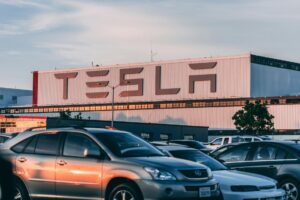

The Tesla Full Self-Driving lawsuit settlement has not yet been finalized as of March 2026, so there is currently no settlement amount or claim process in place. However, a federal judge certified the class action in August 2025, which means the lawsuit can proceed and a settlement is anticipated. If and when Tesla settles this case, California residents who purchased or leased a Tesla and paid separately for the Full Self-Driving package between May 19, 2017 and July 31, 2024 would likely be eligible to recover compensation—potentially the full amount they paid for FSD, according to the court-approved legal theory.
This article explains who qualifies, what the lawsuit is about, and what happens next as the case moves toward trial or settlement negotiations. The Full Self-Driving class action represents one of the largest consumer disputes against Tesla, challenging whether the company’s marketing claims about “Full Self-Driving” capabilities were accurate and whether customers paid for features that either didn’t work as promised or that Tesla couldn’t legally deploy on public roads. The stakes are significant: if the case results in a settlement, thousands of Tesla owners could receive compensation. Understanding the current status and eligibility requirements is important for anyone who purchased FSD and wants to know if they have a claim in this lawsuit.
Table of Contents
- What Is the Tesla Full Self-Driving Class Action Lawsuit?
- Who Qualifies for the Tesla Full Self-Driving Class Action?
- What Damages Could Look Like: The Full Refund Theory
- Current Status and Timeline: Where Is the Case Now?
- Related Legal Developments That Strengthen the FSD Lawsuit
- How Class Action Settlements Typically Work and What to Expect
- What Happens Next and Why the Case Matters
What Is the Tesla Full Self-Driving Class Action Lawsuit?
The lawsuit alleges that Tesla misled consumers about the capabilities and timeline of its Full Self-driving feature. Tesla marketed FSD as a near-complete autonomous driving system that would eventually operate without any human intervention, yet as of 2026, the technology still requires active driver attention and remains in a limited beta phase. Customers paid between $8,000 and $15,000 for FSD—a significant premium to the base vehicle cost—based on these marketing claims. The class action contends that these representations were false and that Tesla engaged in unfair business practices by charging for a product that did not deliver what was promised.
The lawsuit received a major boost in August 2025 when a federal judge certified it as a class action, meaning it could proceed on behalf of thousands of affected consumers rather than as individual claims. Certification is a critical milestone because it signals the court found the claims have merit and that common issues affect a large group of similarly situated people. Without certification, individual customers would have had to file their own separate lawsuits or arbitration claims, which is why this development was significant for FSD owners. The case is still progressing—trial is anticipated in 2026—and no final settlement has been reached yet.
Who Qualifies for the Tesla Full Self-Driving Class Action?
The class action lawsuit has two distinct groups of eligible people, divided by when they purchased FSD. The primary class includes California residents who purchased or leased a Tesla and paid separately for the Full Self-Driving package between May 19, 2017 and July 31, 2024, and who opted out of arbitration. For example, if you bought a Model 3 in 2020 and paid Tesla $10,000 for the FSD subscription or one-time purchase during this window, you would be part of this primary class. However, if you purchased FSD before May 2017, you fall into the pre-arbitration class, which covers FSD purchases between October 2016 and May 2017. These two groups have slightly different legal considerations because of changes in Tesla’s arbitration agreements over time.
Geographic location matters for this lawsuit. Only California residents qualify because the litigation is based on California consumer protection laws, specifically claims about unfair and deceptive practices under state law. If you purchased a Tesla and FSD while living in another state, you would not be eligible for this particular class action, even if you now live in California. Additionally, your FSD purchase must have been made during the specified time windows—purchases after July 31, 2024 would not be included in the current class. The arbitration opt-out requirement for the primary class is also significant; if you have a signed arbitration agreement with Tesla that you did not opt out of, your eligibility could be more limited or you might fall into a different legal category.
What Damages Could Look Like: The Full Refund Theory
The lawsuit’s damages framework is one of its most compelling aspects for potential claimants. The court approved the plaintiffs’ legal argument that customers should be able to recover the full amount they paid for the FSD package, rather than a reduced amount based on how much value they supposedly got before the lawsuit was filed. For a customer who paid $12,000 for FSD, this means the recovery theory allows them to seek the full $12,000, not just a percentage of it. This is significant because it recognizes that the entire product was sold based on false or misleading claims, not that it partially worked and partially failed.
However, it’s crucial to understand that the court has approved this damages theory, but no specific settlement amount has been determined yet. The actual recovery would depend on how the case concludes—whether through a negotiated settlement or a jury verdict after trial. If Tesla settles, the company would likely negotiate a payment amount, which might be less than the full refund amount sought by plaintiffs. For instance, settlements often involve a percentage recovery or a tiered system where different customer groups receive different amounts based on when they purchased or how they paid for FSD. Until a settlement is finalized, no one can predict exactly what compensation amount will be available or how it will be distributed among class members.
Current Status and Timeline: Where Is the Case Now?
As of February 2026, the lawsuit is in active litigation with several ongoing developments. Tesla filed a petition to appeal the class certification decision, which means the company is challenging the court’s August 2025 ruling that allowed the case to proceed as a class action. The appeal briefing schedule extends into spring 2026, with Tesla’s opening brief due in March 2026. This appeal could delay the case, but it does not automatically overturn the class certification—appeals are often unsuccessful.
Meanwhile, a mediation questionnaire was filed in December 2025, suggesting that the parties may be exploring settlement discussions even while the appeal is pending. Trial in the FSD lawsuit is anticipated in 2026, though the exact trial date depends on how quickly the appeal issues are resolved and whether settlement negotiations succeed. This means claimants could see a resolution within the next year to eighteen months, but there is no guarantee. The case is active and moving through the courts, but potential class members should not expect an immediate settlement announcement. For now, your role as a potential claimant is to note the important dates—the FSD purchase window of May 19, 2017 to July 31, 2024 for the primary class—and keep track of developments as the case progresses toward trial or settlement.
Related Legal Developments That Strengthen the FSD Lawsuit
Two significant legal developments in early 2026 reinforce the claims being made in the Full Self-Driving class action. In February 2026, the California Department of Motor Vehicles ruled that Tesla engaged in false advertising through its use of the terms “Autopilot” and “Full Self-Driving,” determining that these names misrepresent the actual capabilities of the technology. Tesla has responded by suing the California DMV to reverse this ruling, but the DMV’s formal finding supports the core argument of the class action: that Tesla’s marketing language was misleading to consumers. This DMV action provides independent government confirmation of what the lawsuit alleges.
Additionally, a related Autopilot safety verdict was upheld in February 2026 when a court affirmed a $243 million judgment against Tesla in a fatal 2019 Autopilot crash case. While this case involves a different feature and a different legal theory, it reinforces broader questions about Tesla’s autonomous driving technology and the company’s representations about safety and capability. The verdict demonstrates that courts are willing to hold Tesla accountable for problems with its autonomous driving systems. However, the Autopilot verdict and the DMV ruling, while related, do not directly determine the outcome of the FSD class action—they are separate legal proceedings. Still, they create a legal environment where courts and regulators are scrutinizing Tesla’s autonomous driving claims more carefully than before.
How Class Action Settlements Typically Work and What to Expect
Understanding how class actions work will help you know what to expect if the Tesla FSD lawsuit results in a settlement. Once a settlement is reached, the court must approve it, and then a claims administrator is appointed to handle the distribution process. Class members typically receive a notice explaining the settlement terms, the amount they can claim, and instructions on how to file a claim. You would need to submit proof of your FSD purchase—such as a Tesla account confirmation, credit card statement, or purchase documentation—to qualify for your share of the settlement.
Settlement distributions can take several months to over a year to complete, depending on the complexity of the case and the number of claims filed. Claimants who submit valid claims receive compensation, either as a direct payment to a bank account or by check. It’s common for settlement websites to be created where claimants can check their eligibility, upload documents, and track the status of their claim. Once you receive notice of a settlement, you should act within the claim deadline—missing the deadline typically means forfeiting your right to compensation. If you believe you qualify for the FSD class action, keeping documentation of your purchase readily available now will save time if and when a settlement is announced.
What Happens Next and Why the Case Matters
The Tesla Full Self-Driving lawsuit is one of the most significant consumer protection cases involving electric vehicle technology and represents growing skepticism about autonomous driving claims. As major automakers compete to develop and market self-driving capabilities, regulators and courts are increasingly scrutinizing whether the technology is real or overstated. The FSD case will help establish precedent for how companies can market autonomous features and what happens when those marketing claims are challenged. A successful settlement or verdict for plaintiffs could influence how Tesla and other manufacturers market similar technology in the future.
For consumers who purchased FSD, the case offers potential financial recovery but also serves as a reminder to carefully evaluate marketing claims made by technology companies. The lawsuit demonstrates that even a company as prominent as Tesla can face significant legal liability for misrepresenting product capabilities. Whether the case concludes through trial or settlement in 2026 or 2027, staying informed about its progress is important if you believe you have a claim. Check back for settlement announcements and claim deadlines, and remember that a settlement website will provide detailed instructions on how to file your claim if one is reached.
You Might Also Like
- Waymo Self Driving Car Lawsuit Settlement Explained What Riders Could Receive
- VRBO Hidden Charges Lawsuit Settlement Explained Who Qualifies
- Spirit Airlines Hidden Fees Lawsuit Settlement Explained Who Qualifies
Open Settlements You Can Claim Now
Browse current class action settlements accepting claims — several require no proof of purchase: