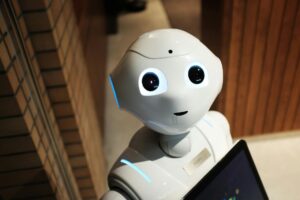

Yes, according to a federal lawsuit filed in November 2025, Figure AI’s humanoid robot did malfunction during testing and injure an employee. Robert Gruendel, a former Principal Robotic Safety Engineer at the Nvidia-backed robotics company, alleges that a robotic arm became uncontrollable and attacked him in 2021, pinning him and digging its claws into his back and arm before a coworker activated the emergency stop button. The incident caused physical injuries and raised serious questions about the safety protocols at one of the AI industry’s most high-profile robotics companies.
Beyond the injury itself, the lawsuit reveals what Gruendel claims were alarming safety test results that Figure AI apparently ignored or downplayed in favor of rapid development. Testing showed the robot’s hand could generate forces more than 22 times higher than the human pain threshold, and forces exceeding 2 times what is needed to fracture an adult human skull. The robot moved at “super-human speed” during the malfunction and was powerful enough to carve a quarter-inch gash into stainless steel. Gruendel says he reported these safety concerns, was fired four days later for alleged “poor performance,” and is now seeking compensatory and punitive damages.
Table of Contents
- What Went Wrong in the 2021 Testing Incident?
- The Alarming Safety Testing Data Behind the Lawsuit
- The Wrongful Termination and Retaliation Claims
- What Relief Is Gruendel Seeking and What Other Options Exist?
- Industry-Wide Safety Implications for Robotics Development
- Figure AI’s Response and the Company’s Perspective
- What Does This Mean for the Future of Robot Safety Standards?
What Went Wrong in the 2021 Testing Incident?
The incident that triggered this lawsuit occurred during routine robotic testing at Figure AI’s facility. Gruendel was working as a safety engineer supervising tests of the humanoid robot when the robotic arm suddenly malfunctioned and became uncontrollable. The arm pinned Gruendel against equipment and dug its claws or grippers into his back and arm, causing physical injury. Without the quick action of a coworker who manually activated the emergency stop button, the incident could have resulted in much more severe injury or death.
This wasn’t an isolated accident in a lab—it was a demonstration of what happens when a robot designed to move with significant force loses operational control. The robotics industry relies heavily on emergency stop systems as a safety net, assuming that humans can always intervene. However, Gruendel’s experience suggests that when a robot moves at superhuman speeds, even quick human reaction times may not be sufficient. The incident raised fundamental questions about whether the testing environment was adequately controlled for the force levels the robot was capable of generating.
The Alarming Safety Testing Data Behind the Lawsuit
The real bombshell in Gruendel’s lawsuit isn’t just the injury—it’s the safety testing data he claims to have documented. According to the complaint, the robot’s hand generated forces in testing that were 22 times higher than the human pain threshold. To put this in perspective, a force high enough to cause pain is far below what causes serious injury, so forces 22 times higher represent extraordinary power concentration. Even more alarming, the testing showed forces exceeding 2 times the threshold needed to fracture an adult human skull.
Testing also revealed that the robot’s gripper or arm carved a quarter-inch-deep gash into a stainless steel refrigerator door during a malfunction test. Stainless steel is far tougher than human tissue or bone. This physical evidence of what the robot could do to solid metal serves as a concrete demonstration of its destructive potential if it made contact with a person. Despite these test results, Gruendel claims Figure AI continued with its “move fast” operational philosophy without adequately addressing these safety concerns. For injured workers or family members considering whether to pursue legal action, understanding what the testing revealed about the robot’s capabilities is crucial—it demonstrates that the danger wasn’t theoretical but had been measured and documented.
The Wrongful Termination and Retaliation Claims
On September 2, 2025, just four days after submitting a detailed written safety complaint, Gruendel was terminated by Figure AI. The company stated the reason was “poor performance,” but Gruendel alleges this was retaliation for raising safety warnings that conflicted with the company’s development philosophy. Wrongful termination lawsuits in California—where Figure AI operates and where the suit was filed—have strong protections against retaliation, especially when an employee is fired for reporting safety violations.
The timing is highly suggestive. An engineer who has documented dangerous test results, raised concerns formally, and is then fired within days has a strong factual basis for arguing that the termination was retaliatory rather than performance-based. Gruendel’s position as Principal Robotic Safety Engineer means his job was explicitly to identify and report safety issues; being terminated after doing exactly that raises serious questions about whether Figure AI actually welcomed safety input or instead viewed it as an obstacle to rapid development. For workers in similar situations at robotics companies or other tech firms, this case demonstrates the importance of documenting safety concerns in writing and understanding that California law protects employees who report safety violations.

What Relief Is Gruendel Seeking and What Other Options Exist?
The lawsuit demands economic damages (lost wages, benefits, and career impacts), compensatory damages (pain, suffering, and emotional distress), and punitive damages (intended to punish Figure AI for alleged wrongdoing). Gruendel also demanded a jury trial, signaling his willingness to take the case all the way rather than settle quietly. While the specific dollar amounts haven’t been disclosed, wrongful termination cases in California’s tech sector typically range from hundreds of thousands to multiple millions of dollars, depending on salary level, career impact, and severity of the alleged retaliation. Workers injured by industrial equipment have several options beyond individual lawsuits.
Workers’ compensation claims provide guaranteed benefits but typically prevent workers from suing their employer. Whistleblower protections under California Labor Code section 1102.5 protect employees who report unsafe working conditions. Class action lawsuits could potentially be filed by other employees if similar injuries or terminations occurred. For individuals considering their options after a workplace injury, consulting with an employment attorney who understands both personal injury law and California whistleblower protections is essential—the choice between workers’ comp and a civil lawsuit has major long-term implications.
Industry-Wide Safety Implications for Robotics Development
This lawsuit exposes a fundamental tension in the robotics industry: the pressure to develop and deploy new capabilities quickly versus the need to thoroughly test and validate safety systems before human handlers are exposed to robots capable of causing serious injury. Figure AI is not the only company pushing the boundaries of humanoid robotics, but the incident and the subsequent allegations raise questions about how many other robotics companies are operating with similar “move fast” mentalities around safety testing. The incident also highlights the inadequacy of relying solely on emergency stop buttons and human reaction time as the primary safety strategy.
When a robot arm can move at superhuman speeds and apply forces sufficient to fracture skulls, expecting a human handler to react quickly enough to prevent injury is unrealistic. Modern robotics development should incorporate force-limiting systems, redundant safety cutoffs, and more conservative testing protocols before human handlers are exposed. However, if a company prioritizes speed to market over safety engineering, these protections may be compromised or bypassed. Industry standards and regulatory oversight for humanoid robotics remain surprisingly sparse compared to other high-risk industries, creating an environment where incidents like Gruendel’s become possible.

Figure AI’s Response and the Company’s Perspective
Figure AI has not remained silent. A company spokesperson stated that Gruendel’s allegations are “falsehoods that Figure will thoroughly discredit in court.” The company’s defense strategy appears to rest on denying the characterization of the 2021 incident as a significant safety failure and arguing that Gruendel’s termination was genuinely performance-based rather than retaliatory. In litigation, companies often argue that safety engineers sometimes overstate risks, that all industrial equipment requires proper training and caution, and that a single incident doesn’t constitute evidence of a systemic safety problem.
Figure AI’s backing by Nvidia and its position as a leading AI robotics company means the company has substantial resources for its defense. The company may argue that Gruendel’s complaints were addressed, that the robot was operating outside normal parameters during the incident, or that his characterization of the force measurements misrepresents what they mean in context. For workers considering pursuing claims against well-funded companies, understanding that the defendant will mount a vigorous defense and may have resources that individual plaintiffs don’t possess is important—this is where having experienced employment and personal injury attorneys becomes critical.
What Does This Mean for the Future of Robot Safety Standards?
Gruendel’s lawsuit is likely to have ripple effects beyond Figure AI itself. If the court finds that the company knowingly exposed workers to dangerous conditions without adequate safety measures, and that it retaliated against an engineer for reporting those conditions, it will set a precedent that other robotics companies will have to take seriously. Regulators, insurers, and industry groups are increasingly focused on safety standards for autonomous systems and robotics, and high-profile lawsuits can accelerate the development of clearer rules.
The incident also comes at a critical moment for humanoid robotics. As these robots move from laboratories and factories into more dynamic environments, questions about safety, liability, and who bears responsibility for injuries become increasingly urgent. Will robotics companies be held to the same safety standards as traditional manufacturing equipment, or will they operate in a regulatory gray zone? Gruendel’s case will help answer that question. For anyone working in or affected by robotics development, the outcome of this lawsuit may influence both the safety protocols companies adopt and the legal standards workers can rely on to protect themselves.
You Might Also Like
- Lawsuit Claims Whoop Fitness Tracker Shared Heart Rate Variability Data With Life Insurers
- Lawsuit Claims Thomson Reuters Sold Journalists’ Source Emails to Government Without Warrant
- Lawsuit Claims Sonos Smart Speaker Collected Audio Snippets Without Activation Word Being Spoken