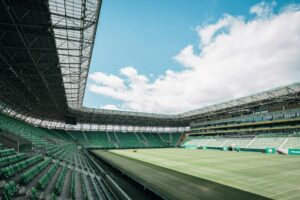

Yes, class action claims alleging labor rights violations at FIFA World Cup host cities have been filed and are advancing through courts. Most notably, over 40 Filipino migrant workers filed a federal lawsuit in Colorado in 2022 against construction firm Jacobs Solutions Inc., claiming forced labor, wage theft, passport confiscation, and dangerous working conditions during the construction of four stadiums for Qatar’s 2022 World Cup. In 2025, a U.S. federal magistrate judge ruled that the forced labor claims can proceed under the Trafficking Victims Protection Reauthorization Act, clearing the way for the case to potentially award millions of dollars to affected workers.
Beyond this landmark Colorado case, labor unions and human rights advocates have challenged FIFA’s practices at the 2026 World Cup sites in Mexico, the United States, and Canada, alleging the organization is obstructing independent worker safety inspections. The severity of these claims extends beyond individual lawsuits. A 2021 Guardian investigation documented approximately 6,500 fatalities among workers from India, Pakistan, Nepal, Bangladesh, and Sri Lanka during Qatar World Cup preparations, with causes including cardiac arrest and respiratory failure that may have been exacerbated by overwork and extreme heat exposure. While determining direct causation between World Cup construction work and all reported deaths remains complex, the scale of worker casualties underscores why these class action claims matter: they represent attempts to hold organizations accountable for conditions that may cost workers their lives.
Table of Contents
- What Specific Labor Rights Violations Are Stadium Workers Claiming?
- How Serious Are the Documented Worker Fatalities and Injuries?
- What Legal Progress Has Been Made in the Qatar Stadium Worker Lawsuits?
- What Labor Violations Are Being Alleged at the 2026 World Cup Sites?
- What Human Rights Safeguards Has FIFA Committed to for Future World Cups?
- What Legal Options Do Injured Workers Have?
- What Does This Mean for Future World Cups?
What Specific Labor Rights Violations Are Stadium Workers Claiming?
The Colorado lawsuit against Jacobs Solutions Inc. alleges multiple forms of labor abuse documented in worker testimony and internal company communications. The 40+ Filipino plaintiffs claim they were misrepresented regarding job terms before recruitment, forced to sign predatory contracts they could not read in their native language, had their passports confiscated upon arrival in Qatar (making it impossible to leave), and were required to work shifts lasting up to 72 consecutive hours in extreme heat without adequate food, water, or rest. Workers allege they received no overtime pay despite working far beyond standard 40-hour weeks, and that Jacobs Solutions Inc. threatened deportation if they complained or attempted to leave.
The company allegedly housed workers in crowded, unsanitary accommodations far from job sites, compounding fatigue and heat exposure. These allegations fit the legal definition of forced labor under federal trafficking law: coercion through threats, document confiscation, and debt manipulation that prevent workers from leaving. A critical limitation to understand is that the Colorado case targets only one U.S.-based subcontractor; FIFA, the Qatari government, and many other construction firms involved in World Cup stadium projects remain outside this particular lawsuit. However, if other workers affected by similar practices file separate claims or opt into this class, the legal findings could provide a roadmap for establishing liability across multiple defendants and contractors. Documentation of wage theft proves particularly important in these cases because company records often exist to support or refute worker claims. The plaintiffs’ attorneys reportedly obtained Jacobs Solutions payroll records showing systematic underpayment relative to work hours performed, strengthening the case that this was not a misunderstanding but a deliberate scheme.

How Serious Are the Documented Worker Fatalities and Injuries?
The 2021 Guardian investigation, based on government data from workers’ home countries, identified approximately 6,500 deaths among migrant workers from five South Asian nations during the seven-year period of Qatar World Cup preparations (roughly 2014-2021). The reported causes included cardiac arrest, respiratory failure, acute myocardial infarction, and sudden death—conditions that can be triggered or worsened by extreme heat exposure, overwork, inadequate nutrition, and lack of medical care. While not every death was directly caused by World Cup construction (some workers were employed in other sectors), the scale and pattern suggest that hazardous working conditions contributed significantly to this mortality rate. A critical distinction: the Guardian investigation did not claim FIFA directly caused all 6,500 deaths, but rather documented that workers on World Cup-related projects, and in Qatar more broadly, died at rates far higher than typical for their age groups and home countries. This creates a chain of accountability—FIFA, as the organization that set standards for Qatar’s World Cup, bears responsibility for conditions it knew or should have known about.
However, the decentralized nature of World Cup construction means that individual contractors, local labor brokers, and Qatari employers also bear direct responsibility. In practice, this means workers injured or harmed must sometimes file claims against multiple defendants across different jurisdictions to recover full compensation. The heat itself presents a documented occupational hazard. Qatar in summer reaches temperatures exceeding 50°C (122°F), and outdoor construction work in such conditions requires strict safety protocols—mandatory shade breaks, cooling stations, hydration, and work hour limits. Workers alleging forced labor claim these protections were not provided or were ignored, turning summer construction shifts into life-threatening situations.
What Legal Progress Has Been Made in the Qatar Stadium Worker Lawsuits?
The Colorado case represents a significant legal milestone. In 2025, a federal magistrate judge ruled that the forced labor claims under the Trafficking Victims Protection Reauthorization Act (TVPRA) could proceed to trial or settlement negotiations. This is not a final judgment—it means the case survived the defendant’s motion to dismiss and has sufficient legal merit to continue. The TVPRA allows trafficking victims to sue traffickers in federal court and recover compensatory damages, punitive damages, and attorney’s fees, potentially reaching millions of dollars depending on the number of claimants and severity of harms documented. This ruling is significant because it establishes a legal framework: if migrant workers can prove that an employer (in this case, a World Cup stadium contractor) used fraud, coercion, or debt bondage to force them to work, they can seek damages under federal trafficking law.
Other workers or contractors who experienced similar abuse could potentially file their own TVPRA claims or join this class action, expanding the potential recovery pool. One limitation to note: TVPRA claims require proof of intentional coercion; if workers cannot demonstrate that the contractor knowingly deceived them or deliberately confiscated documents, the claim may fail. However, testimony from multiple workers following similar patterns of abuse (passport confiscation, wage theft, threats of deportation) creates circumstantial evidence of intentional practice rather than individual mistakes. As of early 2026, no settlement has been announced in this case, meaning litigation continues. Workers and their attorneys are likely seeking discovery of company documents, witness depositions, and expert testimony on heat-stress injuries and forced labor practices.
What Labor Violations Are Being Alleged at the 2026 World Cup Sites?
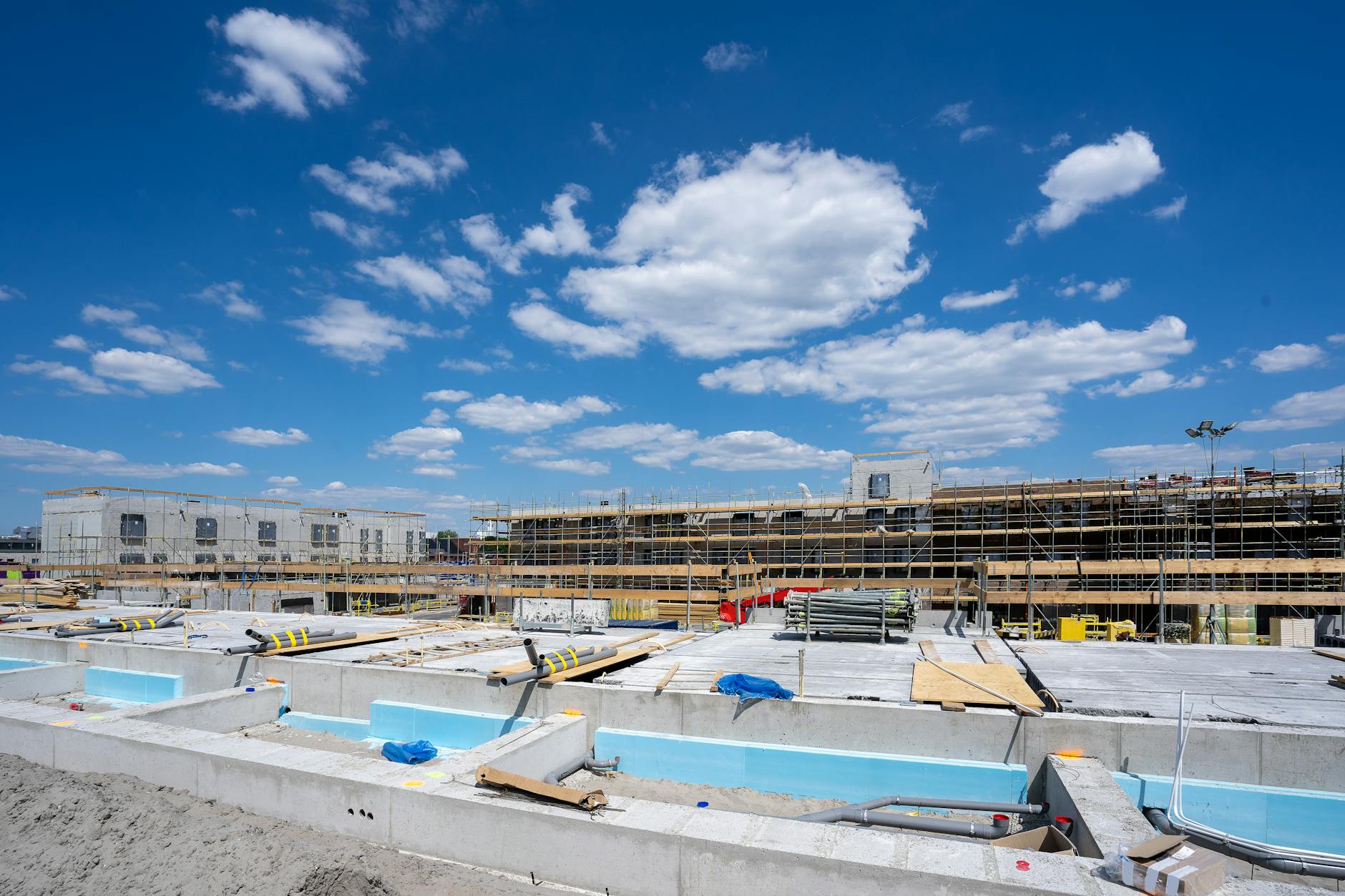
The 2026 World Cup, hosted across Mexico, the United States, and Canada, is already facing labor rights scrutiny. In March 2025, the Building and Wood Workers’ International (BWI) union publicly accused FIFA of blocking independent labor inspections at Mexico City’s Estadio Azteca, which is undergoing a $1 billion renovation project with approximately 1,000 workers on-site. According to BWI, FIFA negotiated a “joint inspections” agreement that would allow independent monitoring of worker conditions across all 16 host cities in the three nations, then revoked access and cancelled the inspection visit scheduled for Azteca. FIFA’s stated position is that it cannot authorize external inspections of private construction projects without contractor and project owner consent. However, BWI and allied labor organizations argue that FIFA, as the body that controls World Cup hosting rights and conditions, has use to insist on transparent labor monitoring.
If FIFA requires contractors to accept independent inspections as a condition of World Cup work, credible oversight becomes possible. The comparison is instructive: Qatar 2022 had minimal independent labor monitoring, contributing to the scale of abuses later documented. For 2026, international labor unions are demanding that host cities implement transparent inspection regimes before construction intensifies, preventing a repeat of Qatar’s pattern. Importantly, construction at Estadio Azteca involves both World Cup stadium work and regular stadium operations, making it more difficult to isolate which workers fall under FIFA’s human rights commitments and which do not. However, if FIFA revokes access to inspect World Cup-specific renovation work, workers in that area cannot receive the protection FIFA has promised.
What Human Rights Safeguards Has FIFA Committed to for Future World Cups?
Following international pressure after Qatar, FIFA adopted a human rights framework for the 2026 World Cup that requires each of the 16 host cities to develop and implement “human rights action plans.” These plans must address worker rights (including fair wages, working hours, and safety), discrimination and harassment prevention, child protection, and human trafficking prevention. On paper, this represents significant progress—FIFA is explicitly requiring host governments and organizing committees to acknowledge labor and human rights obligations. However, a critical limitation exists between commitment and enforcement. FIFA has not published independent monitoring mechanisms, penalty structures for non-compliance, or timelines for remediation if violations occur. When BWI discovered that FIFA had revoked labor inspection access at Azteca, it revealed that FIFA’s human rights framework may be aspirational rather than enforceable.
A worker injured at a 2026 World Cup stadium site would need to file claims under Mexican, U.S., or Canadian labor law rather than against FIFA directly—a fragmented approach that makes class actions harder to organize and settlements harder to coordinate. Additionally, FIFA’s action plans are subject to approval by host governments; if a government prioritizes development speed over worker protections (as Qatar did), FIFA’s framework may prove toothless. The comparison to independent international standards is illuminating: the International Labour Organization has established conventions on safe working conditions and forced labor that are legally binding on nations that ratify them. However, FIFA is a sports organization, not a government, and relies on persuasion and contractual use rather than law enforcement power. This means FIFA’s human rights framework succeeds only if FIFA actually enforces it—which the 2026 inspection obstruction suggests it may not prioritize.
What Legal Options Do Injured Workers Have?
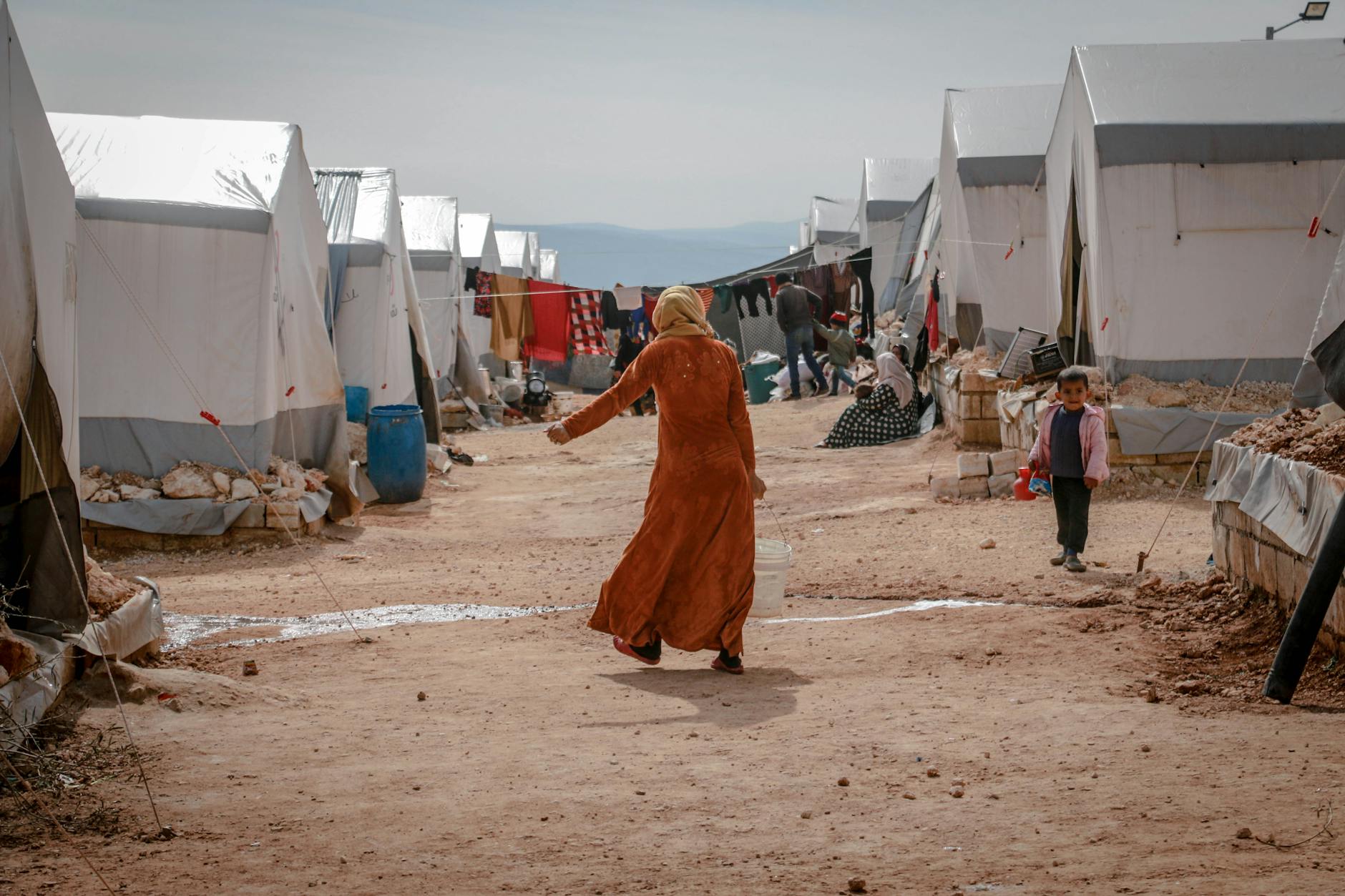
A worker injured at a World Cup stadium site can pursue several legal remedies depending on the jurisdiction and circumstances. In the United States (for 2026 host cities), an injured worker could file a personal injury lawsuit in state or federal court, a workers’ compensation claim, or join a class action if multiple workers suffered similar harms from the same contractor. The Colorado case demonstrates that federal courts can hear forced labor claims under the TVPRA, which can award damages beyond what state workers’ compensation provides. In Mexico and Canada, labor law varies, but similar pathways exist through national labor courts and human rights commissions.
The practical challenge is that workers often lack resources to hire attorneys, navigate foreign legal systems, or remain in the country long enough to pursue claims. International labor unions and legal aid organizations sometimes sponsor class actions or coordinate cross-border claims, but coverage remains limited. A comparison: workers injured in the United States can typically access workers’ compensation automatically (no lawsuit required), while migrant workers in other countries may have no such coverage if their employment was informal or fraudulent. This disparity means workers on the most dangerous, least protected jobs—often migrant laborers—face the highest barriers to recovery.
What Does This Mean for Future World Cups?
The Colorado lawsuit and the 2026 inspection dispute signal that FIFA’s model of World Cup hosting is under scrutiny and may face increased regulatory oversight. As worker abuses at Qatar become more publicly known, future host countries face pressure to implement stricter labor standards or risk international condemnation and legal liability. However, FIFA’s unwillingness to enforce its own human rights framework at Azteca suggests that the organization’s primary incentive is completing the tournament on schedule, not worker protection.
The pattern across multiple World Cups indicates a structural problem: FIFA sells hosting rights to countries and cities with weak labor enforcement, creating profit opportunities for contractors but hazardous conditions for workers. Absent binding international labor standards for World Cup projects, workers in lower-income host countries will likely continue facing exploitation. Future World Cups in Europe or higher-income countries may see stronger protections simply because national labor law is stricter and more enforced, not because FIFA’s commitments have changed. The 2026 tournament will test whether international pressure and class action litigation can shift FIFA’s behavior, or whether the organization will continue prioritizing commercial interests over worker safety.