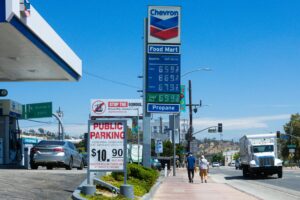

Yes, drivers can and have recovered fuel price losses through class action settlements, and several active cases right now offer real money back to vehicle owners. A $50 million settlement against trading firms Vitol Inc. and SK Energy Americas Inc. already began disbursing payments in April 2025 to California drivers who were overcharged at the pump due to gas price manipulation.
Meanwhile, a separate GM fuel pump defect settlement with a deadline of May 6, 2026, is still accepting claims from owners of certain Chevy Silverado and GMC Sierra trucks. These cases reflect a broader pattern where courts have held fuel companies and automakers accountable for practices that cost drivers money, whether through price-fixing schemes, defective fuel system components, or misleading fuel economy ratings. Porsche, for instance, is paying up to $1,109 per vehicle to owners after admitting it skewed emissions and fuel economy data on more than 500,000 cars. 53 per gallon amid geopolitical turmoil.
Table of Contents
- How Have Drivers Recovered Fuel Price Losses Through Class Action Lawsuits?
- Who Qualifies for California’s $50 Million Gas Price-Fixing Settlement?
- The GM Duramax Diesel Fuel Pump Settlement Still Has an Open Deadline
- How Fuel Economy Fraud Settlements Compare to Price-Fixing Cases
- Why Rising Gas Prices in 2026 Could Trigger New Legal Action
- What Drivers Should Do Right Now to Protect Their Claims
- The Future of Fuel-Related Class Actions
- Frequently Asked Questions
How Have Drivers Recovered Fuel Price Losses Through Class Action Lawsuits?
The most direct path drivers have taken to recover fuel price losses is through antitrust class action suits targeting price manipulation. In California, an investigation led by Attorney General Rob Bonta revealed that Vitol Inc., SK Energy Americas Inc., and SK’s parent company colluded to manipulate spot market gasoline prices. The resulting $50 million settlement directed $37.5 million to affected consumers who purchased gas in ten Southern California counties, including Los Angeles, San Diego, Orange, Riverside, San Bernardino, Kern, Ventura, Santa Barbara, San Luis Obispo, and Imperial, between February 20 and November 10, 2015. As of April 29, 2025, those payments started reaching drivers who filed claims before the January 8, 2025 deadline. Fuel system defect cases represent another avenue. GM agreed to a settlement valued between $35 million and $50 million for owners of 2011 through 2016 Chevy Silverado and GMC Sierra trucks equipped with 6.6L Duramax diesel engines.
The defective Bosch CP4 high-pressure fuel injection pumps in these vehicles caused catastrophic engine failures, leaving owners with repair bills that often ran into the thousands. The settlement covers 50 percent of CP4 repair and replacement costs through a Partial Repair Reimbursement Program at GM-authorized dealerships. A third category involves automakers misrepresenting fuel economy. Porsche reached a settlement resolving claims that it skewed emissions and fuel economy data, meaning drivers were paying more at the pump than Porsche’s advertised MPG figures suggested. Eligible owners of more than 500,000 affected vehicles can collect cash payments of up to $1,109 each. Toyota also has an active settlement at www.toyotafuelpumpssettlement.com addressing defective fuel pumps in certain models. The common thread across all of these cases is that drivers were paying more than they should have, either through rigged prices, faulty parts, or dishonest marketing.

Who Qualifies for California’s $50 Million Gas Price-Fixing Settlement?
The California gas price-fixing settlement targeted a specific group of drivers, and it is worth understanding the eligibility criteria because similar cases may arise in the future. To qualify, drivers needed to have purchased gasoline in one of ten Southern California counties between February 20 and November 10, 2015. The geographic restriction mattered because the price manipulation specifically affected spot market gas prices in the Southern California region, not statewide. However, the claim deadline for this particular settlement passed on January 8, 2025, so drivers who missed the filing window cannot submit new claims. This is a limitation worth emphasizing because many people only learn about settlements after the deadline has lapsed.
If you were eligible and filed on time, payments began disbursing as of April 29, 2025. The $37.5 million consumer fund was divided among all approved claimants, meaning individual payouts depend on how many drivers filed. In past fuel-related settlements of this size, individual payments have ranged from modest checks of $20 to $50 for light drivers up to several hundred dollars for those who could document heavy fuel purchases during the affected period. For drivers who did not qualify for this settlement or missed the deadline, the case still sets an important precedent. State attorneys general have shown willingness to pursue fuel price manipulation, and the California Attorney General’s office specifically urged drivers to watch for similar actions. If you purchased fuel in other states during periods of suspicious price spikes, it is worth monitoring whether your state AG has opened investigations, as these cases often take years to develop before settlements are announced.
The GM Duramax Diesel Fuel Pump Settlement Still Has an Open Deadline
Unlike the California gas price-fixing case, the GM CP4 fuel pump defect settlement still has time on the clock. Owners of 2011 through 2016 Chevy Silverado and GMC Sierra trucks with the 6.6L Duramax diesel engine and defective Bosch CP4 high-pressure fuel injection pumps can file claims through May 6, 2026, or until their vehicle reaches 200,000 miles, whichever comes first. This is one of the few fuel-related settlements with an active window as of March 2026. The settlement’s Partial Repair Reimbursement Program covers 50 percent of the cost to repair or replace the CP4 pump at a GM-authorized dealership. There is a critical detail here that owners should not overlook: reimbursement requests must be submitted within 60 days of the repair being completed.
If you get the work done but wait three months to file paperwork, you forfeit your claim. The official settlement website at www.GMFuelPumpLitigation.com has the forms and instructions for submitting claims. To put the financial impact in perspective, CP4 fuel pump failures in Duramax diesel engines have been documented to cause metal shavings to contaminate the entire fuel system, sometimes resulting in repair bills exceeding $8,000 to $10,000. A 50 percent reimbursement on a repair of that magnitude represents $4,000 to $5,000 back in the owner’s pocket. The settlement only applies to vehicles purchased from a GM dealer in California, Florida, Illinois, Iowa, New York, Pennsylvania, or Texas between March 1, 2010 and September 13, 2024, so owners who bought from private sellers or in other states may not be eligible under this particular agreement.
How Fuel Economy Fraud Settlements Compare to Price-Fixing Cases
Fuel economy fraud settlements and price-fixing cases both put money back in drivers’ pockets, but they work differently and typically yield different amounts. In the Porsche fuel economy and emissions settlement, eligible owners can collect up to $1,109 per vehicle. This figure is calculated based on the estimated extra fuel costs drivers incurred because Porsche overstated the fuel efficiency of more than 500,000 vehicles. The payout is relatively straightforward: if you owned an affected Porsche, you get a set amount regardless of how much you actually drove. Price-fixing settlements like the California gas case tend to distribute funds from a fixed pool, meaning individual payouts shrink as more claimants file.
The $37.5 million consumer portion of the California settlement sounds large, but divided among potentially hundreds of thousands of drivers across ten counties over a nine-month period, the per-person amount could be relatively modest. The tradeoff is that price-fixing cases can cover a much broader class of affected consumers. Nearly anyone who filled up their tank in Southern California during that window was eligible, while fuel economy fraud cases are limited to owners of specific vehicle models. For drivers weighing whether it is worth the effort to file a claim, the answer is almost always yes. The filing process for most settlements takes 10 to 20 minutes online, and even a $50 check represents money you were wrongly charged. The Toyota fuel pump settlement at www.toyotafuelpumpssettlement.com is another active example where the claims process is handled entirely online and the costs of participating are effectively zero.
Why Rising Gas Prices in 2026 Could Trigger New Legal Action
Gas prices are climbing fast in March 2026, and history suggests that sharp, sustained increases often lead to investigations and eventual legal action. The national average jumped from $3.21 per gallon on March 5 to $3.53 per gallon by March 12, a 10 percent increase in a single week. California drivers are feeling the worst of it at $5.34 per gallon, while Kansas sits at the low end at $3.01. With WTI crude oil spiking to $119 per barrel following Iran’s closure of the Strait of Hormuz, analysts are placing 64 percent odds that gas hits $4.50 nationally by the end of March. Not every price spike leads to a lawsuit, and that distinction matters. The California price-fixing case succeeded because investigators could prove that trading firms actively colluded to manipulate spot market prices, not simply that prices were high.
When prices rise due to genuine supply disruptions like the Strait of Hormuz closure, there is no one to sue over the geopolitical event itself. However, past crises have shown that some companies exploit supply shocks to raise prices beyond what market conditions justify, a practice sometimes called price gouging. Several states have price-gouging statutes that kick in during declared emergencies, and state attorneys general have historically opened investigations when price increases at the pump outpace increases in crude oil costs. Drivers should be cautious about any service claiming it can immediately recover money from the current price spike. Legitimate class action investigations take months or years to develop. The California gas settlement covered conduct from 2015, and the case did not resolve until nearly a decade later. If manipulation is occurring during the current crisis, the legal process will follow a similar timeline.

What Drivers Should Do Right Now to Protect Their Claims
Keeping records is the single most important step drivers can take. Save fuel receipts, credit card statements, and any documentation showing where and when you purchased gas or diesel. In the California settlement, claimants who could show purchase records for the affected counties and dates had a smoother claims process. Digital tools like gas price tracking apps and credit card transaction histories make this easier than it used to be, but paper receipts from gas stations remain valid evidence.
For GM truck owners specifically, if your CP4 fuel pump has not yet failed but your vehicle is within the eligible model years, do not wait for a breakdown to engage with the settlement. Visit www.GMFuelPumpLitigation.com to understand your options before the May 6, 2026 deadline. If the pump does fail, take the vehicle to a GM-authorized dealership rather than an independent mechanic, as the 50 percent reimbursement only applies to repairs performed at authorized facilities. And remember the 60-day submission window after repair completion.
The Future of Fuel-Related Class Actions
The legal landscape for fuel-related class actions is expanding, not contracting. As fuel systems in modern vehicles grow more complex and the regulatory environment around emissions tightens, the opportunities for both defect litigation and fraud claims are increasing. The Porsche emissions data case is a template that could apply to other automakers if similar discrepancies between advertised and actual fuel economy are uncovered.
On the pricing side, the current geopolitical volatility is creating conditions where price manipulation becomes both more tempting for bad actors and harder to detect amid legitimate market swings. State attorneys general offices across the country have signaled increased scrutiny of fuel pricing during the 2026 crisis. Drivers who stay informed, keep their records, and monitor official settlement websites are best positioned to recover losses when these cases eventually resolve. The money may not arrive quickly, but as the California gas settlement demonstrated, it does arrive.
Frequently Asked Questions
Is the California gas price-fixing settlement still accepting claims?
No. The claim deadline was January 8, 2025, and it has passed. However, payments began disbursing to approved claimants as of April 29, 2025. If you filed before the deadline, you should receive payment automatically.
How much can GM truck owners get from the CP4 fuel pump settlement?
The settlement covers 50 percent of repair or replacement costs for the defective Bosch CP4 high-pressure fuel injection pump at GM-authorized dealerships. Given that full repairs can cost $8,000 to $10,000, reimbursements could reach $4,000 to $5,000. The deadline is May 6, 2026 or 200,000 miles on the vehicle, whichever comes first.
Can I sue over high gas prices caused by the Strait of Hormuz closure?
Not for the geopolitical event itself. Price increases caused by genuine supply disruptions are not grounds for a lawsuit. However, if companies exploit the crisis to inflate prices beyond what supply conditions justify, that could constitute price gouging, which is illegal in many states. Report suspected gouging to your state attorney general.
Which states are eligible for the GM fuel pump settlement?
Only vehicles purchased from a GM dealer in California, Florida, Illinois, Iowa, New York, Pennsylvania, or Texas between March 1, 2010 and September 13, 2024 are eligible.
How do I know if a settlement I see advertised online is legitimate?
Always verify through official settlement websites or your state attorney general’s office. Legitimate settlements never charge fees to file a claim. Be wary of any service asking for payment to help you claim settlement money.
What is the Porsche fuel economy settlement payout?
Eligible owners of affected Porsche vehicles can receive cash payments of up to $1,109 per vehicle. The settlement covers more than 500,000 vehicles where Porsche skewed emissions and fuel economy data.
You Might Also Like
- Could Trump Face Lawsuits For Fuel Price Increase
- Could Trump Face Claims For Fuel Price Spike
- Could Fuel Price Victims Go To Court