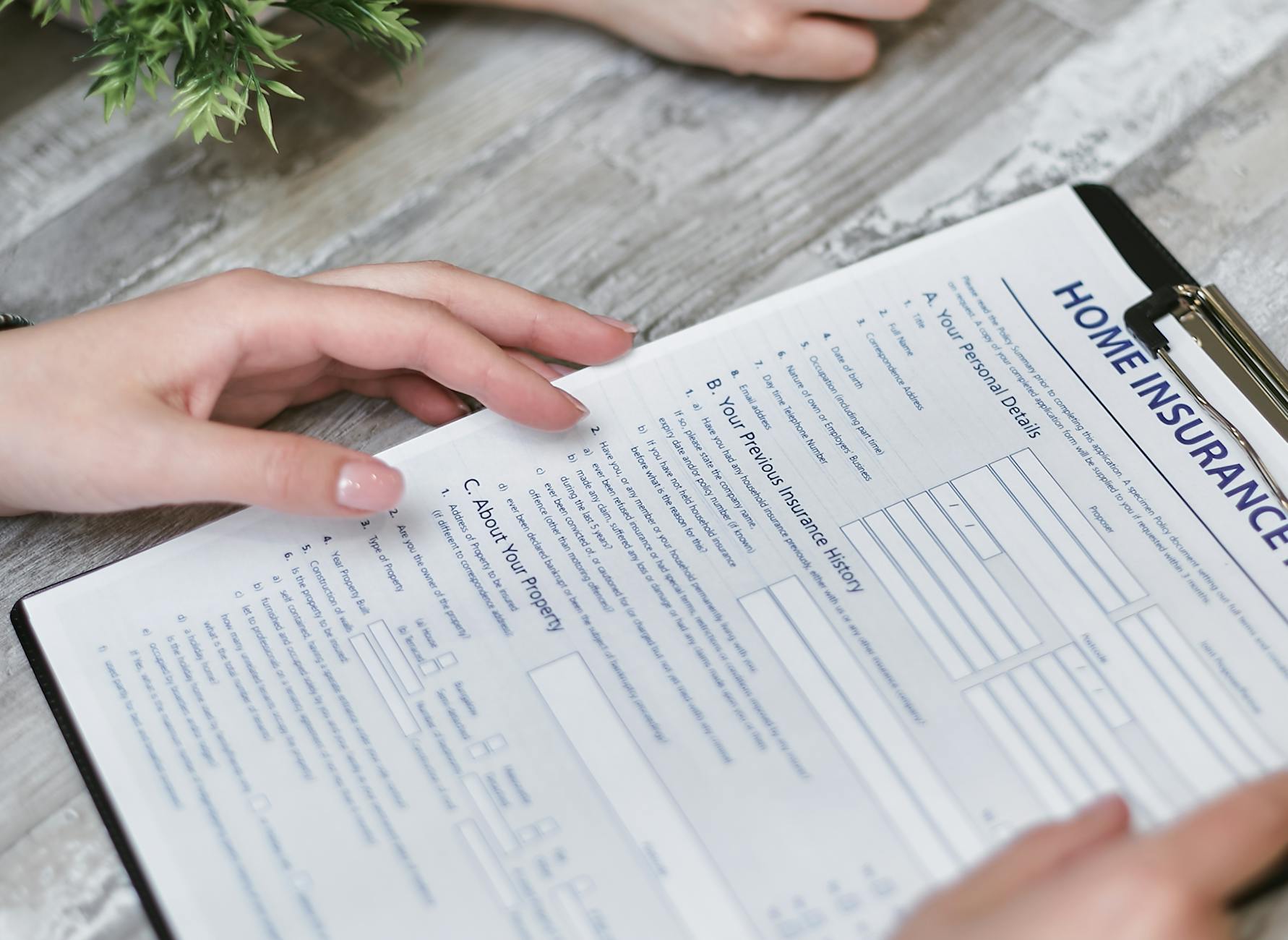
To verify an official Wells Fargo settlement website, check whether the URL matches one of the confirmed, court-authorized domains tied to active litigation. The legitimate settlement sites currently active include wfsettlement.com for the fake accounts case, wellsfargocovidforbearancelitigation.com for the COVID forbearance lawsuit, freetrialrecurringbillingsettlement.com for the subscription billing settlement, and wellsfargosecuritiesclassaction.com for the diversity hiring practices shareholder class action. Any site asking you to pay a fee, enter your bank login credentials, or provide sensitive personal information unprompted is almost certainly a scam.
Wells Fargo has been at the center of some of the largest consumer protection settlements in recent history, including a record $3.7 billion order from the Consumer Financial Protection Bureau in 2022. That sheer volume of legal activity has created fertile ground for scammers who build convincing fake settlement websites designed to steal personal information or money. This article walks through each major active settlement, explains exactly how to distinguish legitimate claim sites from fraudulent ones, and outlines what to do if you suspect you have been targeted by a scam.
Table of Contents
- How Do You Verify a Wells Fargo Settlement Website Is Legitimate?
- What Are the Major Active Wells Fargo Settlements Right Now?
- The Fake Accounts Scandal Settlement and How to File
- How to Spot a Fake Wells Fargo Settlement Website or Scam Email
- Beware of Misleading Claims About Wells Fargo Settlement Payouts
- What to Do If You Think You Have Been Targeted by a Settlement Scam
- Upcoming Deadlines and What to Watch For
- Frequently Asked Questions
How Do You Verify a Wells Fargo Settlement Website Is Legitimate?
The most reliable way to confirm a settlement website is legitimate is to trace it back to the court case itself. Every class action settlement that receives preliminary or final approval from a federal or state court will have an associated case number and settlement administrator. The official websites listed in court documents are the only authorized portals for filing claims or receiving information about payouts. For example, the fake accounts settlement at wfsettlement.com was established as part of a $142 million resolution covering anyone who had an unauthorized account opened between May 1, 2002 and April 20, 2017. That URL appears in the court’s order and in correspondence from the settlement administrator — not just in a random email or social media post. A legitimate settlement website will never ask you to pay money upfront to file a claim.
It will not request your online banking username or password. Real settlement sites collect only the information needed to verify your identity and process your payment, such as your name, address, and the last four digits of an account number. If a site asks for your full Social Security number on the landing page or demands a “processing fee,” close it immediately. Compare this to wfsettlement.com, which allows claimants to file online or by mail without any charges whatsoever. You can also cross-reference settlement information through the CFPB’s public enforcement database or PACER, the federal court records system. If a settlement is real, there will be docket entries, judicial orders, and publicly available documents confirming the terms. If you search for a settlement and the only results are blog posts with no links to court records or official administrator sites, treat that as a serious red flag.

What Are the Major Active Wells Fargo Settlements Right Now?
Several wells Fargo settlements are currently active or distributing payments, each with its own dedicated website and eligibility requirements. The largest is the CFPB’s $3.7 billion enforcement action from 2022, which covered over 16 million accounts involving illegal fees on auto loans, mortgages, wrongful vehicle repossessions, and surprise overdraft fees. That order included roughly $1.3 billion for auto lending victims, more than $500 million for illegal overdraft fees, and approximately $200 million for mortgage servicing harm. Victims of wrongful vehicle repossession receive a base payment of $4,000 each, with the possibility of more. Notably, no claim form is required for this settlement — refunds are administered directly by the CFPB. The $56.85 million COVID forbearance settlement, accessible at wellsfargocovidforbearancelitigation.com, covers California mortgage borrowers whose accounts were current and received CARES Act forbearance on or after March 27, 2020, and were then reported as “in forbearance” to credit reporting agencies.
This settlement also requires no claim form; eligible borrowers receive automatic payments via check from the settlement administrator A.B. Data, Ltd. The objection deadline is March 25, 2026, with a final approval hearing set for April 17, 2026. However, if you do not live in California or your account was already delinquent before entering forbearance, you would not qualify for the COVID forbearance settlement even if you had a Wells Fargo mortgage during the pandemic. Eligibility requirements are specific to each case, and assuming you qualify based on headlines alone is a common mistake. Always read the full notice on the official settlement website to determine whether your situation matches the class definition.
The Fake Accounts Scandal Settlement and How to File
The Wells Fargo fake accounts scandal remains one of the most notorious cases of corporate fraud in American banking history. The $142 million settlement resolved claims that Wells Fargo employees, under intense pressure to meet sales quotas, opened millions of unauthorized checking accounts, savings accounts, credit cards, and lines of credit in customers’ names without their knowledge or consent. The class period spans May 1, 2002 through April 20, 2017, covering more than a decade of alleged misconduct. To file a claim, visit wfsettlement.com, where you can submit your information online or download a paper form to mail in. The site will ask for basic identifying information to confirm you are a class member.
If Wells Fargo’s records show that an unauthorized account was opened in your name during the class period, you may be entitled to compensation. The settlement administrator handles all verification, so you do not need to have retained old bank statements or account numbers to participate. One specific example worth noting: if you noticed unexplained credit inquiries on your credit report between 2002 and 2017 and later discovered they were tied to Wells Fargo accounts you never opened, you are likely a class member. Many affected consumers did not realize they had been victimized until years later, when the scandal became national news. The settlement was designed to cast a wide net precisely because the fraud was so pervasive and many victims were never individually notified at the time.

How to Spot a Fake Wells Fargo Settlement Website or Scam Email
Distinguishing a real settlement notice from a phishing attempt requires paying attention to specific details. Wells Fargo’s own fraud prevention page at wellsfargo.com/privacy-security/fraud/ advises customers to always type “wellsfargo.com” directly into their browser rather than clicking links in unsolicited emails or text messages. Legitimate emails from Wells Fargo come exclusively from the @wellsfargo.com domain. If you receive an email about a settlement from a Gmail, Yahoo, or unfamiliar domain, it is not from Wells Fargo. Scam emails and websites share several telltale characteristics. Generic greetings like “Dear Customer” instead of your actual name, grammatical errors, and urgent language pressuring you to “act now or lose your payment” are classic warning signs.
Legitimate settlement administrators provide clear deadlines but do not use fear tactics. Compare this to the subscription billing settlement at freetrialrecurringbillingsettlement.com, which lists a claim deadline of March 4, 2026 and a final approval hearing of March 26, 2026 — specific dates, plainly stated, with no manufactured urgency. The tradeoff between vigilance and paranoia is worth acknowledging. Not every email about a Wells Fargo settlement is a scam, and real settlement administrators do send notices by mail and sometimes email. The key difference is that legitimate notices direct you to verified websites, reference specific case names and numbers, and never ask for payment or sensitive login credentials. When in doubt, go directly to the settlement website by typing the URL into your browser rather than clicking any link in the message.
Beware of Misleading Claims About Wells Fargo Settlement Payouts
One of the most persistent problems surrounding Wells Fargo settlements is the proliferation of clickbait articles and social media posts claiming that consumers can receive “$5,000 Wells Fargo settlement checks” or similarly inflated amounts. These posts are often misleading or outright fabricated, designed to drive traffic to websites that are not affiliated with any real settlement. Some of these sites harvest personal information under the guise of “checking your eligibility.” The reality is that individual payouts vary dramatically depending on the specific settlement and the harm suffered. In the CFPB’s $3.7 billion enforcement action, wrongful repossession victims receive a base payment of $4,000 each, but that figure applies only to people whose vehicles were actually repossessed — not to every Wells Fargo customer.
The diversity hiring practices settlement at wellsfargosecuritiesclassaction.com, meanwhile, is expected to distribute approximately $59.05 million to the shareholder class after expenses, which works out to roughly $0.056 per eligible share. That is a far cry from the thousands of dollars per person that clickbait headlines suggest. If you encounter a website or article promising a specific dollar amount without citing a court order, case number, or official settlement website, treat it with extreme skepticism. Legitimate settlement notices always reference the underlying litigation and provide verifiable details. Anyone guaranteeing you a specific payout before your claim has been reviewed is either misinformed or attempting to deceive you.

What to Do If You Think You Have Been Targeted by a Settlement Scam
If you believe you have received a fraudulent email, text message, or phone call claiming to be from Wells Fargo or a settlement administratorsettlement administrator[contact via the official settlement website]. Wells Fargo has confirmed that it will never initiate a text, email, or phone call asking for personal or account information out of the blue.
If someone contacts you first and asks you to verify your identity by providing your account number, Social Security number, or password, that is a scam regardless of how professional the caller sounds. You should also report the suspicious communication to the Federal Trade Commission at reportfraud.ftc.gov and forward phishing emails to Wells Fargo’s dedicated fraud reporting channels listed at wellsfargo.com/privacy-security/fraud/report/phish/. Documenting the scam attempt helps authorities track patterns and shut down fraudulent operations before they reach more victims.
Upcoming Deadlines and What to Watch For
Several Wells Fargo settlements have significant deadlines approaching in 2026. The subscription billing settlement at freetrialrecurringbillingsettlement.com had a claim deadline of March 4, 2026, with final approval scheduled for March 26, 2026. The COVID forbearance settlement’s objection deadline is March 25, 2026, and its final approval hearing is set for April 17, 2026.
The diversity hiring practices settlement at wellsfargosecuritiesclassaction.com has final approval scheduled for May 5, 2026, with an estimated payout of approximately $59.05 million to the class after fees and expenses — plus a separate $100 million fund Wells Fargo set aside for mortgage assistance programs benefiting low and moderate-income borrowers. As these cases move toward final resolution, expect continued scam activity. Fraudsters ramp up their efforts around major deadlines because they know consumers are actively searching for settlement information. Bookmark the official settlement websites now, verify any new communications against those sites, and never trust a link in an unsolicited message — no matter how legitimate it appears.
Frequently Asked Questions
Do I need to file a claim for the $3.7 billion CFPB Wells Fargo settlement?
No. The CFPB’s $3.7 billion enforcement action does not require a claim form. Refunds are administered directly to affected consumers. Over 16 million accounts were impacted, covering illegal fees on auto loans, mortgages, wrongful vehicle repossessions, and surprise overdraft fees.
How do I know if a Wells Fargo settlement email is real?
Legitimate emails from Wells Fargo come only from the @wellsfargo.com domain. They will reference a specific case name, never ask for your bank login credentials, and never require payment to file a claim. If in doubt, type the settlement website URL directly into your browser rather than clicking any link.
What should I do if someone contacts me about a Wells Fargo settlement and asks for money?
That is a scam. No legitimate settlement requires upfront payment to file a claim. Hang up or close the message immediately, then call Wells Fargo at 1-866-867-5568 to report the incident. You should also file a report with the FTC at reportfraud.ftc.gov.
Am I eligible for the Wells Fargo COVID forbearance settlement?
You may be eligible if you are a California mortgage borrower whose account was current, received CARES Act forbearance on or after March 27, 2020, and was reported as “in forbearance” to credit agencies. No claim form is needed — eligible borrowers receive automatic payments. Visit wellsfargocovidforbearancelitigation.com for details.
Are the “$5,000 Wells Fargo settlement checks” I see online real?
Most of those claims are misleading or outright false. While wrongful vehicle repossession victims may receive a base payment of $4,000 under the CFPB order, that applies only to a specific subset of affected consumers. Clickbait articles promising large payouts to all Wells Fargo customers are not affiliated with any real settlement.
What is the Wells Fargo subscription billing settlement about?
The $33 million settlement in McNamara v. Wells Fargo covers customers who were enrolled in recurring billing subscriptions through Apex, Triangle, or Tarr entities via deceptive “free trial” offers. The official website is freetrialrecurringbillingsettlement.com, with final approval set for March 26, 2026.
You Might Also Like
- Joint Juice Settlement: How To Verify The Official Settlement Website
- Google Settlement: How To Verify The Official Settlement Website
- Dollar General Settlement: How To Verify The Official Settlement Website