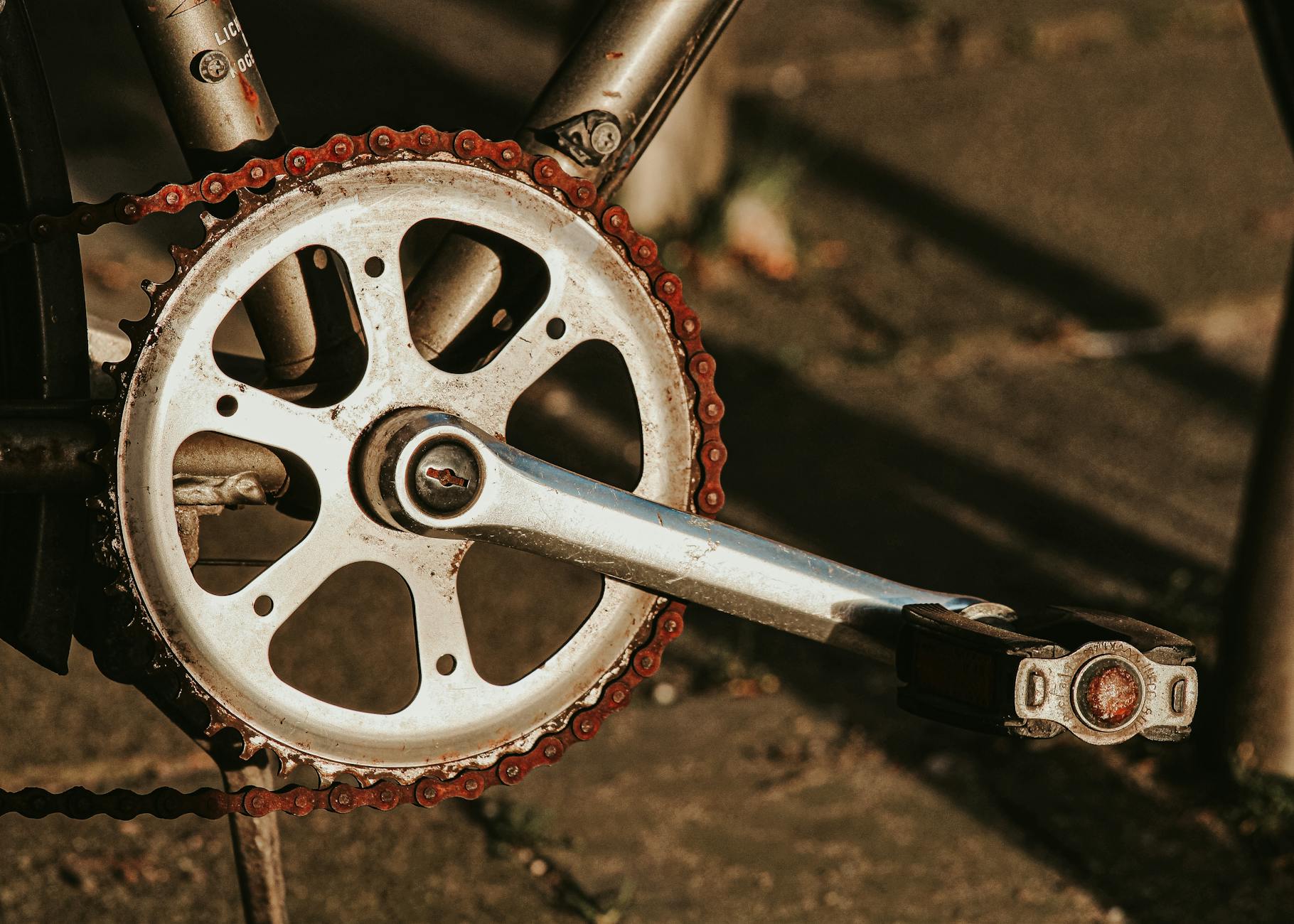
If you owned or purchased a bicycle equipped with certain Shimano Hollowtech II cranksets manufactured before July 2019, you may be eligible to file a claim for reimbursement of out-of-pocket replacement costs through the Shimano Defective Crankset Class Action Settlement. The claim form is available online at ShimanoCranksetSettlement.com or by mail, and the filing deadline is August 4, 2026. To file, you will need proof of your original retail purchase — a receipt or invoice — along with documentation supporting your reimbursement request. If you no longer have your receipt, you can submit a sworn declaration in lieu of purchase documentation.
The settlement, which received final court approval in early February 2026, resolves claims in *In re Shimano Crankset Litigation* against Shimano North America Bicycle, Inc. and Shimano North America Holding, Inc., as well as bicycle manufacturers Specialized, Trek, and Giant. The case stems from Shimano’s September 2023 voluntary recall of Hollowtech II cranksets due to a crash hazard caused by bonding separation and delamination. For example, a cyclist riding a 2018 Specialized Tarmac equipped with an Ultegra FC-R8000 crankset who experienced crank arm separation mid-ride — and paid out of pocket for a replacement — can now seek reimbursement through this settlement.
Table of Contents
- What Does the Shimano Crankset Class Action Settlement Cover and Who Can File a Claim?
- How to Complete the Shimano Crankset Settlement Claim Form Step by Step
- Which Shimano Crankset Models Qualify for the Settlement
- Reimbursement vs. Extended Warranty — Understanding Your Settlement Benefits
- Common Pitfalls When Filing Your Shimano Crankset Claim
- How Shimano’s Retailer Process Changes Affect Future Crankset Owners
- What Happens After the Filing Deadline and Looking Ahead
- Frequently Asked Questions
What Does the Shimano Crankset Class Action Settlement Cover and Who Can File a Claim?
The settlement covers five specific shimano Hollowtech II crankset models manufactured before July 2019: the Ultegra FC-6800, Ultegra FC-R8000, Dura-Ace FC-9000, Dura-Ace FC-R9100, and Dura-Ace FC-R9100-P. These are high-end cranksets commonly found on road bikes from major manufacturers. The core defect involves bonding separation or delamination of the crank arms, which can cause a sudden loss of pedaling power and lead to crashes. The U.S. Consumer Product Safety Commission issued a formal recall notice in September 2023 after reports of this failure mode. To be eligible, you must have purchased, received, been given, or owned one of these designated cranksets — or a bicycle equipped with one — in the United States.
This means the settlement extends beyond original purchasers. If you bought a used bike at a swap meet or received one as a gift and it came with a qualifying crankset, you are still part of the class. However, the settlement only applies to purchases and ownership within the United States, so a crankset bought through a European retailer and shipped to the U.S. may raise eligibility questions worth discussing with the settlement administrator. The settlement provides two main categories of relief. First, Shimano will automatically extend its Express Warranty on all designated cranksets until July 29, 2027, covering bonding separation and delamination — no action required on your part. Second, class members who already paid out of pocket for replacement cranksets and installation can submit a claim form for reimbursement of those reasonable costs.

How to Complete the Shimano Crankset Settlement Claim Form Step by Step
Filing your claim is straightforward, but getting the details right matters. You can submit your claim form online at ShimanoCranksetSettlement.com or request a paper form and mail it to the Shimano Crankset Litigation Settlement Administrator at PO Box 4150, Portland, OR 97208-4150. The online process is generally faster and allows you to upload documentation digitally. The claim form will ask for your contact information, details about the crankset or bicycle you owned, and the costs you incurred for replacement. You will need to attach proof of your original retail purchase — this could be a sales receipt from your local bike shop, an online order confirmation, or an invoice from the manufacturer.
You will also need documentation supporting the reimbursement amount, such as a receipt from the shop that installed your replacement crankset or an invoice for a new crank arm purchased online. However, if you purchased your bike or crankset years ago and no longer have the receipt — which is common for components bought in 2014 or 2015 — you are not automatically disqualified. The settlement allows you to submit a sworn declaration in lieu of purchase documentation. This declaration is made under penalty of perjury, so it must be truthful and accurate. Keep in mind that a sworn declaration without any supporting documentation may receive greater scrutiny, so it is worth checking your email for old order confirmations, contacting your bike shop to see if they retain purchase records, or checking credit card statements for transaction evidence before resorting to the declaration option.
Which Shimano Crankset Models Qualify for the Settlement
The five qualifying models span two of Shimano’s flagship road cycling groupsets — Ultegra and Dura-Ace — and only units manufactured before July 2019 are included. On the Ultegra side, both the FC-6800 (the 11-speed Ultegra crankset introduced around 2013) and the FC-R8000 (its successor, launched in 2017) are covered. For Dura-Ace, the FC-9000, FC-R9100, and FC-R9100-P (the power meter version) are all eligible. To determine whether your crankset qualifies, check the model number printed on the inside of the crank arm.
The manufacturing date can typically be identified by a date code stamped on the component. For instance, if you own a Trek Émonda SL 6 purchased in 2018 that came stock with an Ultegra FC-R8000 crankset, that component almost certainly falls within the pre-July 2019 manufacturing window. If you have already replaced the crankset and no longer have the original, your original purchase receipt or bike spec sheet from the manufacturer’s website can confirm what crankset shipped with your bike. It is worth noting that lower-tier Shimano groupsets like 105, Tiagra, and Sora are not part of this settlement, even though they also use bonded construction methods in some models. The recall and subsequent litigation focused specifically on the Hollowtech II models listed above, so owners of those other cranksets do not have a claim here regardless of any issues they may have experienced.

Reimbursement vs. Extended Warranty — Understanding Your Settlement Benefits
The settlement offers two distinct benefits, and understanding the difference will help you determine what action, if any, you need to take. The extended warranty is passive — Shimano will automatically honor warranty claims for bonding separation and delamination on all designated cranksets through July 29, 2027. If your crankset has not yet failed, this means you have coverage going forward without filing any paperwork. You can simply bring your bike to a Shimano-authorized retailer if a problem develops. The reimbursement benefit, by contrast, requires you to actively file a claim.
This is designed for cyclists who already dealt with the problem on their own dime — for example, someone who noticed cracking at the bond line of their Dura-Ace FC-R9100 in early 2023 and paid $350 for a new crankset plus $50 for shop labor before the recall was even announced. That cyclist can now seek reimbursement for those reasonable out-of-pocket costs by filing a claim before the August 4, 2026 deadline. The tradeoff is clear: if your crankset is still functioning, the extended warranty is your safety net, and there is nothing to file. If you already paid for a fix, the claim form is your path to getting money back. One limitation to be aware of is that the settlement specifies reimbursement for “reasonable” costs. If you upgraded from a standard Ultegra crankset to a top-of-the-line Dura-Ace power meter crankset and are seeking reimbursement for the full cost difference, the settlement may only cover the cost of a like-for-like replacement rather than the upgrade.
Common Pitfalls When Filing Your Shimano Crankset Claim
The most frequent issue claimants face with settlements like this one is insufficient documentation. Simply stating that you owned a qualifying crankset is not enough — you need to substantiate both the original purchase and the replacement cost. Cyclists who bought their bikes from big-box retailers or through online marketplaces sometimes have difficulty locating records, especially for purchases made five or more years ago. Before filing, check your email archives for order confirmations, log into retailer accounts that may store purchase history, and review bank or credit card statements from the relevant time period. Another common mistake is missing the deadline. The claims filing deadline of August 4, 2026 is firm, and late submissions are typically rejected regardless of the merits.
Set a reminder now rather than assuming you will get to it later. Mail-in claims should be postmarked well before the deadline to avoid any delivery-related complications. Finally, be cautious about third-party claims filing services that charge a fee to submit your claim for you. The process at ShimanoCranksetSettlement.com is free and designed to be completed by individual claimants without professional assistance. Paying someone to file a simple reimbursement claim will only reduce whatever amount you recover. If you have questions about your eligibility or the process, contact the settlement administratorsettlement administrator[contact via the official settlement website] rather than paying a middleman.

How Shimano’s Retailer Process Changes Affect Future Crankset Owners
As part of the settlement, Shimano agreed to provide retailers with additional tools and training to overhaul its crankset recall process. This is a forward-looking component that does not directly put money in anyone’s pocket but addresses one of the frustrations that fueled the litigation in the first place — the difficulty many cyclists experienced when trying to get their recalled cranksets replaced through authorized dealers.
For example, some riders reported being told by their local bike shop that replacement cranksets were backordered for months, or that the shop was unsure how to process the recall claim with Shimano. The settlement’s retailer improvement provisions aim to reduce these friction points going forward. If you still have a qualifying crankset that has not failed, the combination of the extended warranty through July 2027 and improved retailer processes should make the recall experience considerably smoother than what early claimants dealt with.
What Happens After the Filing Deadline and Looking Ahead
Once the August 4, 2026 claims deadline passes, the settlement administrator will review all submitted claims, verify documentation, and process reimbursements. The timeline for receiving payment after filing varies, but claimants should generally expect several months between submission and receiving a check or payment, as administrators need time to process what could be a large volume of claims.
Looking ahead, the extended warranty coverage through July 29, 2027 remains the most broadly relevant benefit for current owners of these cranksets. Shimano has since updated its manufacturing processes for newer crankset models, but the settlement serves as an important reminder to register high-value bicycle components and retain purchase documentation. If you are buying a used road bike with a crankset from this era, it is worth checking the model and manufacture date — you may still be covered under the extended warranty if a bonding issue surfaces before mid-2027.
Frequently Asked Questions
Do I need to file a claim form to get the extended warranty benefit?
No. Shimano will automatically extend the Express Warranty on all designated cranksets until July 29, 2027 for bonding separation and delamination issues. No claim form or action is required for this benefit.
What if I lost my original purchase receipt for the bike or crankset?
You can submit a sworn declaration under penalty of perjury in place of purchase documentation. However, try to find supporting evidence first — email order confirmations, credit card statements, or retailer purchase history records can help substantiate your claim.
I bought my bike used. Am I still eligible?
Yes. The settlement class includes anyone who purchased, received, was given, or owned a qualifying crankset or bicycle equipped with one in the United States. You do not need to be the original purchaser.
What is the deadline to file a reimbursement claim?
The claims filing deadline is August 4, 2026. Claims can be submitted online at ShimanoCranksetSettlement.com or by mail to the settlement administrator at PO Box 4150, Portland, OR 97208-4150.
My crankset has not failed yet. Should I file a claim?
The reimbursement claim is only for those who already incurred out-of-pocket costs for replacement. If your crankset is still functioning, you are covered by the extended warranty through July 29, 2027. Monitor your crank arms for signs of cracking or delamination at the bond line during routine maintenance.
Does this settlement cover Shimano 105 or other lower-tier cranksets?
No. Only five specific models are covered: Ultegra FC-6800, Ultegra FC-R8000, Dura-Ace FC-9000, Dura-Ace FC-R9100, and Dura-Ace FC-R9100-P, all manufactured before July 2019.
You Might Also Like
- Hyundai And Kia Defective Airbag Control Units Class Action Settlement: Claim Form Details
- Western Electrical Contractors Association Data Incident Class Action Settlement: Claim Form Details
- DoorDash Unpaid Tips Class Action Settlement: Claim Form Details